LIBERTY SQUARE
(Cent. 20th)
Between the 1700s and the 1800s, a revolutionary idea began to spread through the cities of Italy: green spaces should not only be a privilege of the aristocracy but an equal right for every citizen who worked hard to contribute to the community. Town parks thus came into existence as accessible places of beauty and a symbol of progress and civilization. Townspeople could walk among the trees and flowers with new-found dignity and relaxation. Grumo also adhered to this idea and in the second half of the 1800s the “Villa Comunale” was built on the outskirts of the town following a rectangular Italian design. It was intended as a place to relax, to have a walk, or to sit under the shade of the trees on a hot summer day. However, during the Second World War, the park was abandoned in the climate of mistrust and impermanence, as if time had been suspended. Then in 1948, through the strength of will of the townspeople and its administrators, the town gradually came back to life.
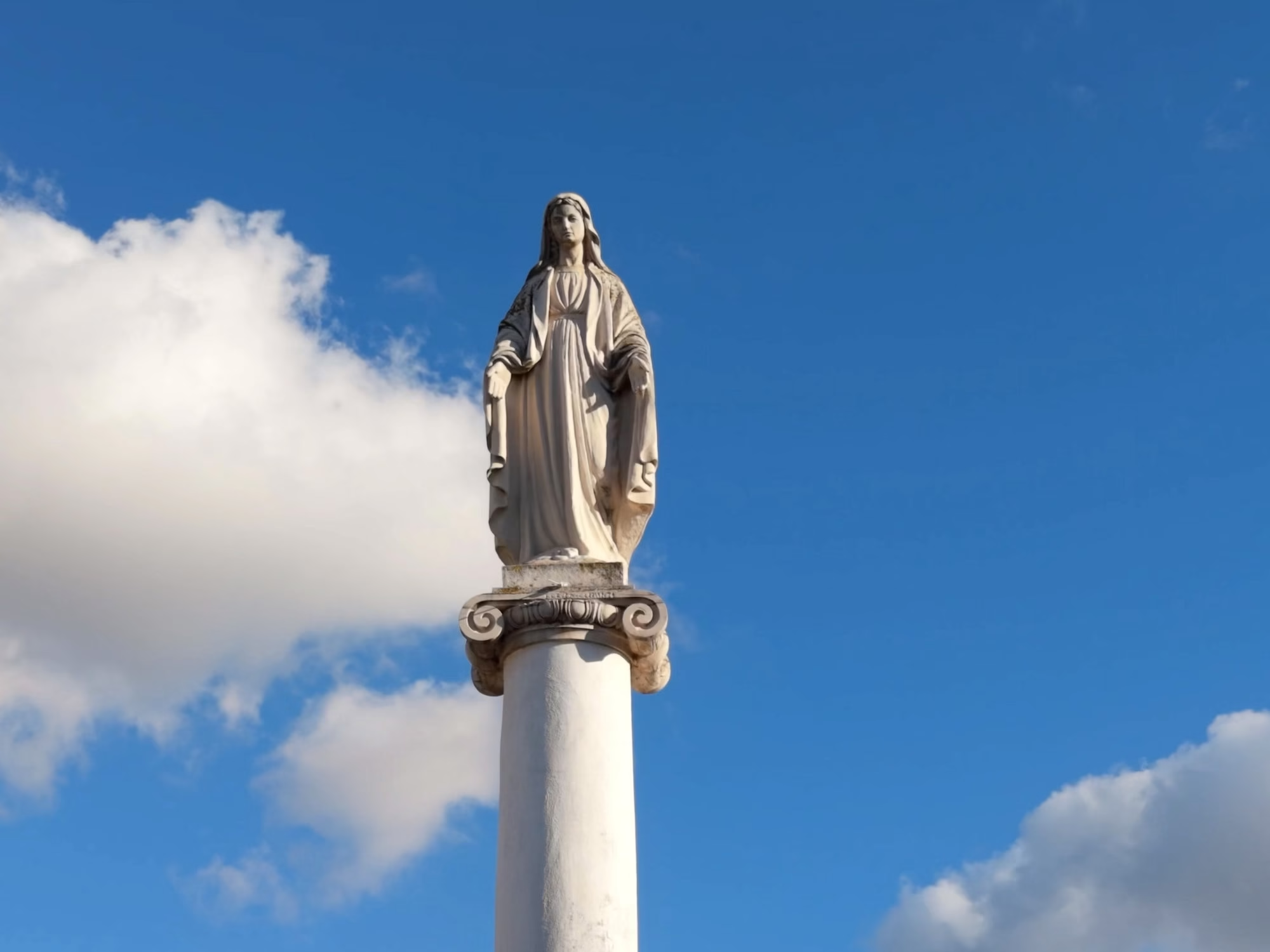
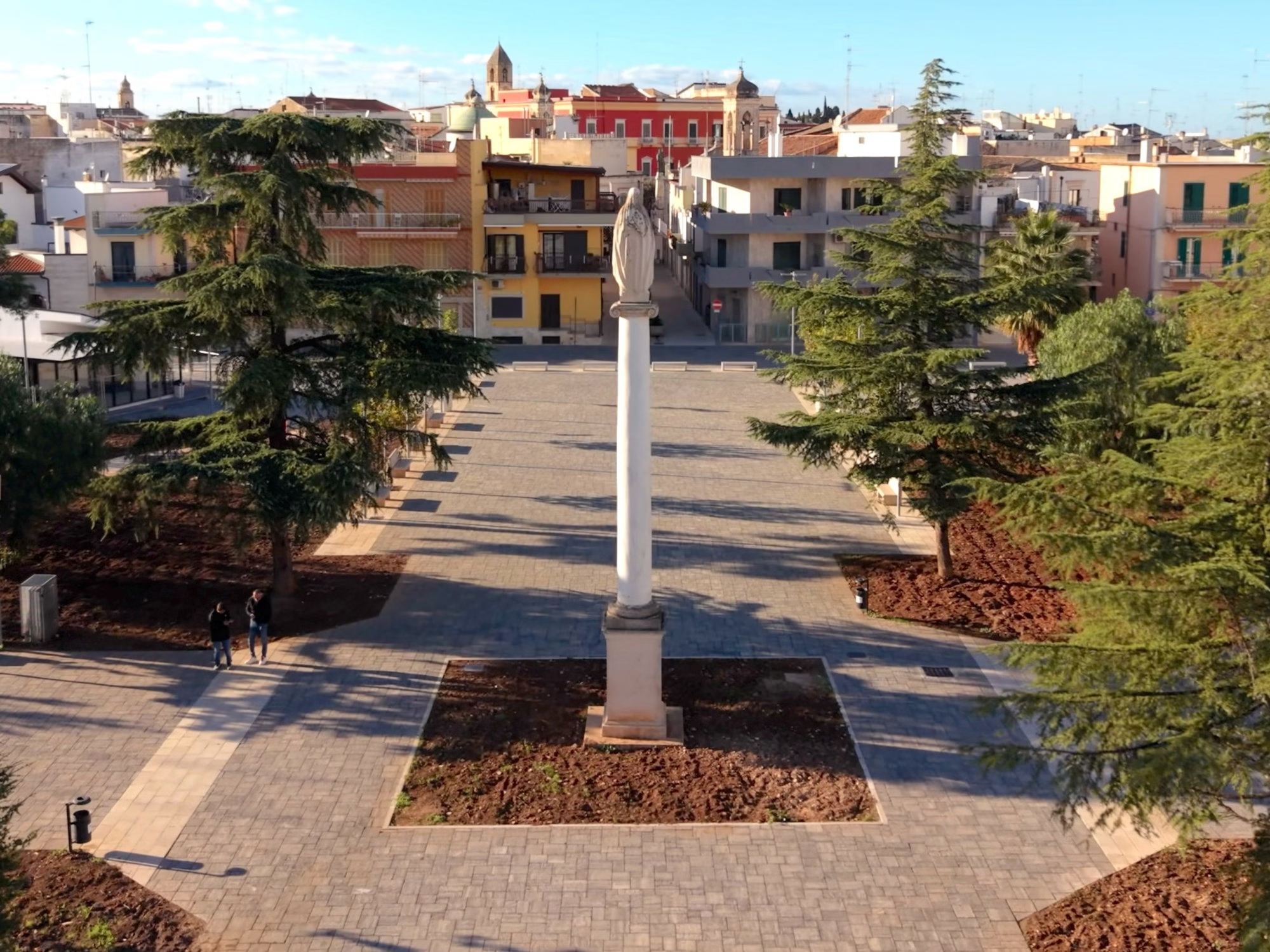
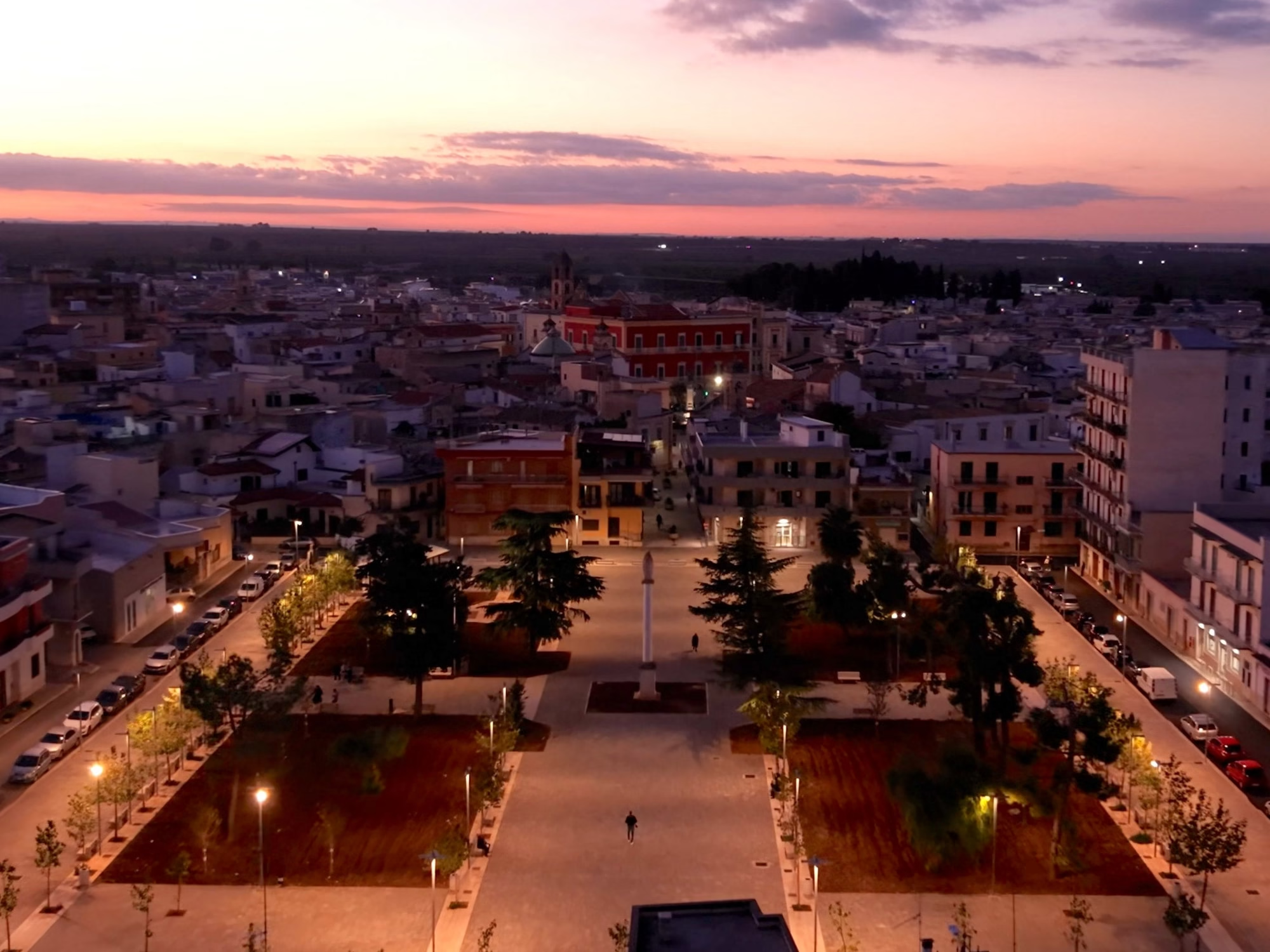
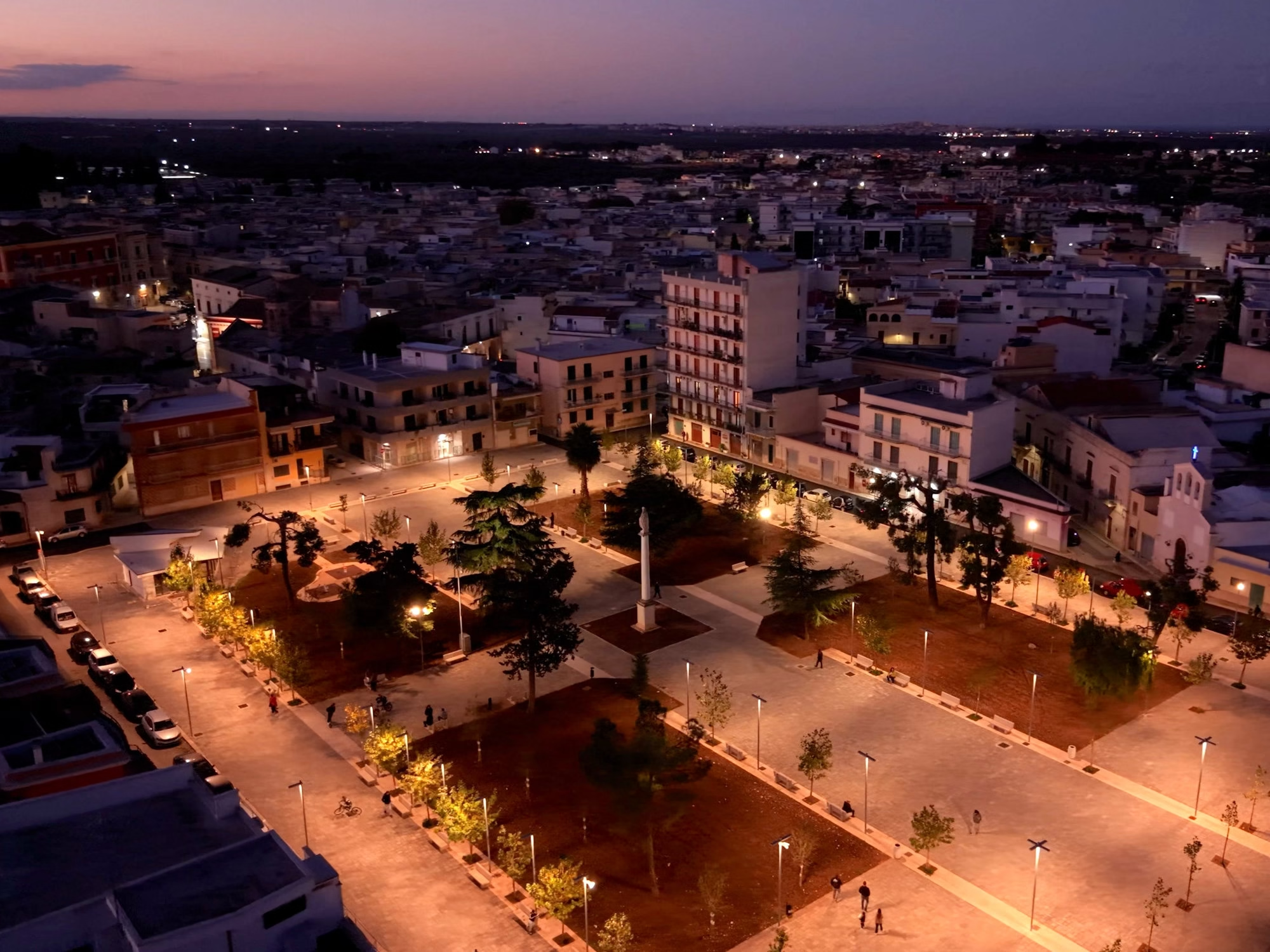
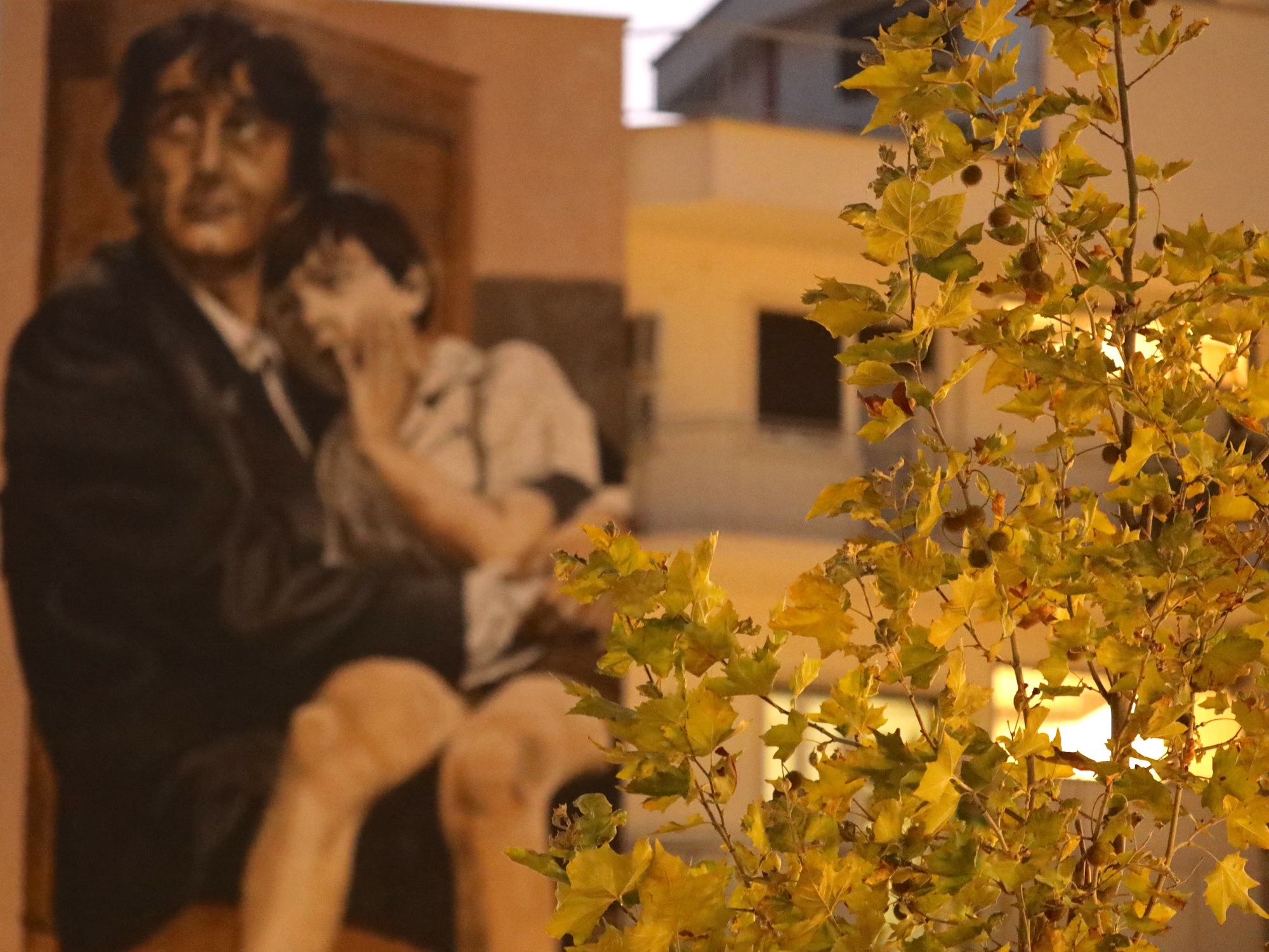
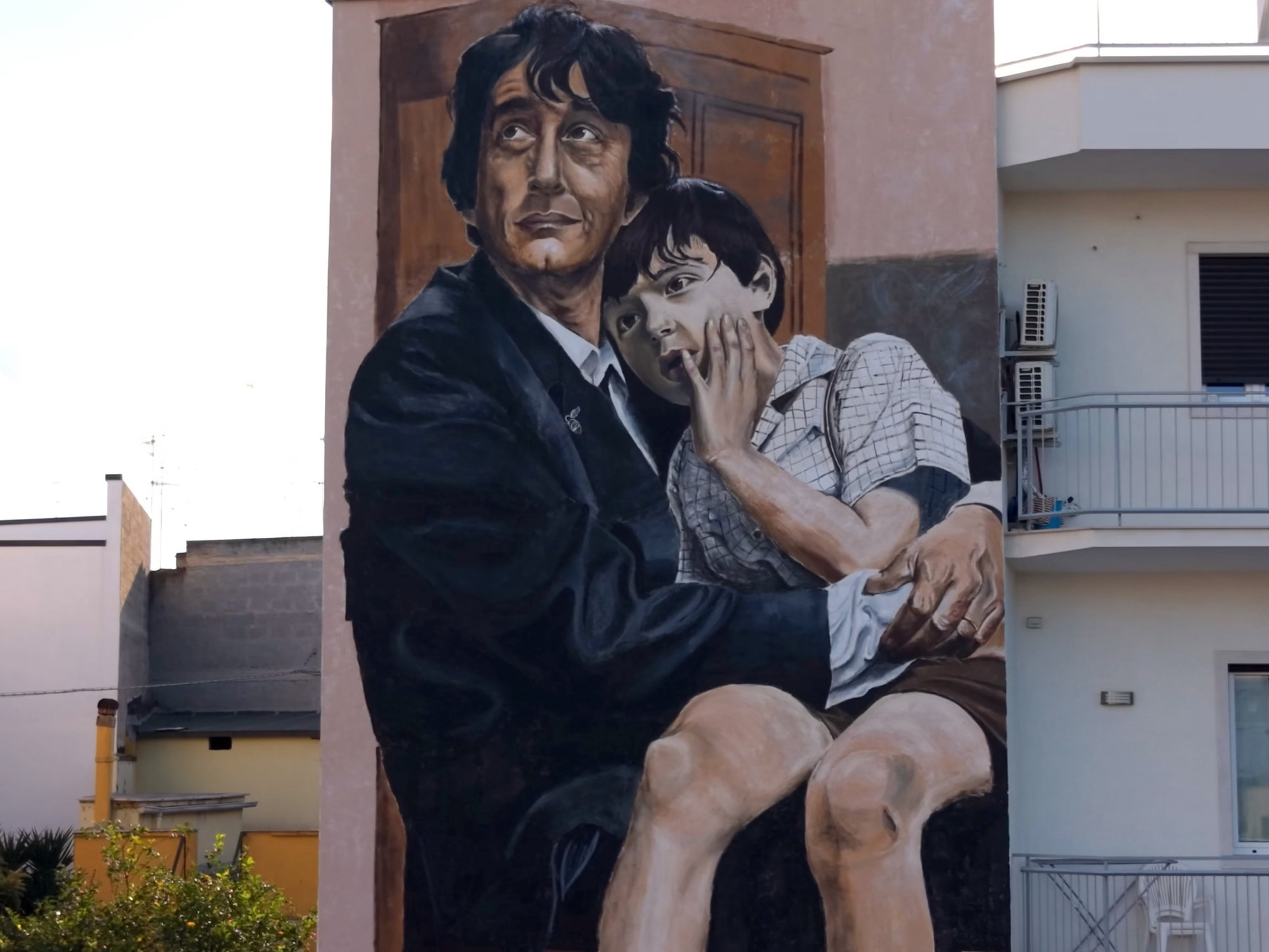
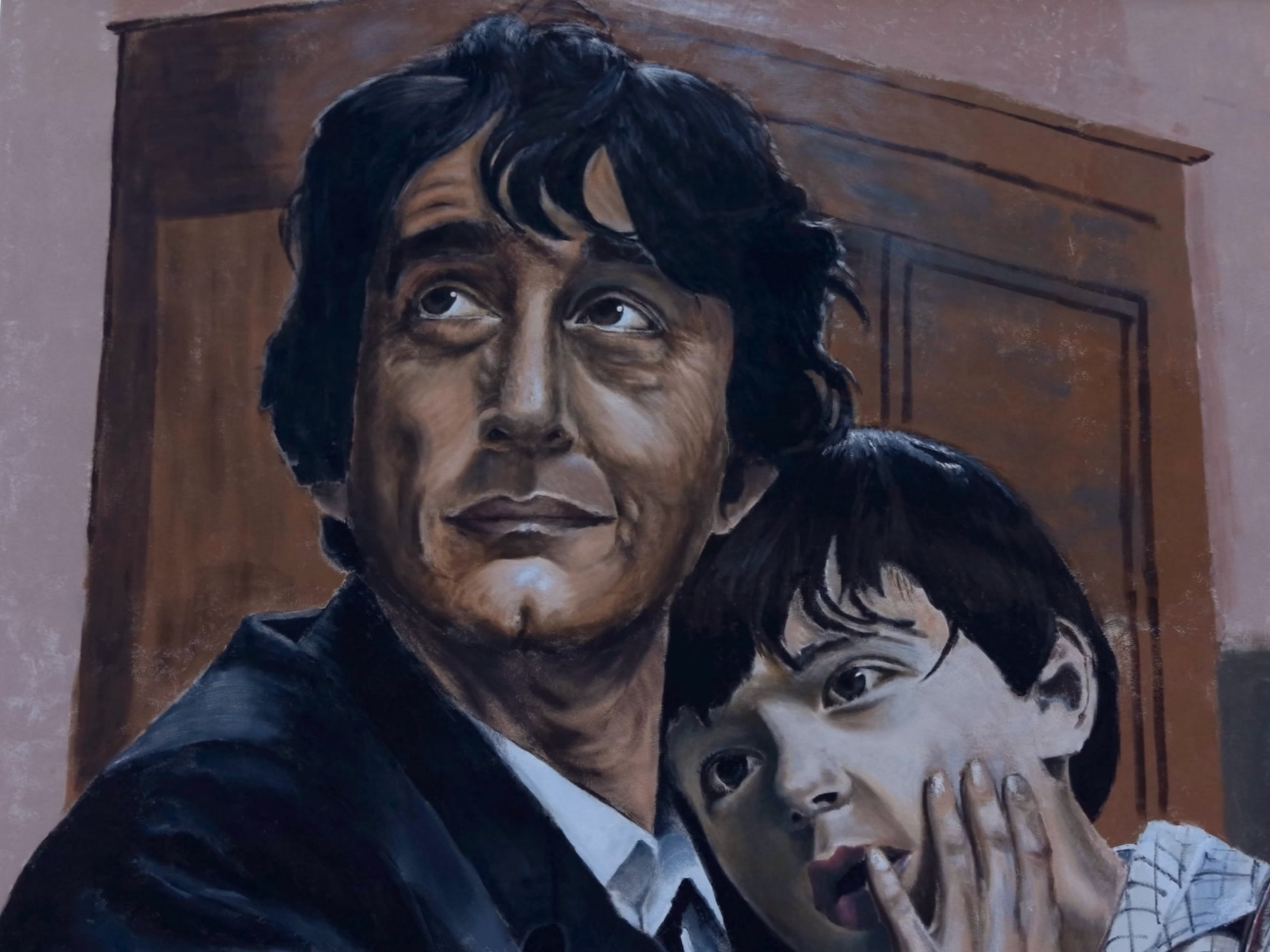
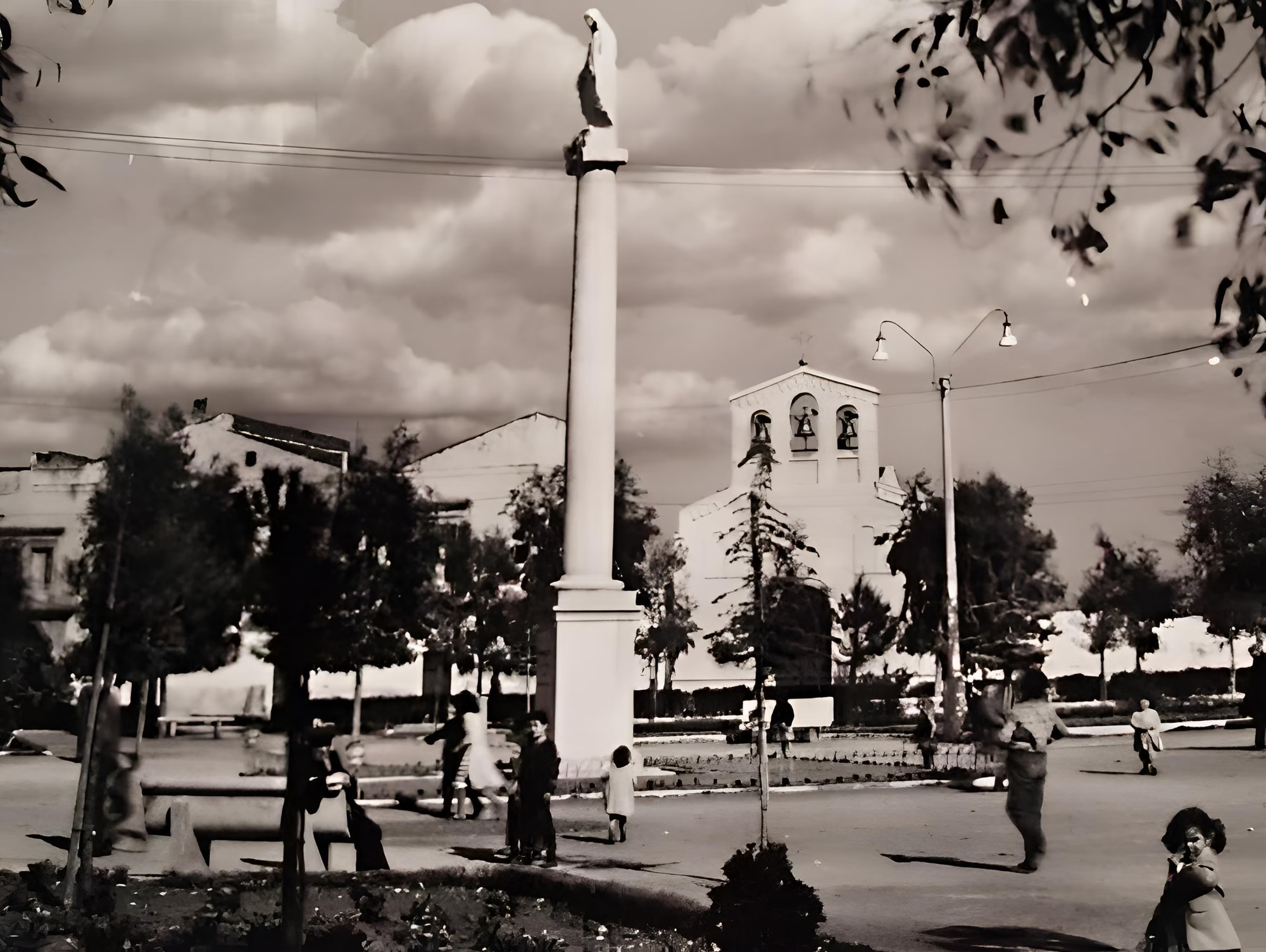
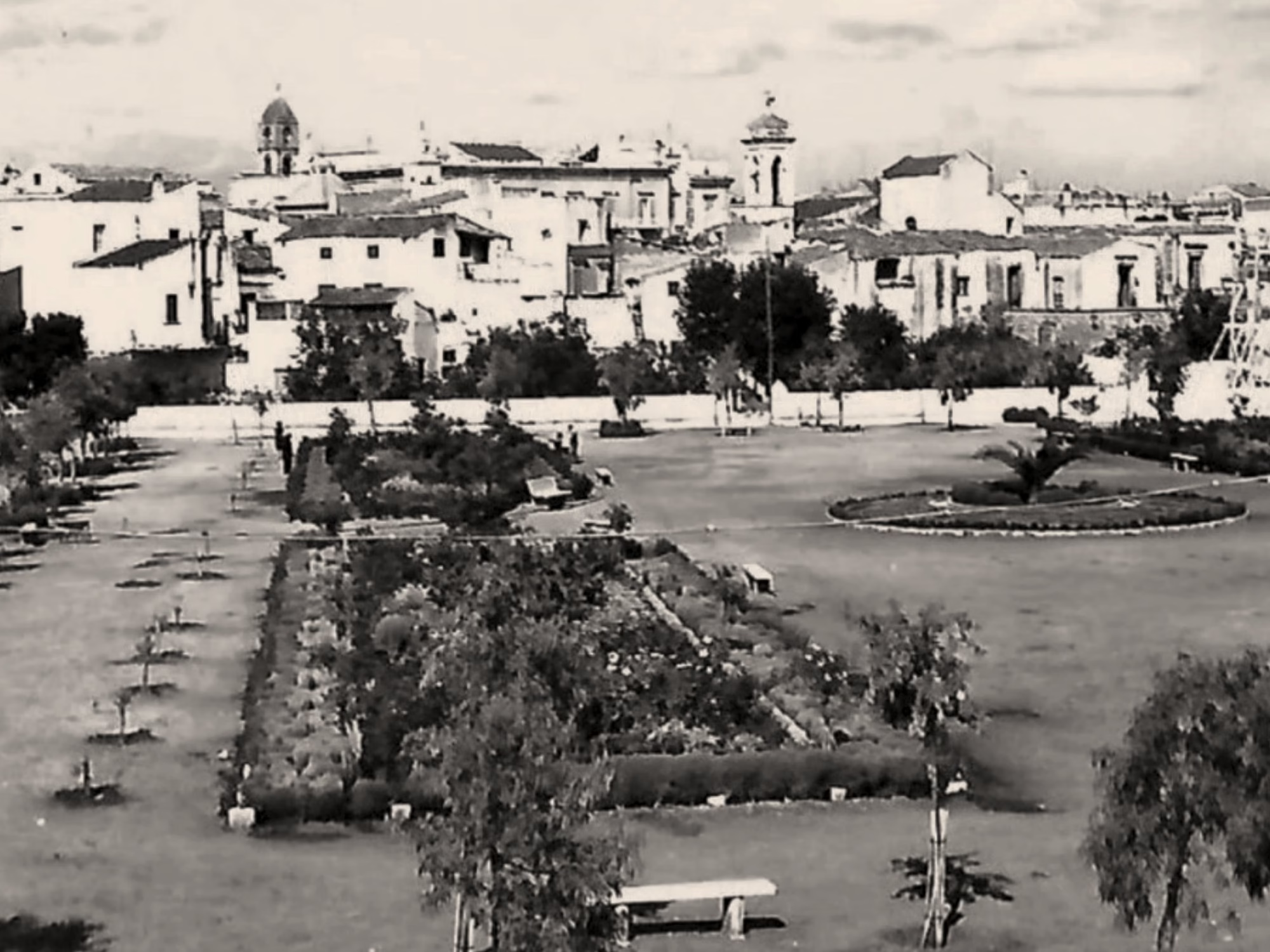
New roads, houses, squares and churches were built, as well as water and sewage networks. This fervour also brought back to life the town park, which was improved with trees, flowerbeds, benches, lights and a statue dedicated to Mary Immaculate, unveiled on 22nd May 1955 as a sign of faith and protection. The park once more became the heart of the town, memory of the past and promise of the future. Recently, flagstone paths have been built in the park and the old fencing has been removed, opening the park onto the town, thus transforming it into a space which connects places and people, ready to welcome and unite. It is no longer a closed space but a vital meeting point. A large mural painted on a façade overlooking the square is dedicated to Sergio Rubini, who was born in Grumo. The face of the actor and director seems to embrace his native town, as if to remind us that even the humblest roads can lead to dreams.