CHURCH OF OUR LADY OF GRACES
In the middle of the 16th century, Puglia was a transitory land at a crossroads between East and West. It was dealing with external threats and domestic struggles but the profound faith of its people left concrete traces in shrines, chapels and confraternities. The exact year of construction of this church is unknown but it was certainly before 1559. On this strip of land far from the old town there was once a shrine dedicated to San Primiano. It was a simple yet intense sign of rural devotion, which over time became a place of prayer for the men and women going to work in the fields. From that humble shrine, a chapel was born and that chapel was extended and transformed between the 17th and 18th centuries, taking on a new shape and façade. The entrance still boasts a round arch decorated with an ancient fresco.
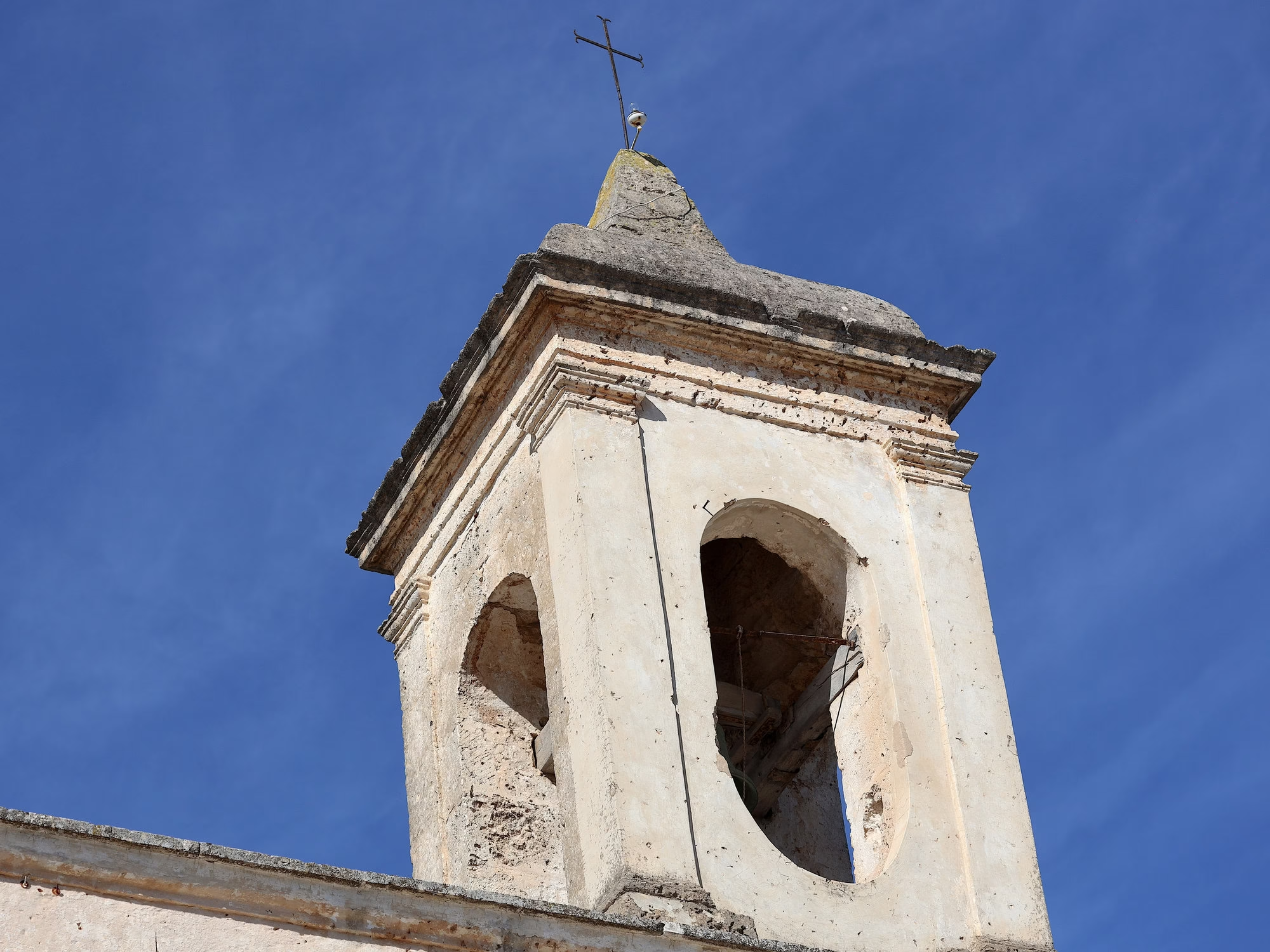
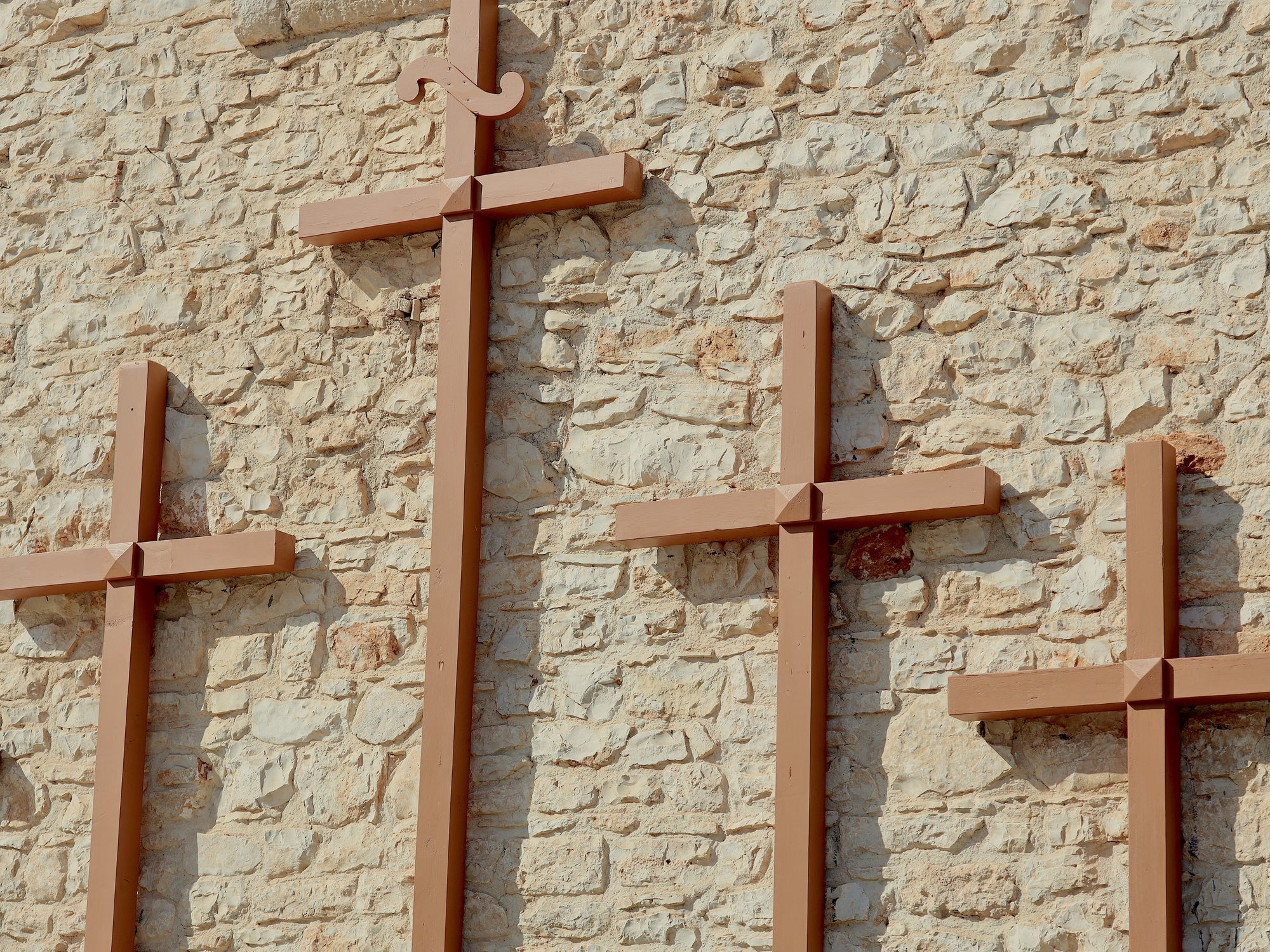
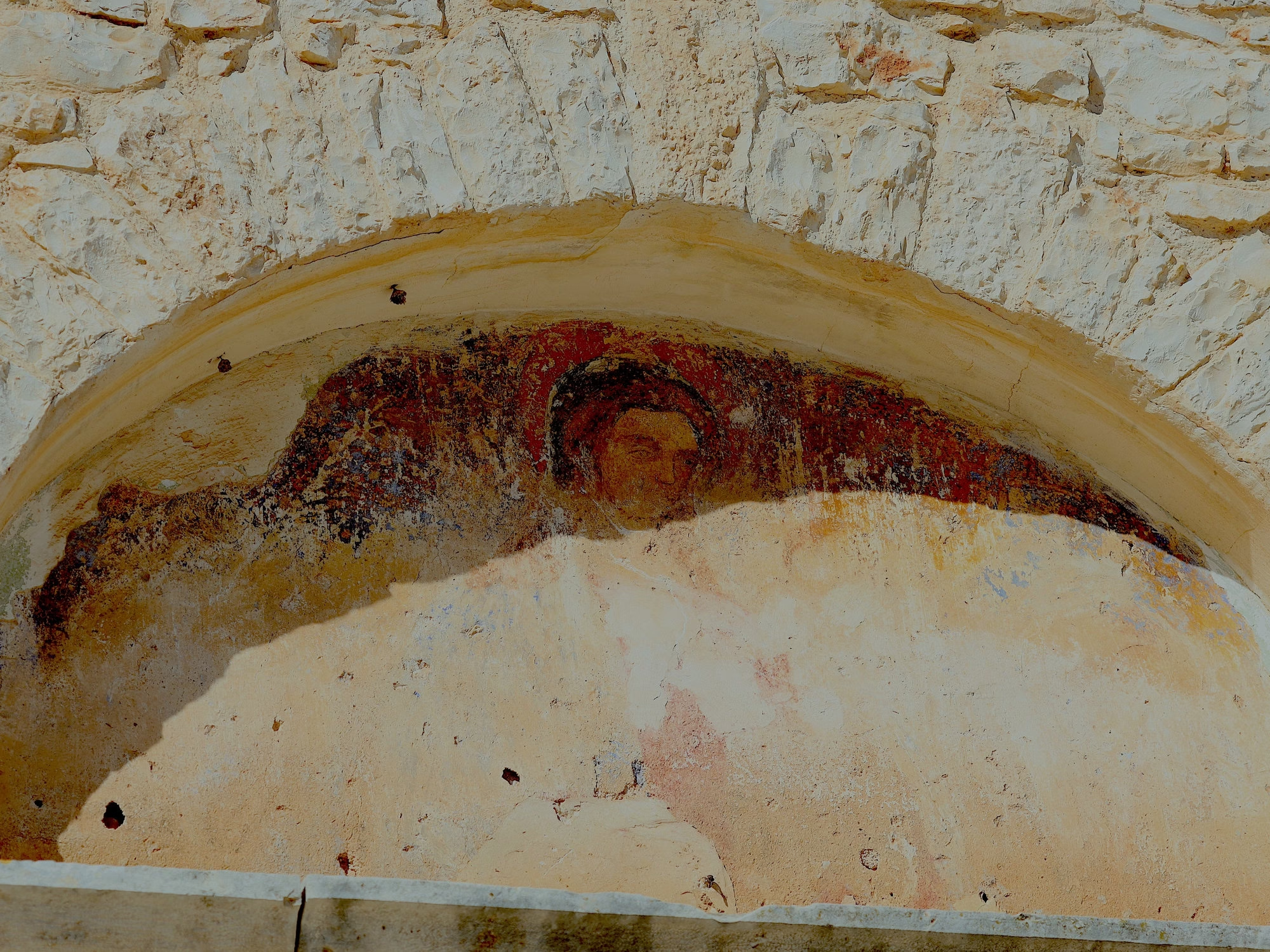
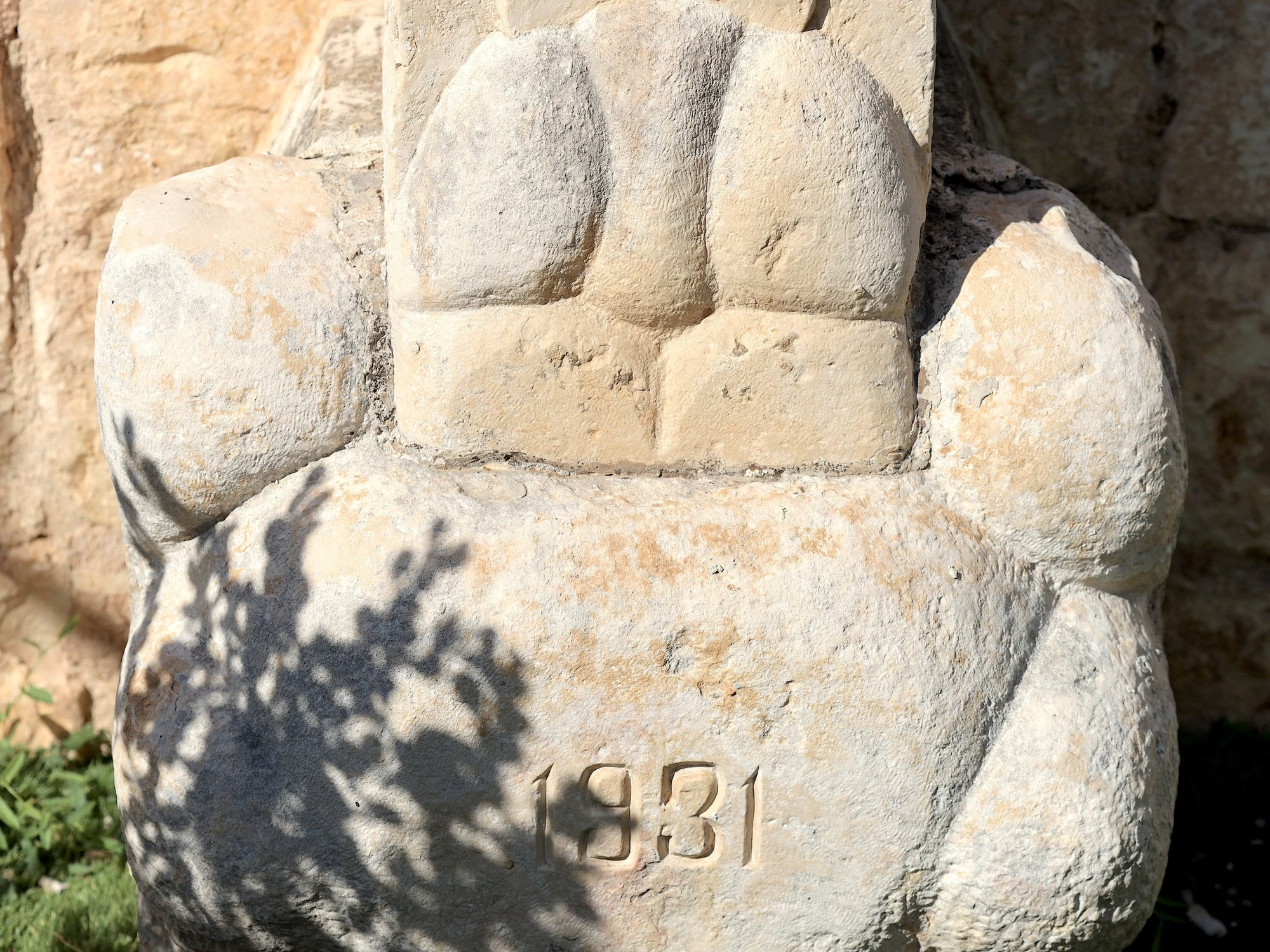
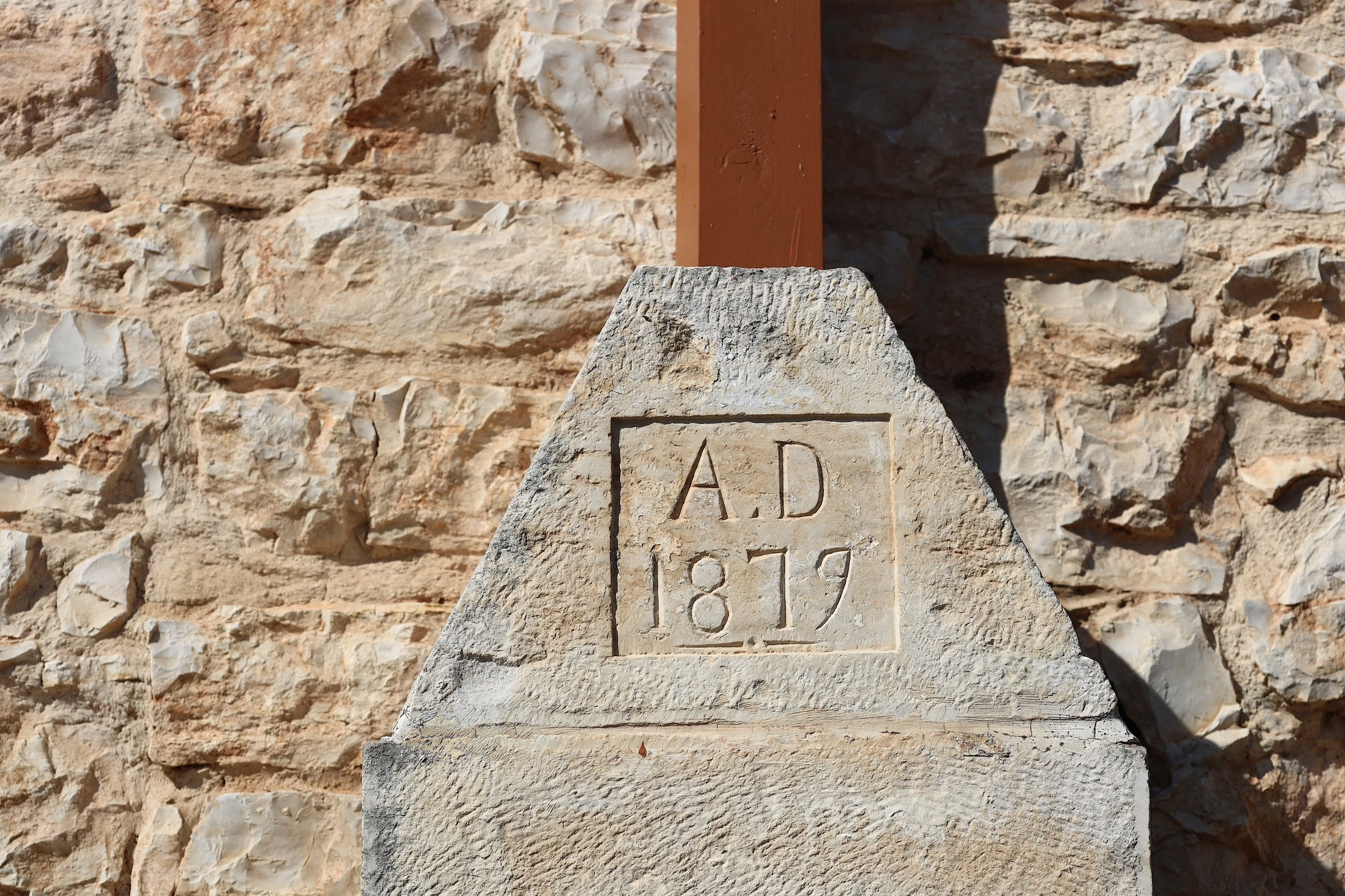
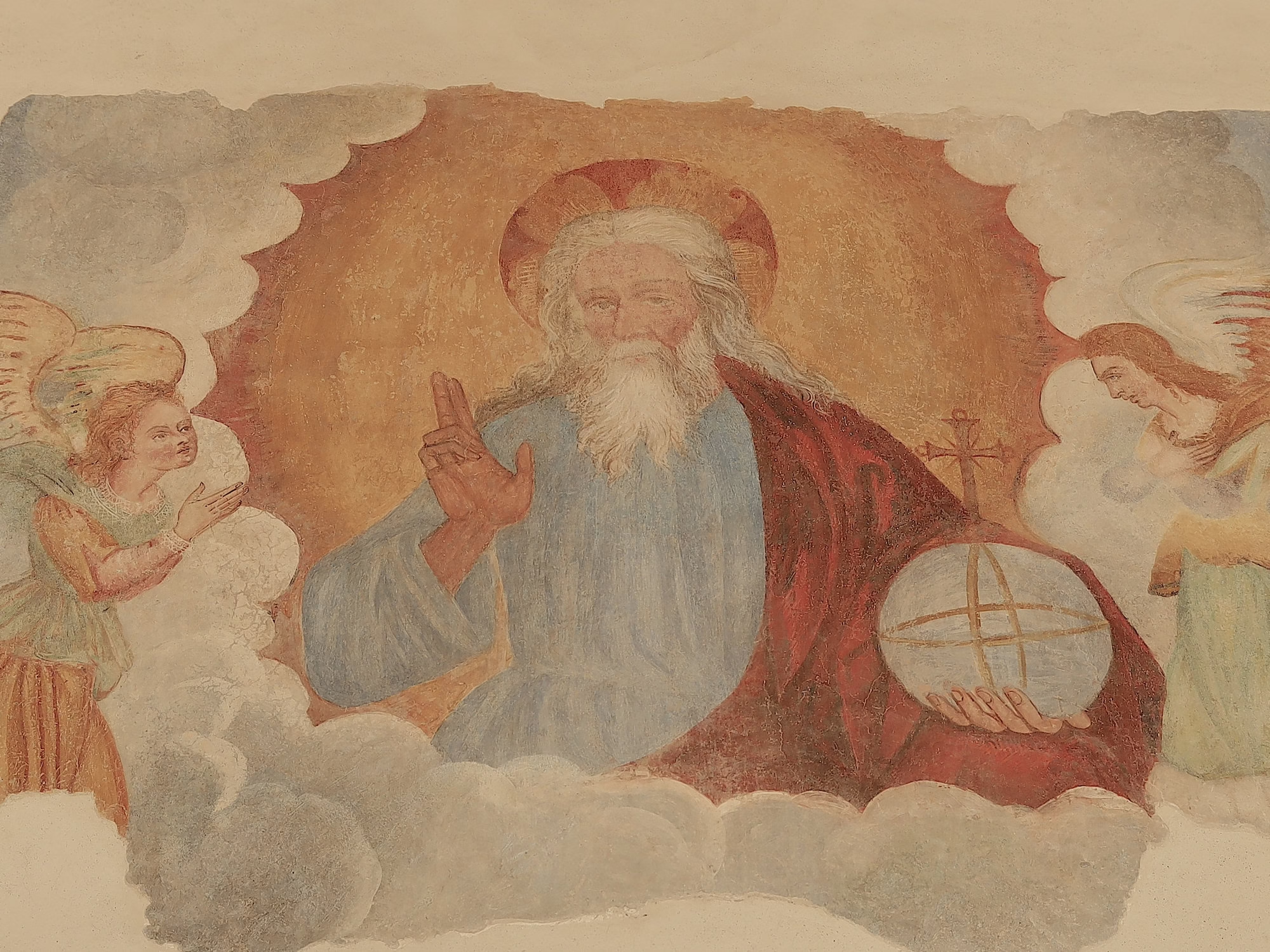
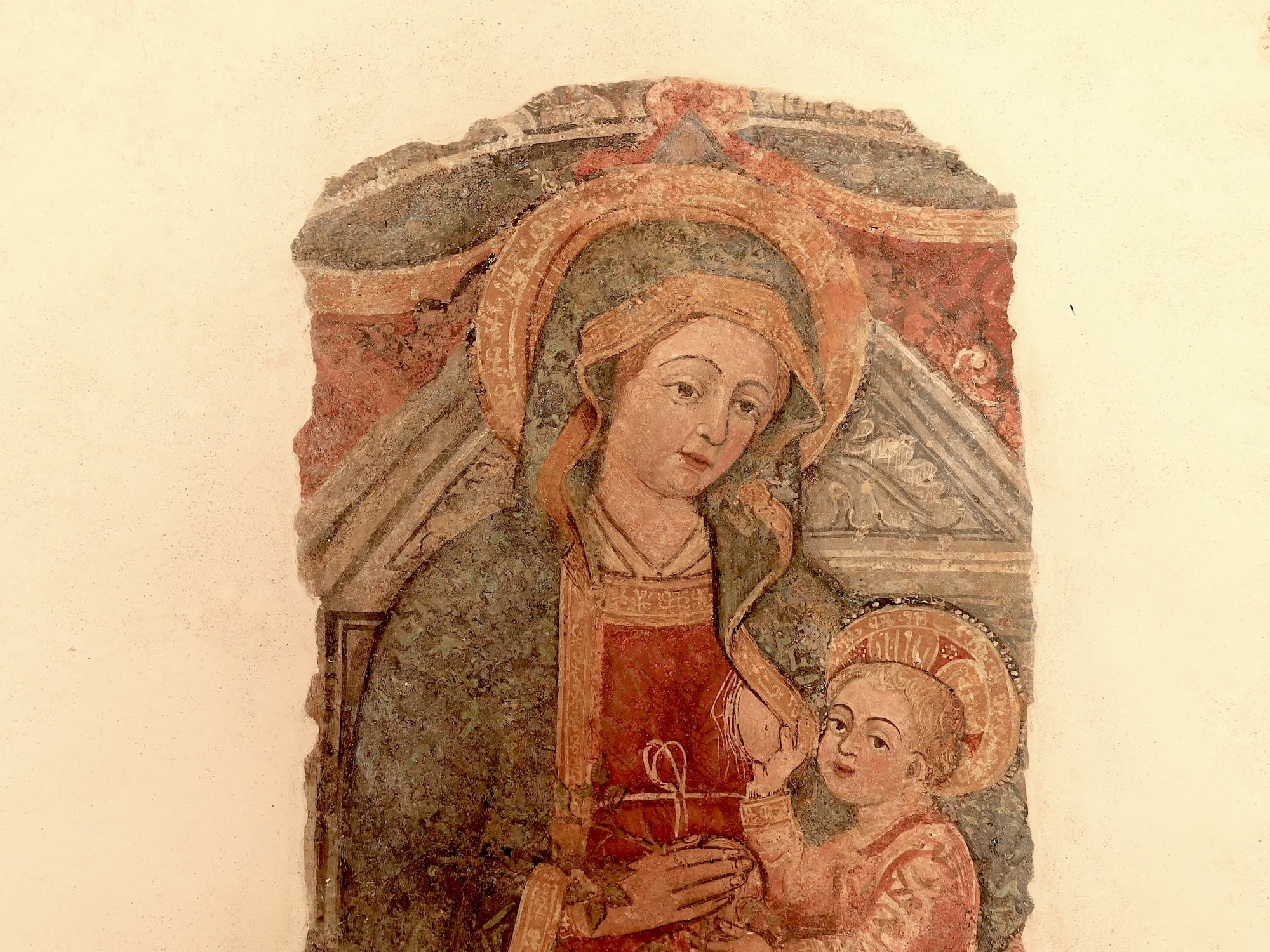
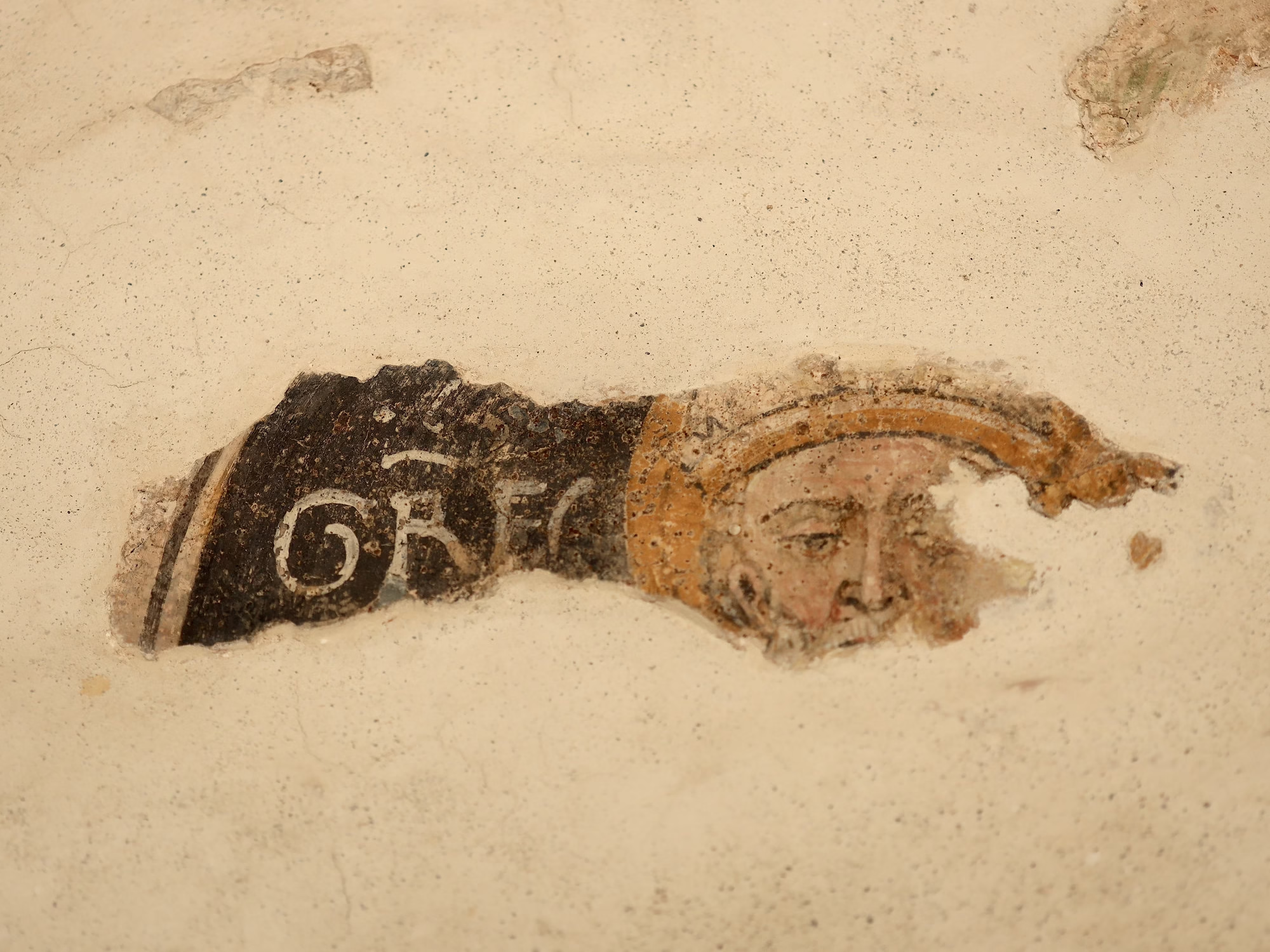
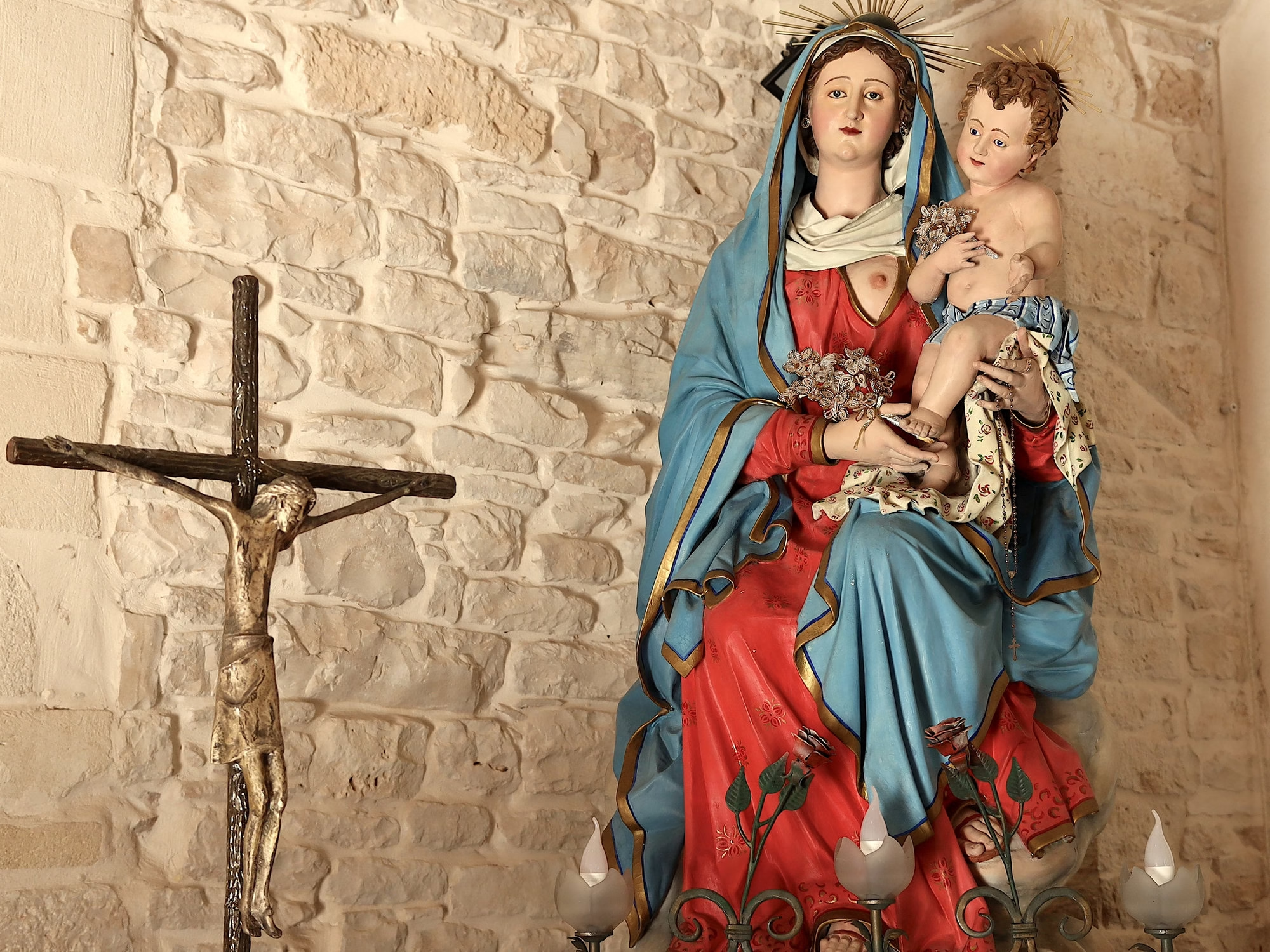
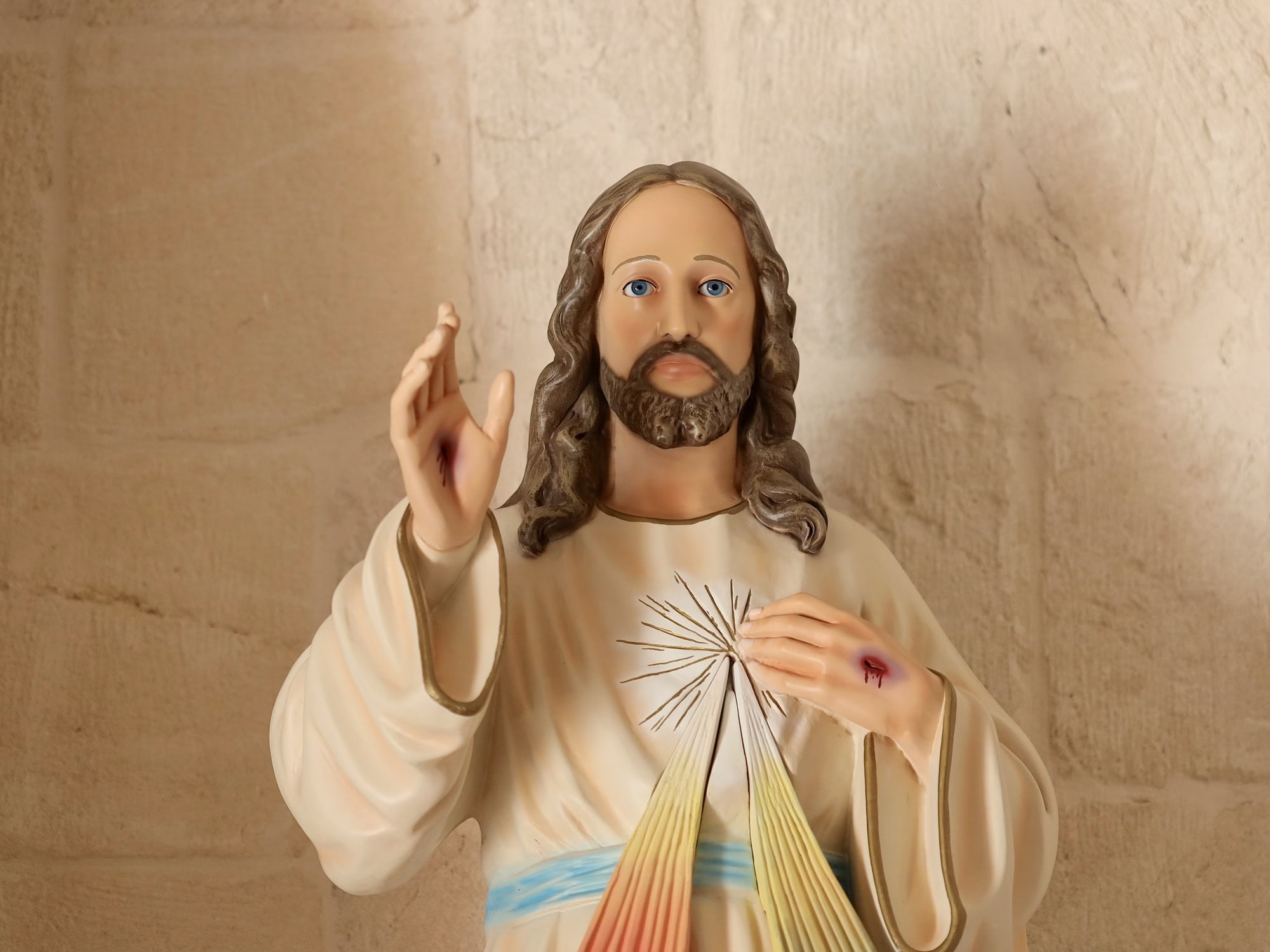
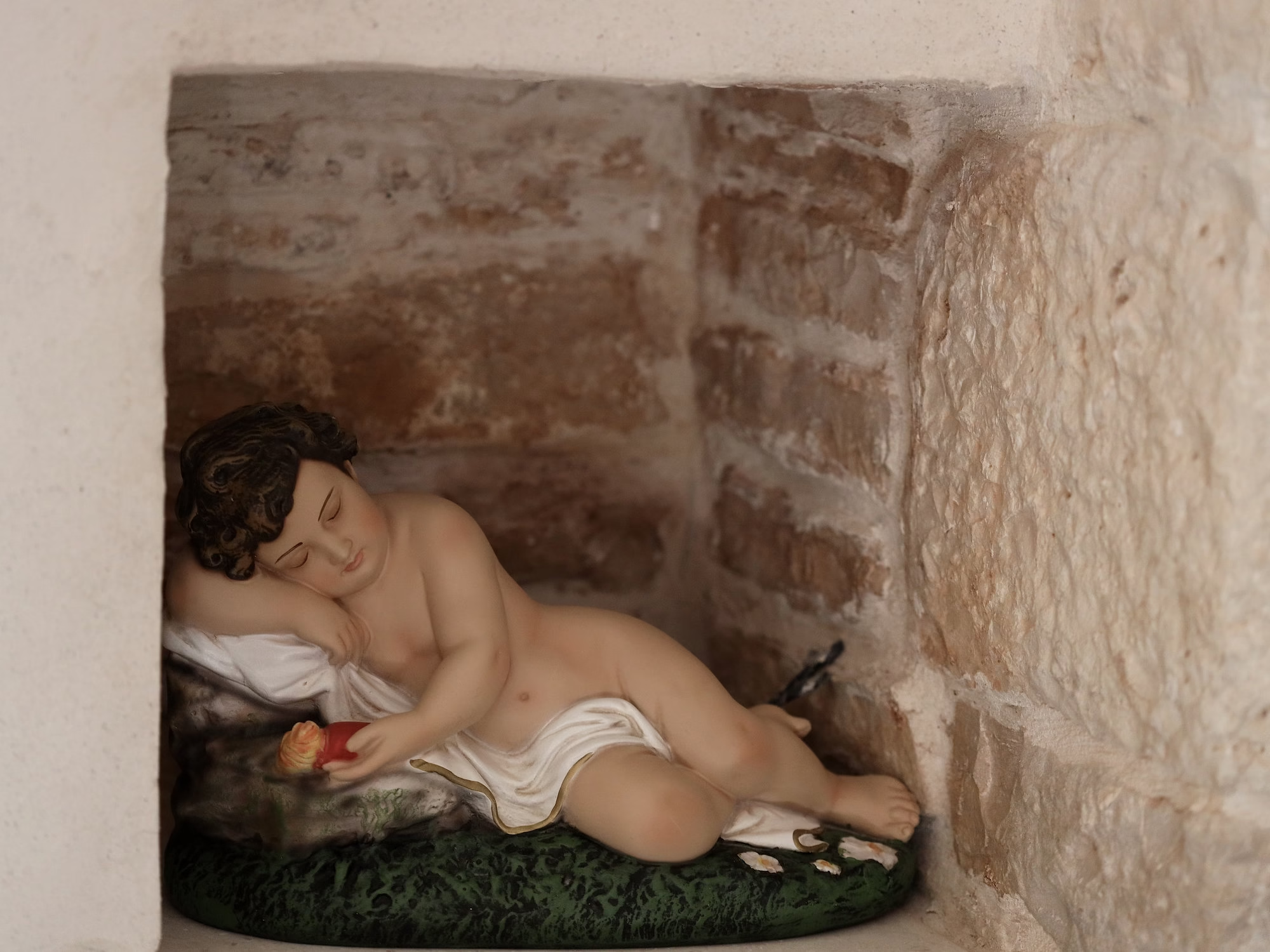
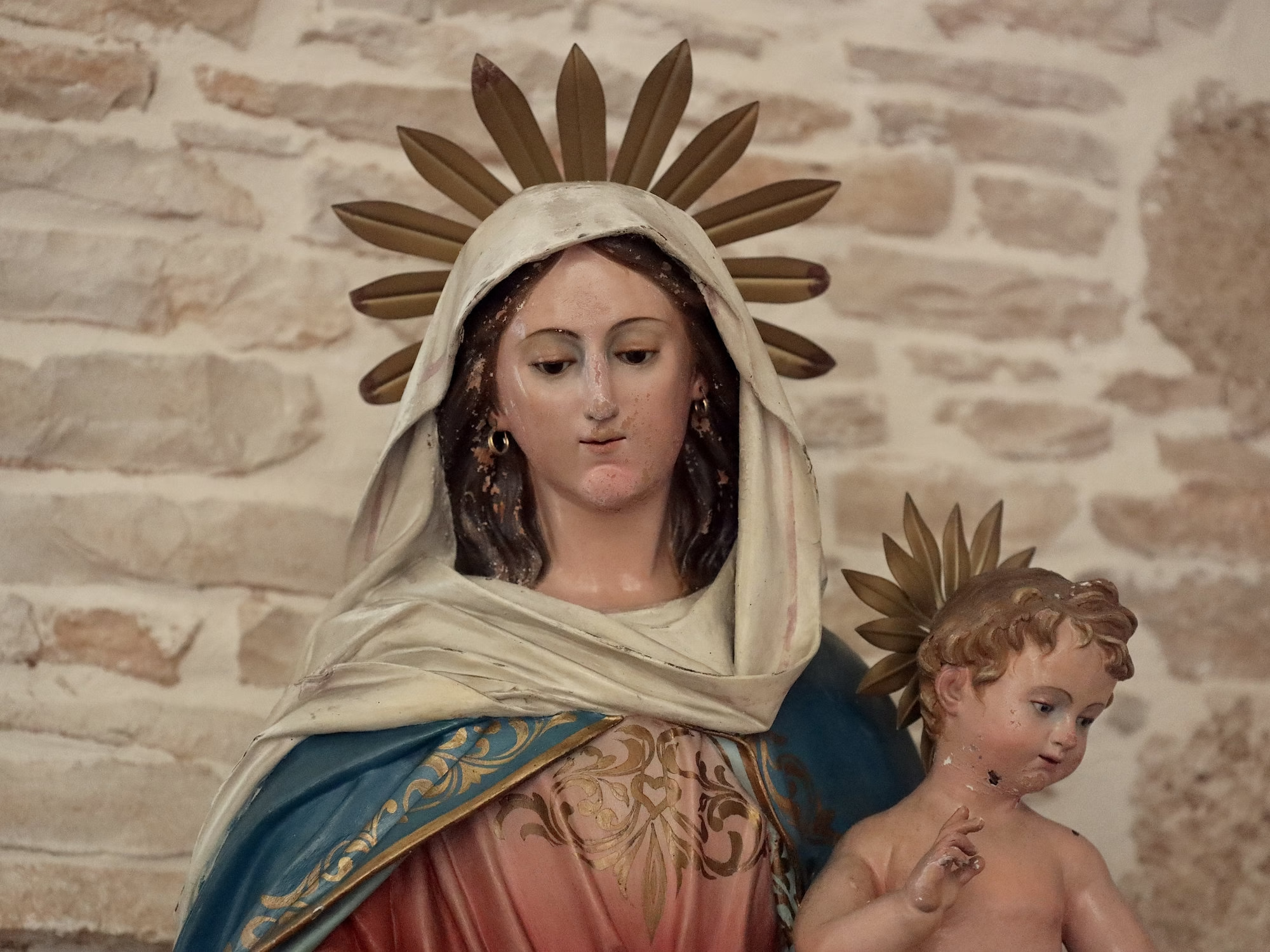
The figure of the Virgin, though damaged by time, continues to protect those who step inside, almost as a silent invitation to enter with respect. On the wall of the sacristy, five large wooden crosses stand sentinel, a reminder of sacrifice and unshakeable faith. The interior of the church lacks its original furnishings but its unique atmosphere speaks to the heart. In the centre, an austere 20th century stone altar is the legacy of past generations. Behind it, fragments of ancient murals can be glimpsed, precious hints of a time when the entire surface was decorated with colour and sacred figures, evidence of a pictorial language which no longer exists. A contemporary painting of the Virgin and Child symbolises the continuity between past and present, between ancient devotion and faith in today’s community. Next to the altar on the right-hand side, is a papier-mâché sculpture made by maestro Caretta di Lecce in 1914: the delicate and intense Our Lady of the Belt, seems almost to breathe in the half light. On the opposite side is a statue of Our Lady of Graces accompanied by a smaller, late 19th century sculpture of St. Francis Xavier. Today the chapel is a reference point for the community: each stone has witnessed the devotion of the faithful who have spent a moment of prayer in this place.