Casina Mastroserio
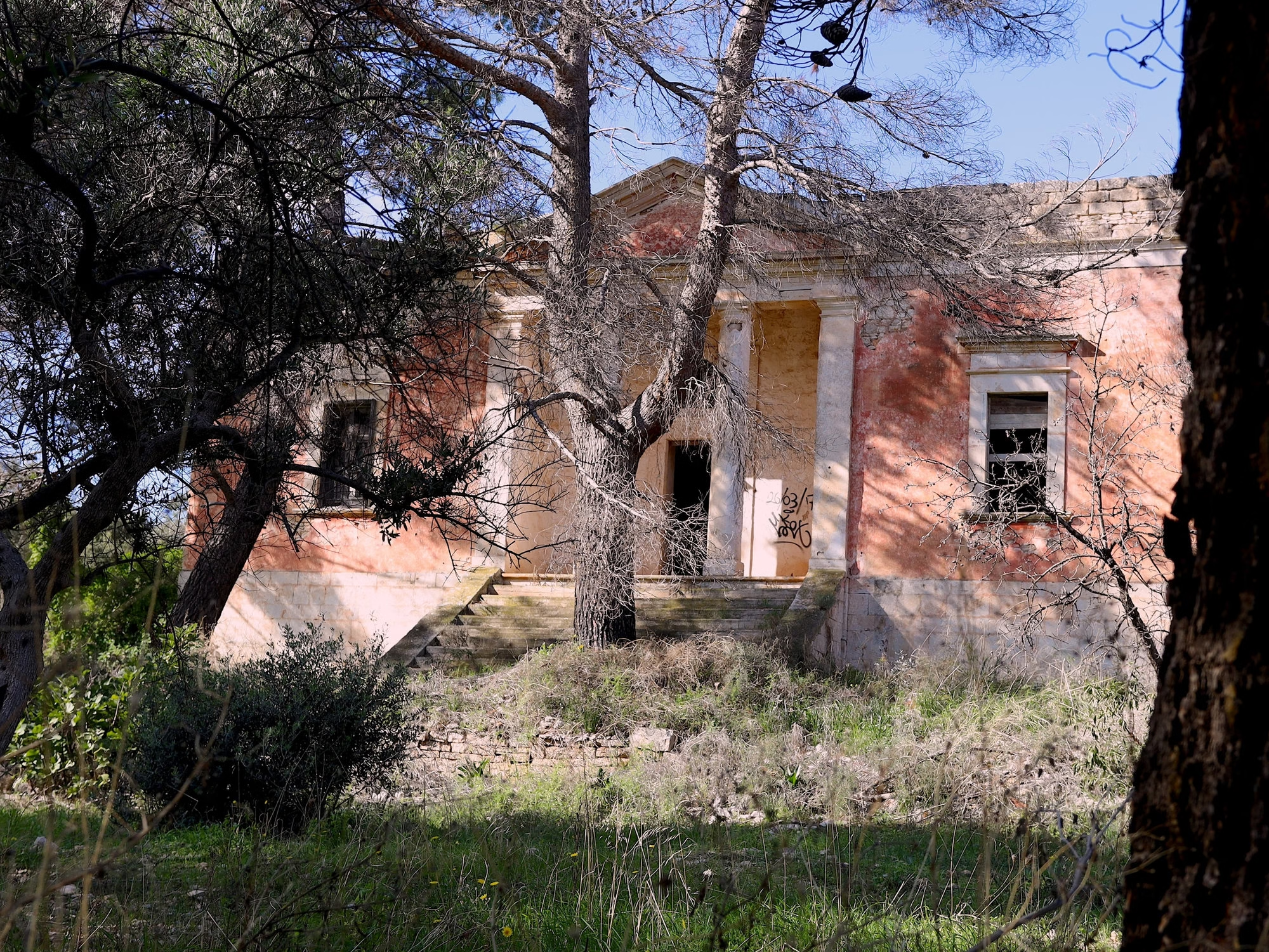
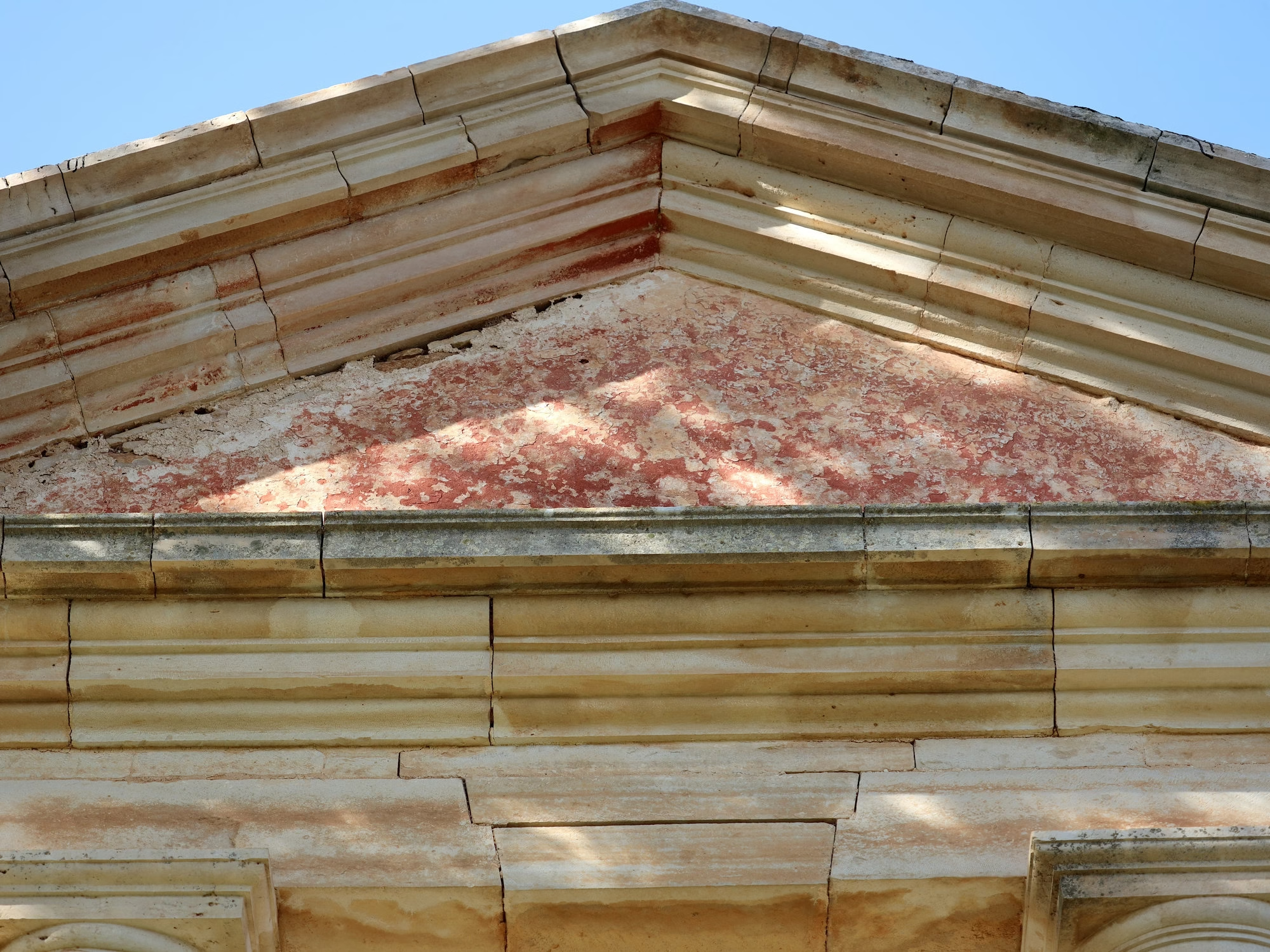
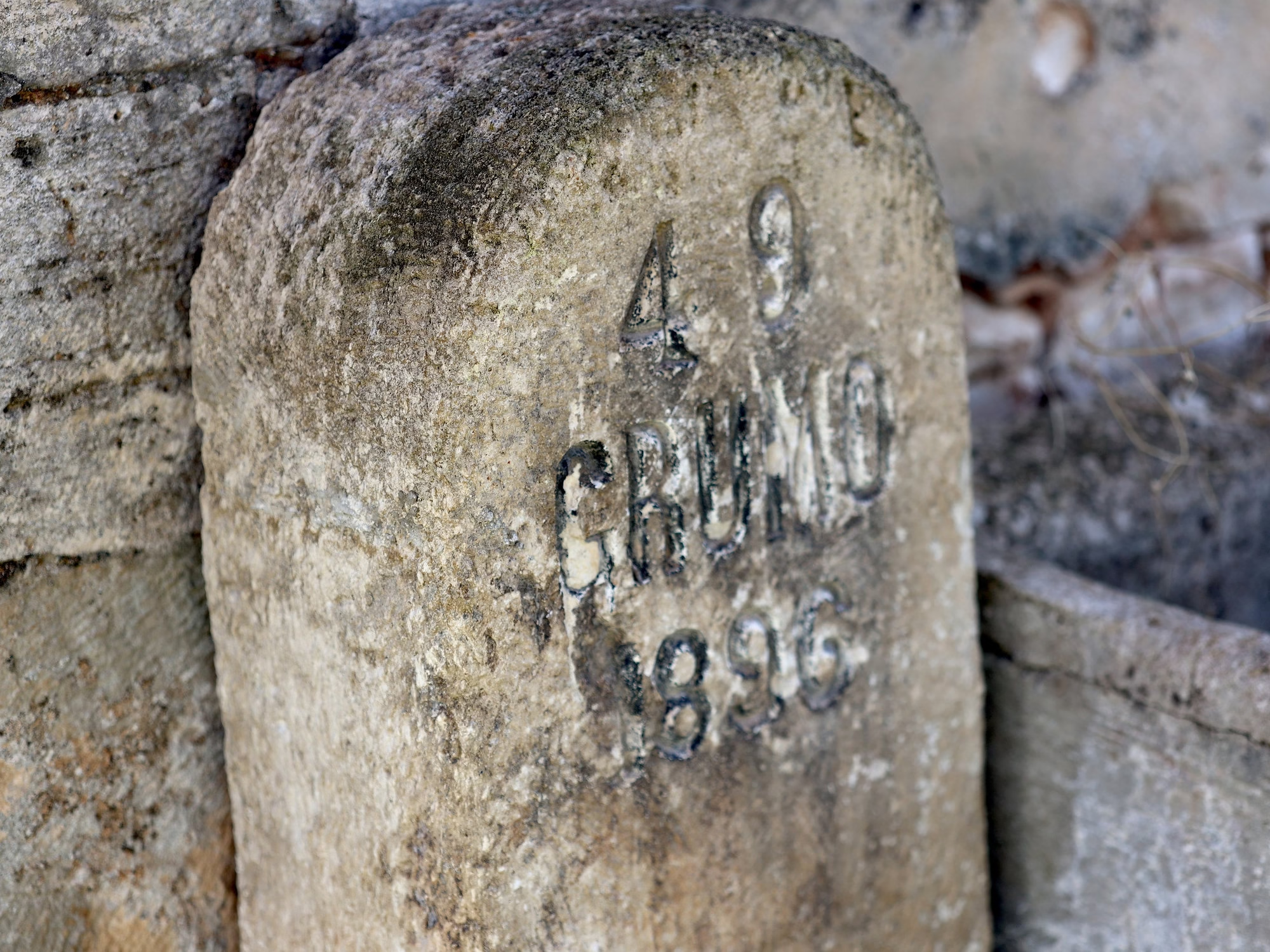
This farmhouse with its Palladian entrance, immersed in the gentle hills of Puglia, hides the secrets of centuries in in its walls. Built at the beginning of the 19th century by Giuseppe Mastroserio, mayor of Grumo and fervent follower of “Bruto Secondo”, it was not just a residence, but a refuge for those dreaming of freedom. This was the headquarters of a clandestine society founded by Giovanni Scippa, inspired by Vittorio Alfieri’s tragedy. Marco Giunio Bruto was a symbol of courage and dedication to freedom and his name was ever present in the conversations and plans of the revolutionaries who walked the silent corridors of the house. The white columns around the entrance are topped by a gable, giving the building the look of a temple, a place where dreams of a free Italy could be heard murmuring in the wind through the trees.
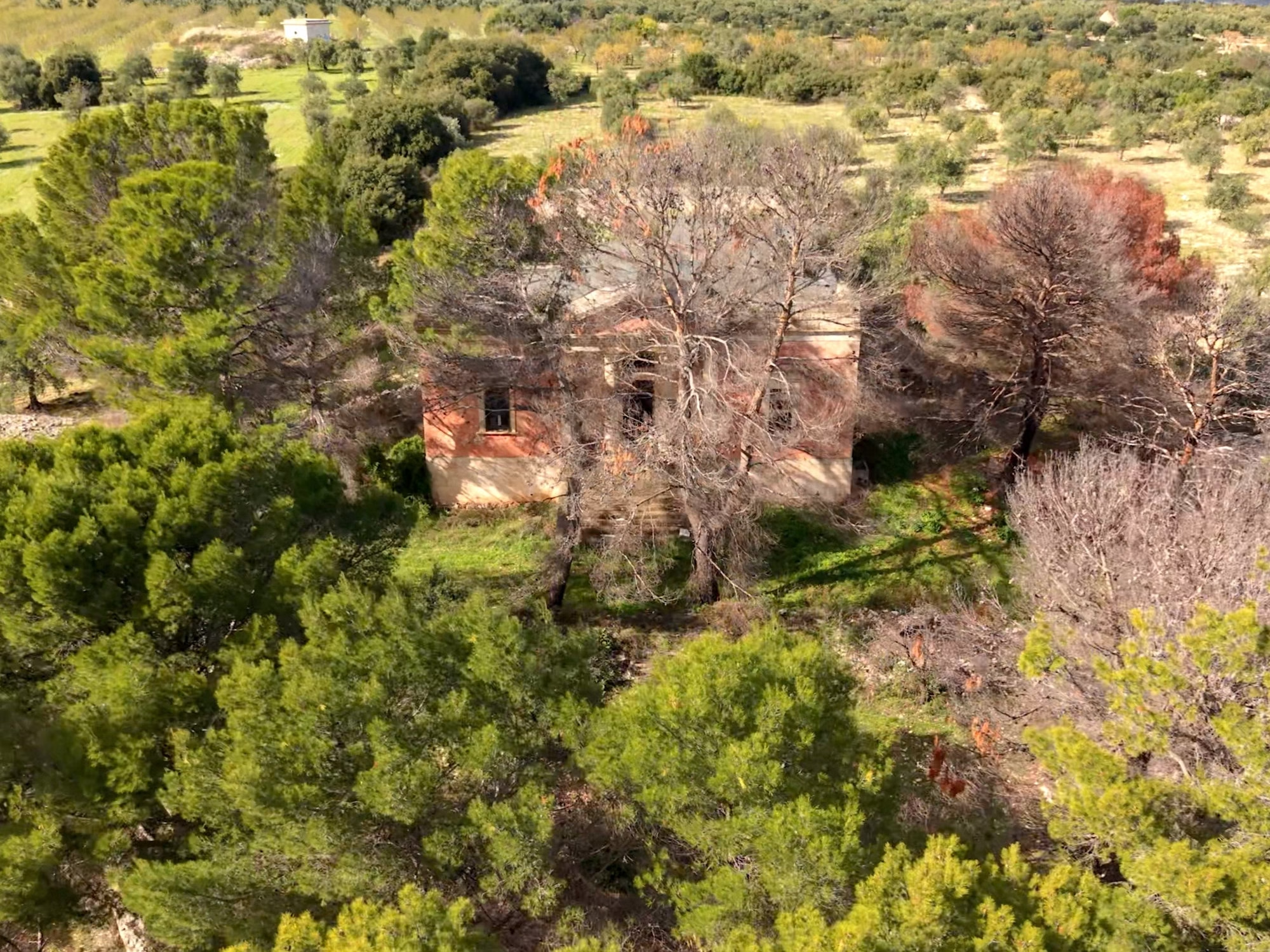
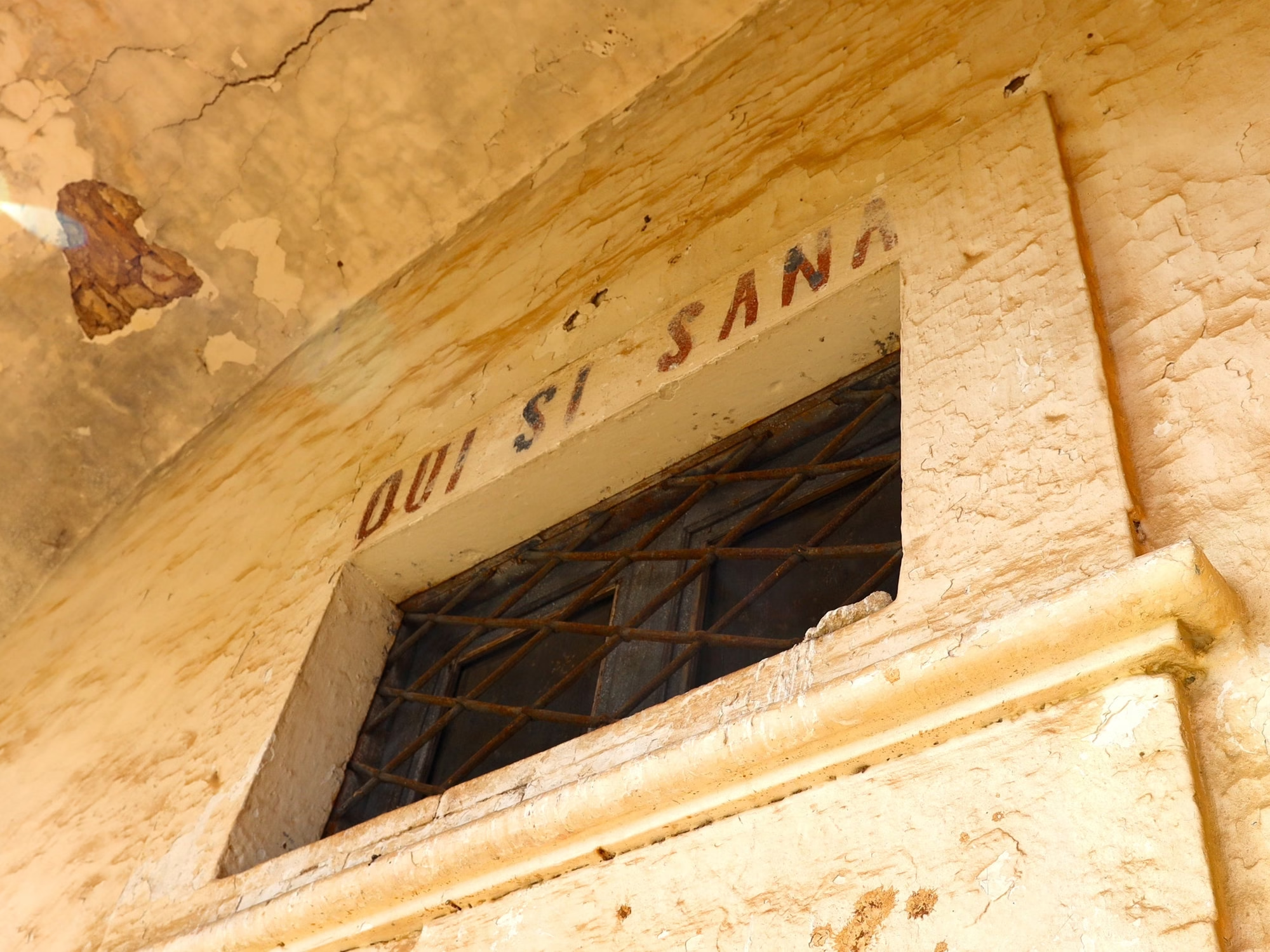
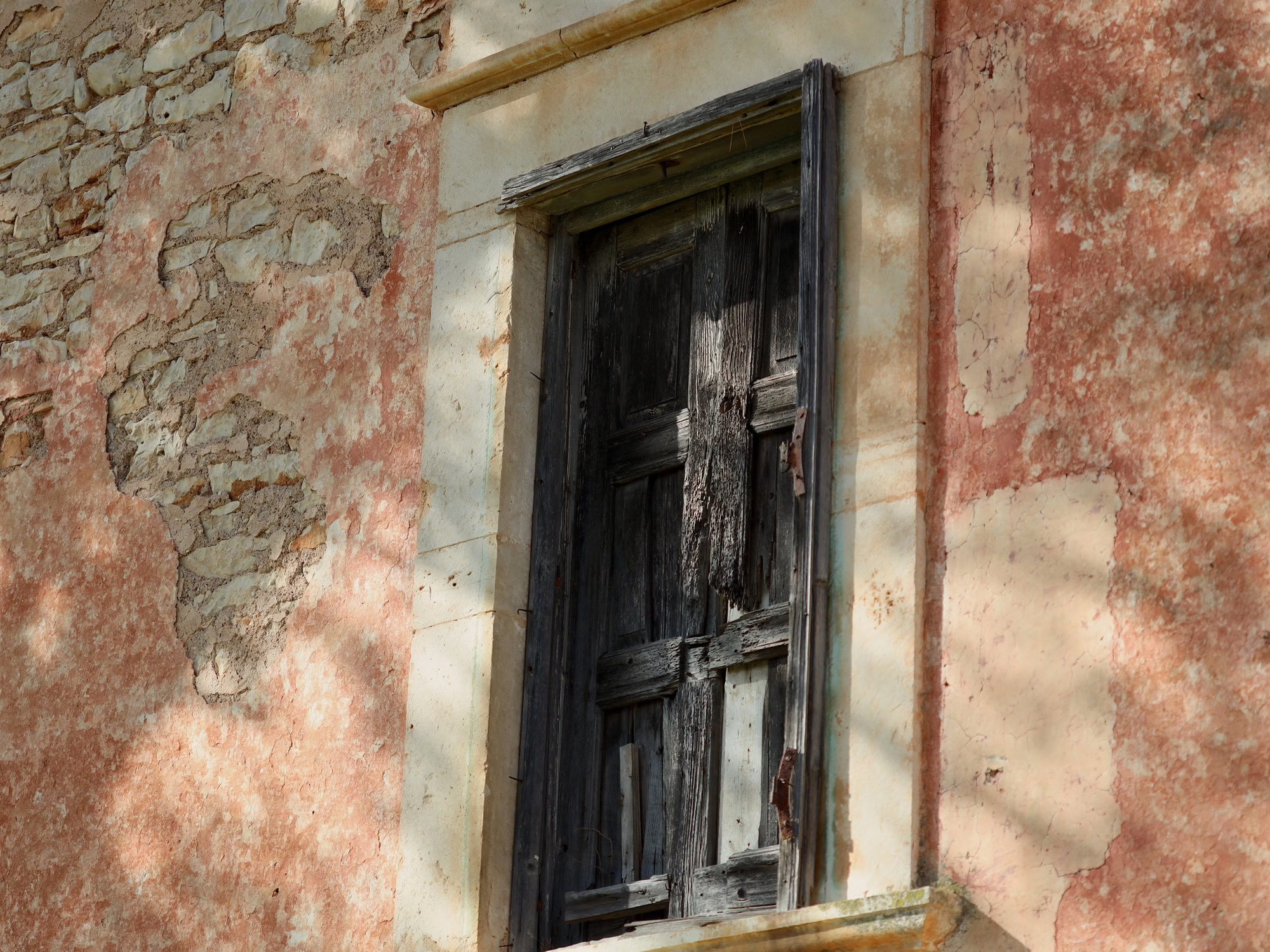
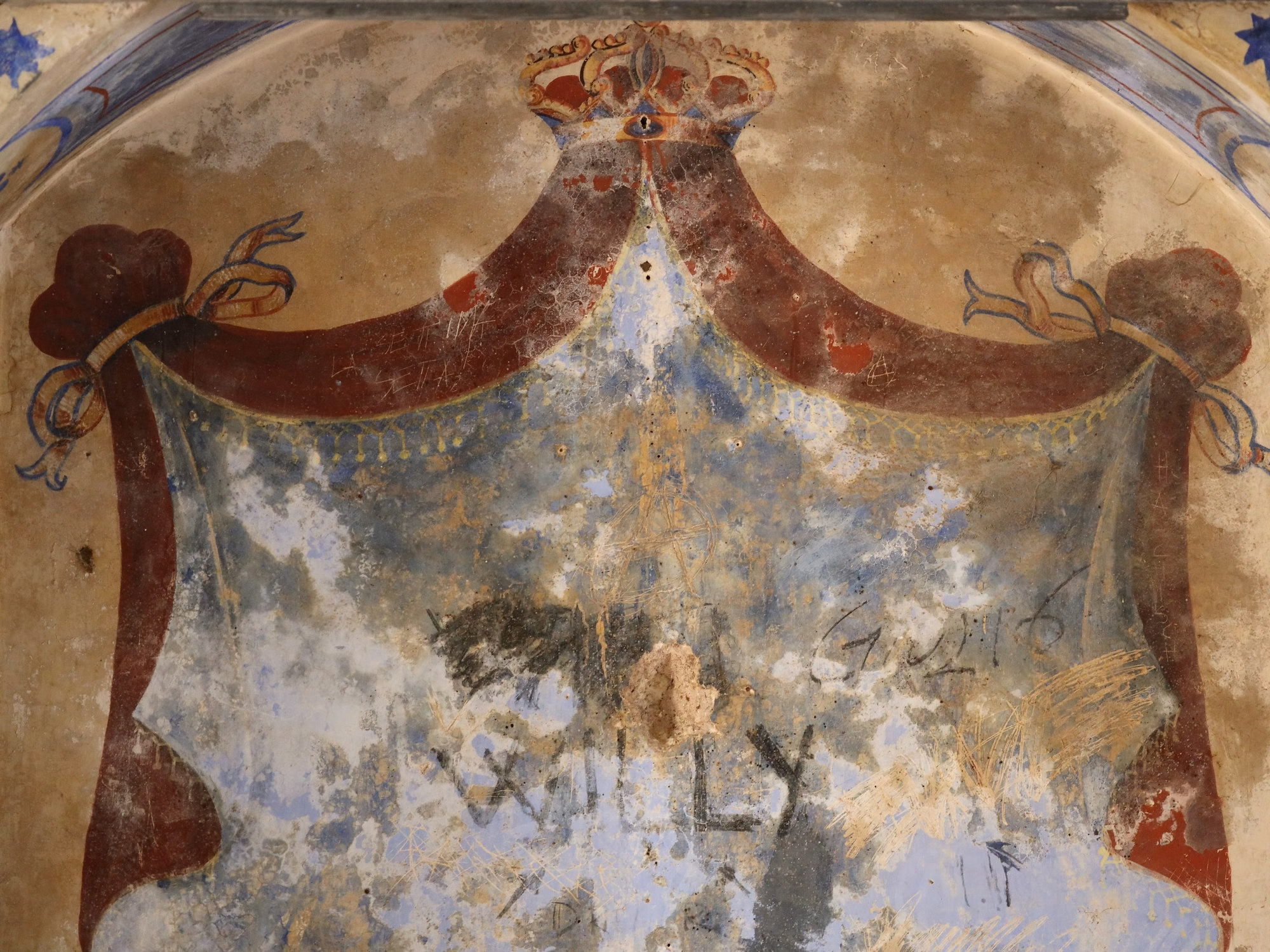
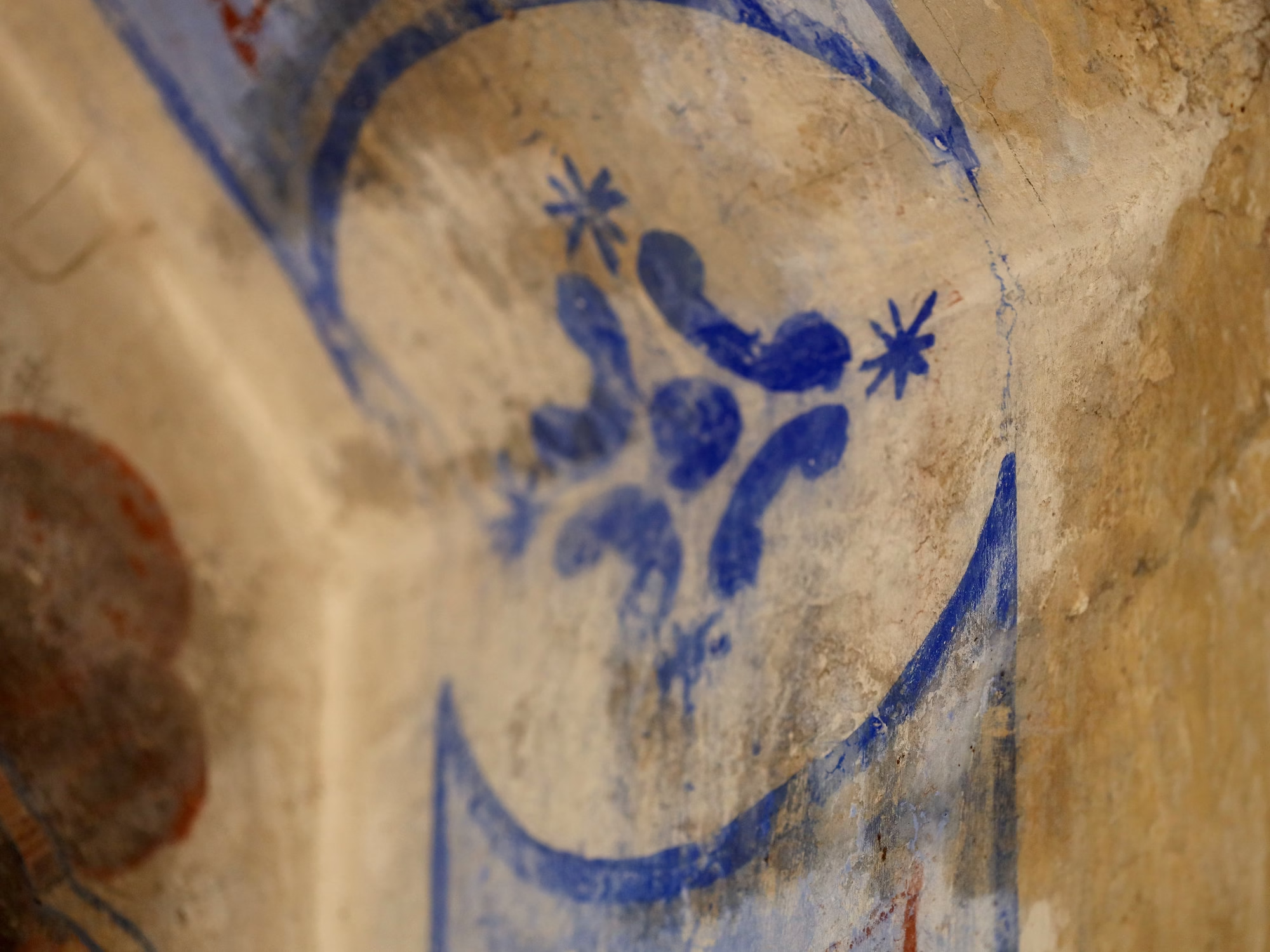
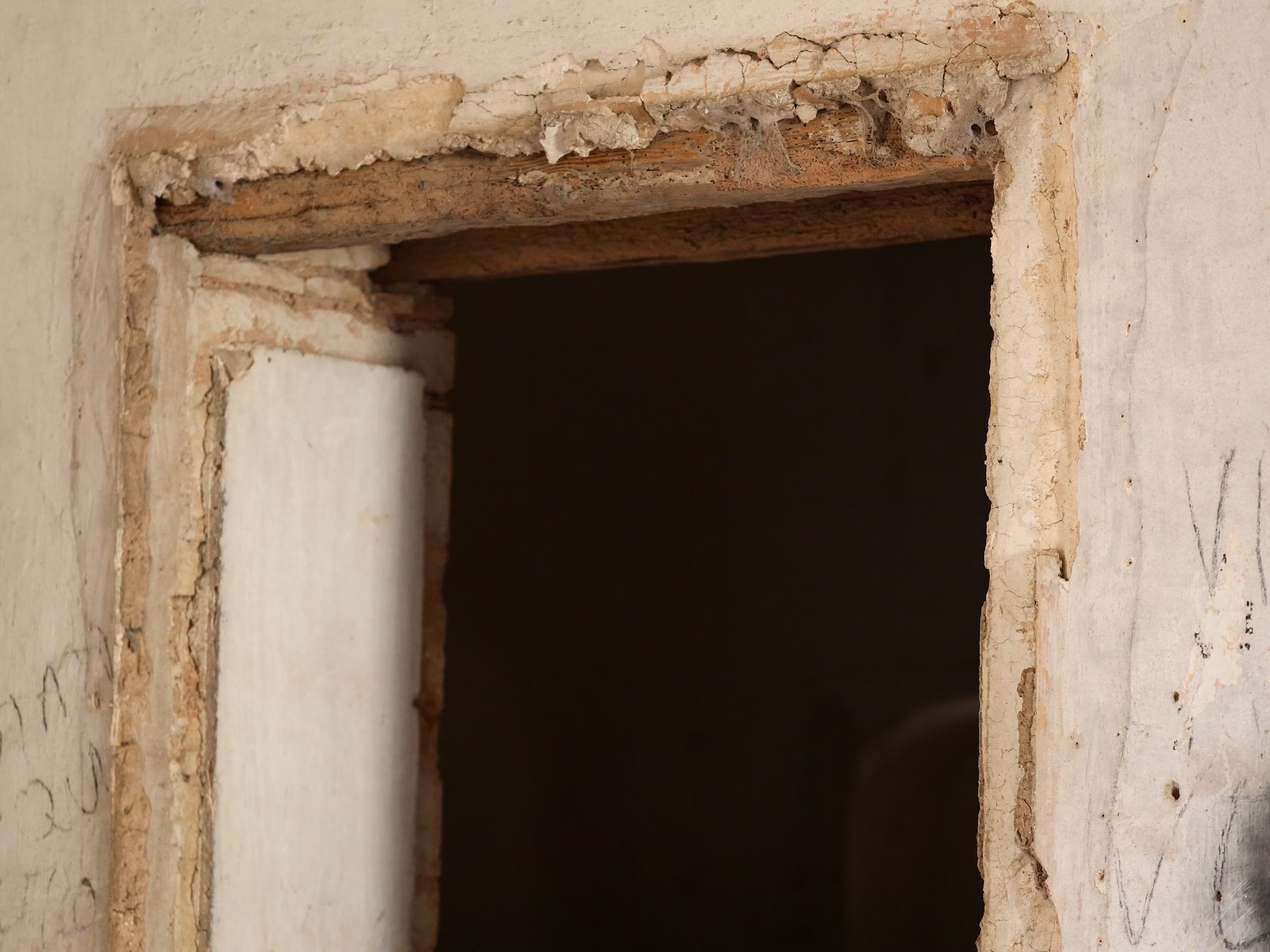
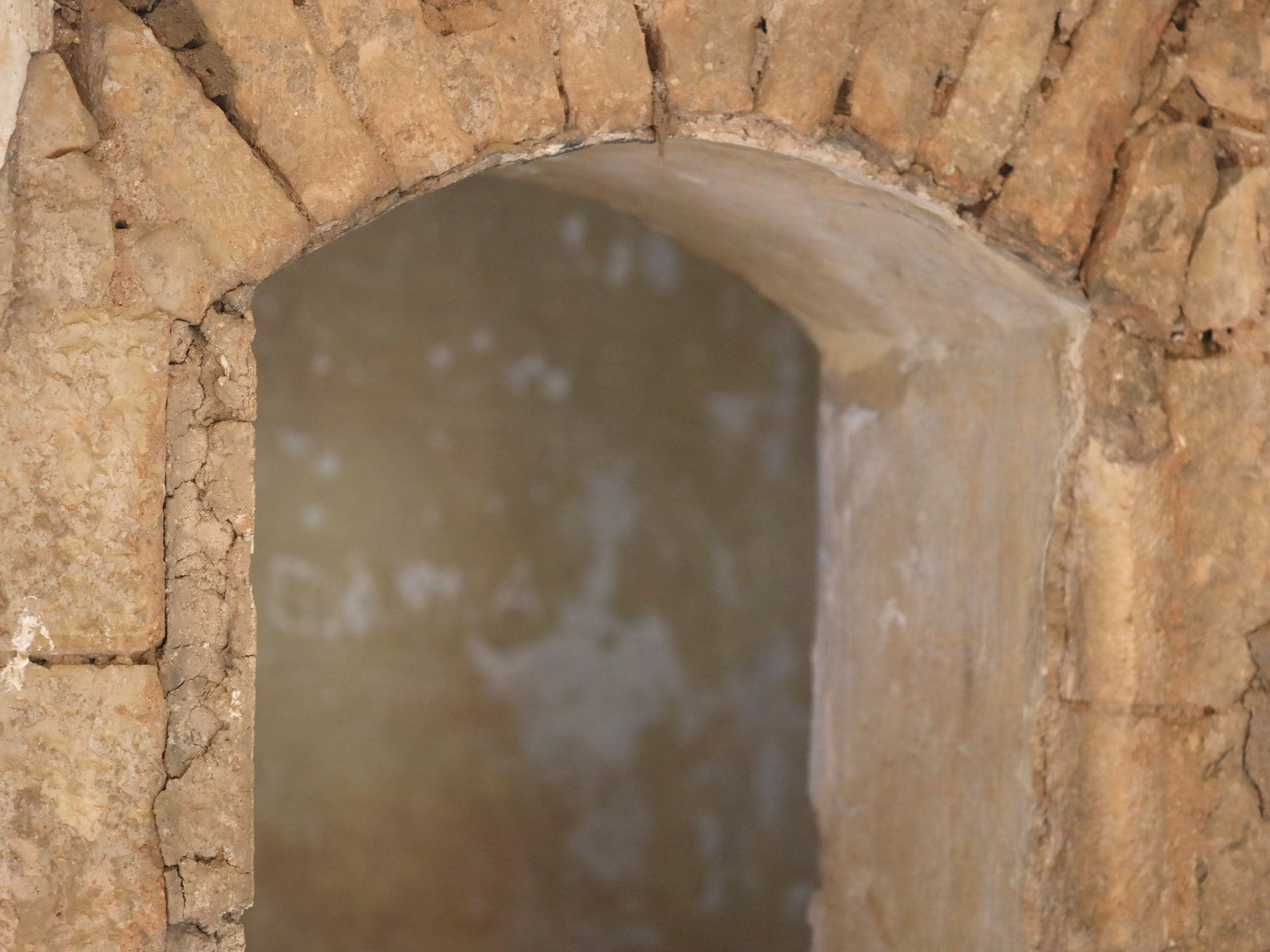
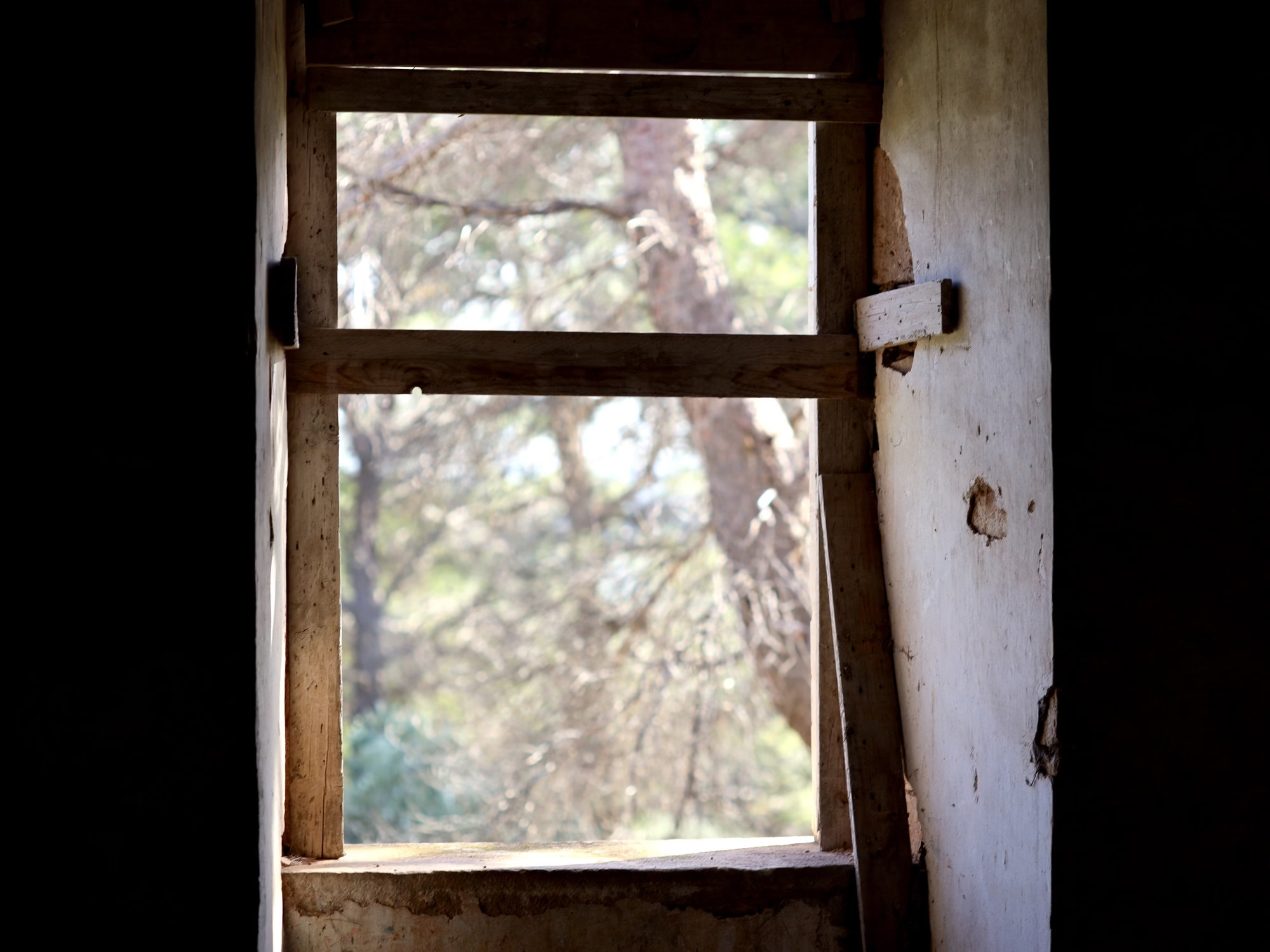
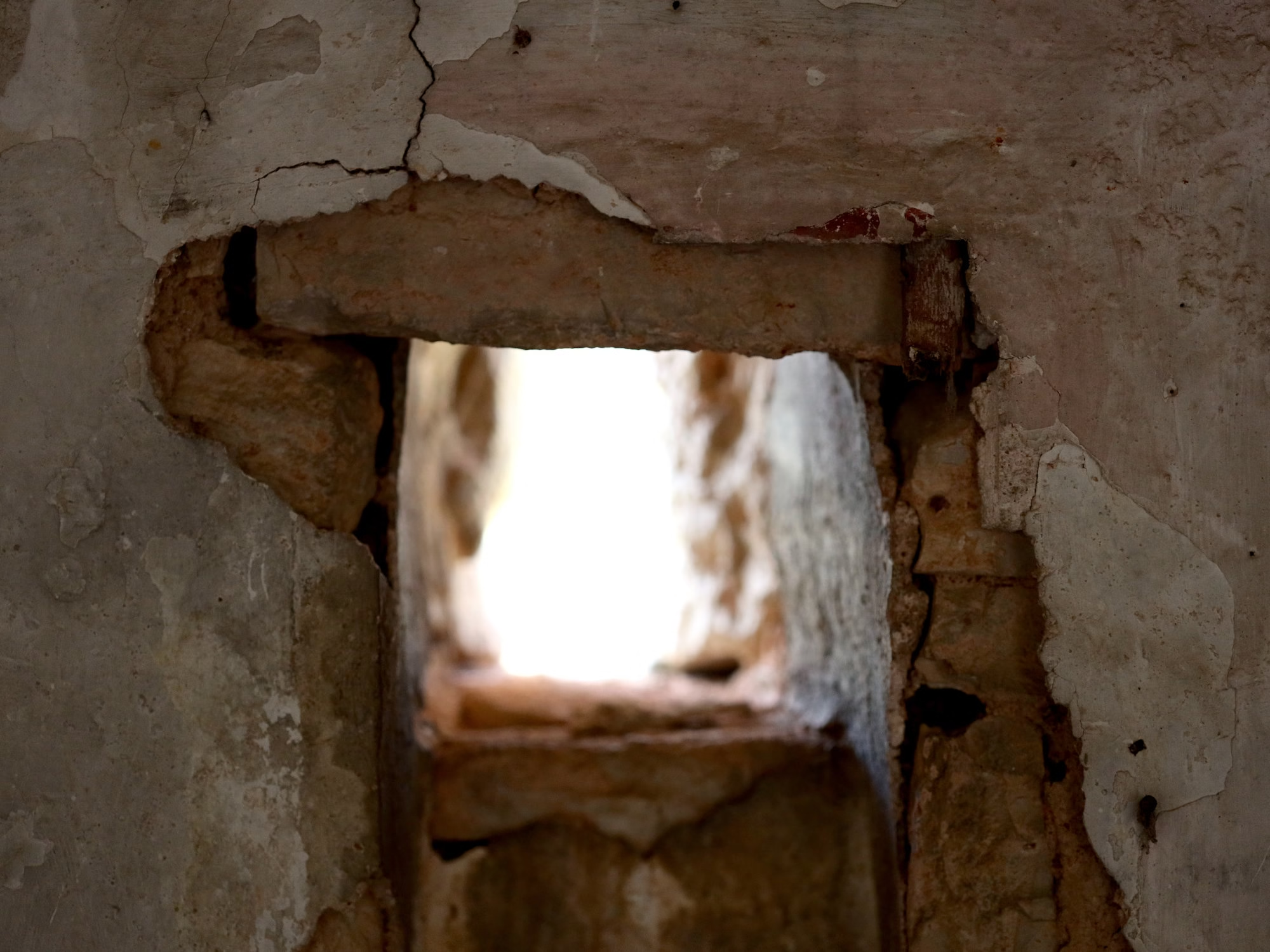
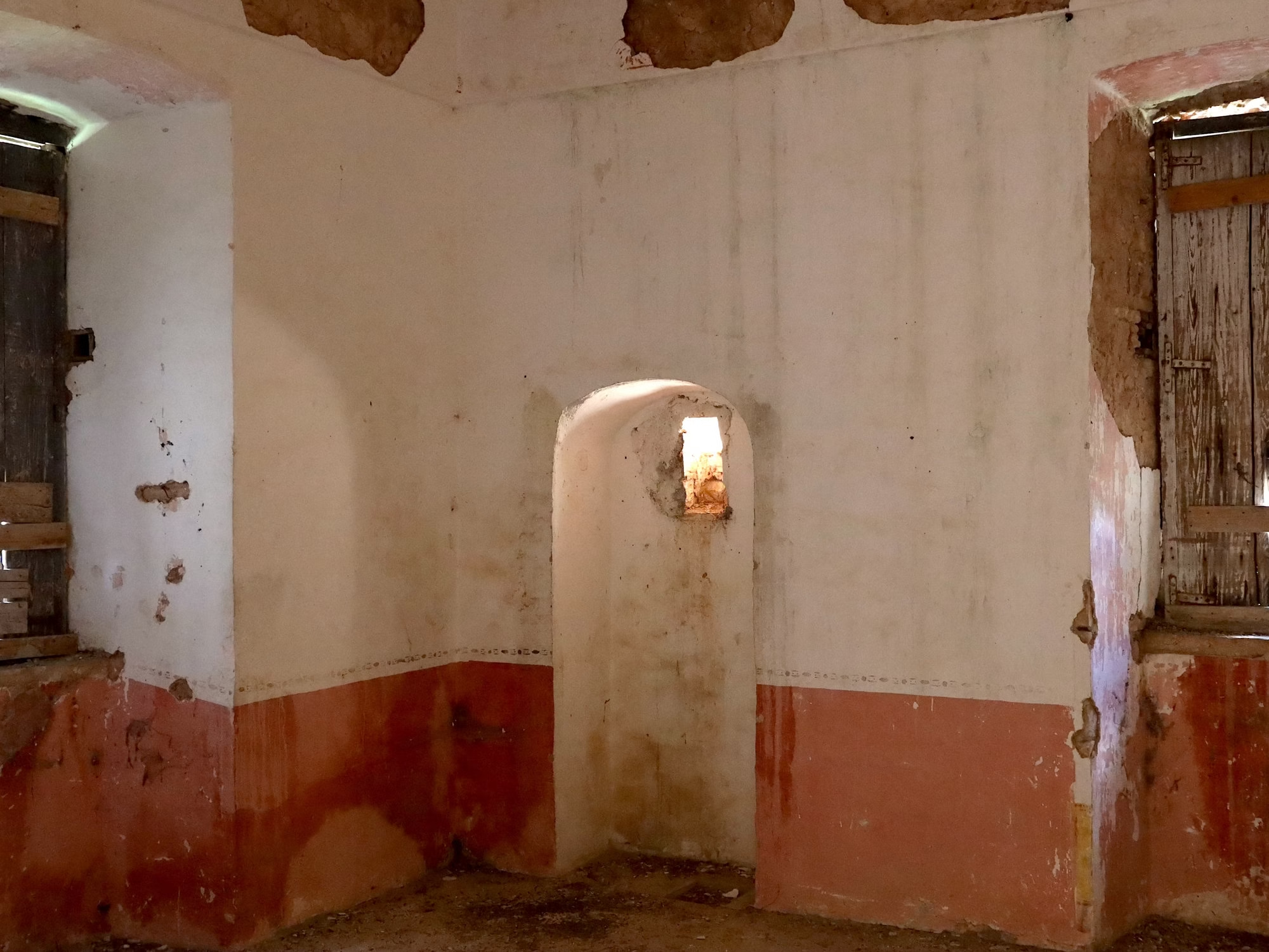
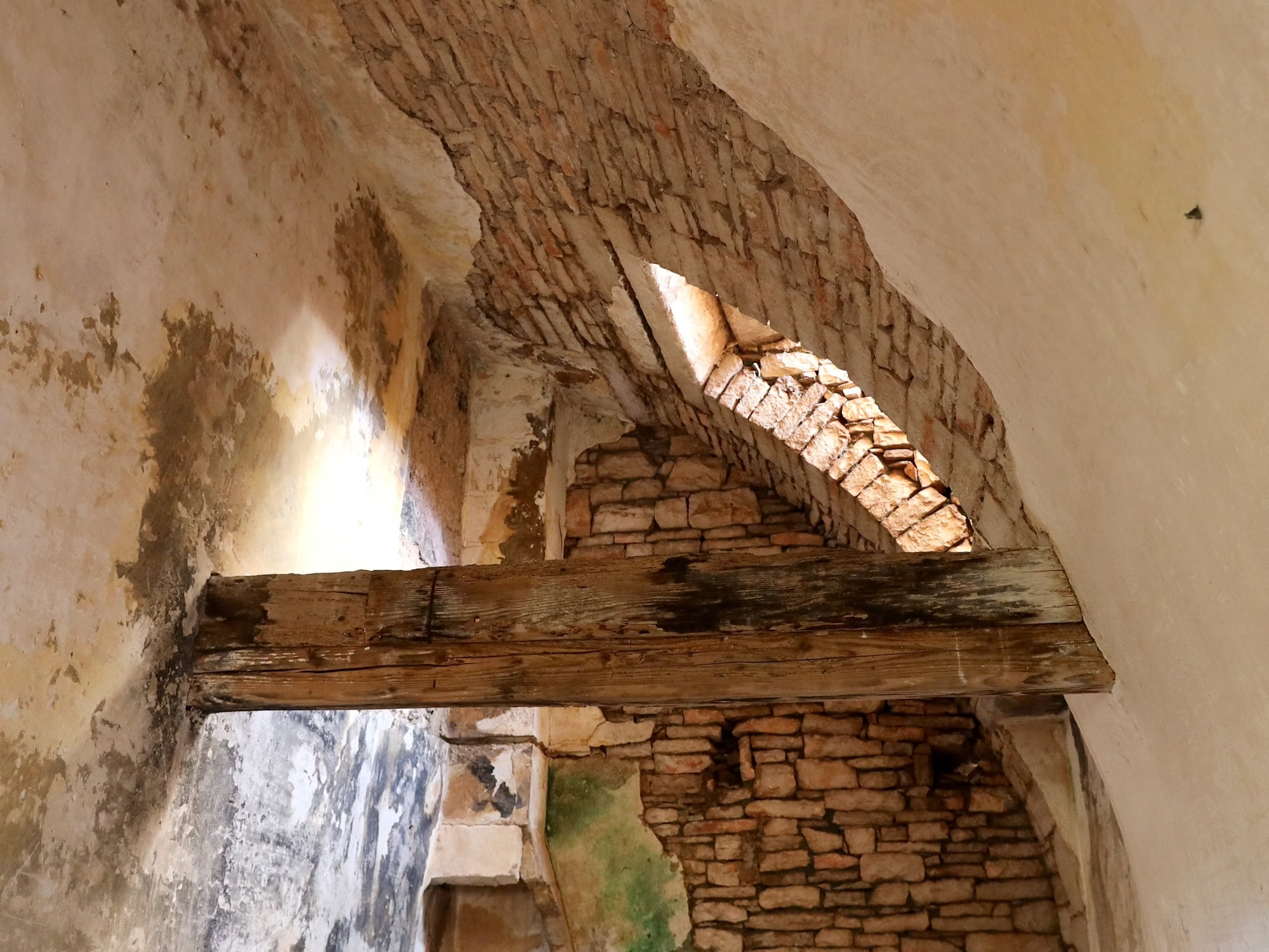
The strategic position of the building meant that all movements nearby could be seen, an essential detail for those fleeing from the royal troops. In 1821, Grumo became the scene of conspiracy and flight. Giovanni Scippa hid Giuseppe Silvati and Michele Morelli, carbonari persecuted by the Kingdom of the Two Sicilies. Inside the building, a large reception room leads onto other rooms; unfortunately, only a few traces remain of the original frescoes on the ceiling. A large stone trap door leads to the underground rooms, used centuries later to hide Jewish families during the fascist regime. Today, in the empty rooms and the faded frescoes, there is still an echo of that revolutionary spirit. The words “Qui si sana”, added later when the house became a noble residence, seem to evoke another time, but anyone who knows the history of the place can witness the strength of freedom that no tyranny and no regime could extinguish.