
Casina D’Amato
The house was built in the mid-1800s at the behest of Vito Trerotoli, an influential figure in the history of Grumo. He was from a large family with twenty siblings and was destined for the clergy. He studied in Campi Salentina and then in Naples with the Padri delle Scuole Pie. But at the age of 20 he abandoned the spiritual life, attracted by politics and the new ideas circulating in those turbulent years. When he returned to Grumo, he became an important figure in the so-called “rivoluzione di Grumo” (Grumo revolution), gaining fame and respect. Having obtained a degree in law, he moved to Trani to work as a lawyer but never forgot the strong links with his hometown. In 1842, he returned to Grumo to defend the landowners in an important lawsuit against the council; the victory of this case gave him great prestige. The citizens wanted him as mayor but Vito preferred to turn down the position in favour of his son, Giuseppe. Vito was a man of action and culture and left various articles which confirm his intellectual vitality.
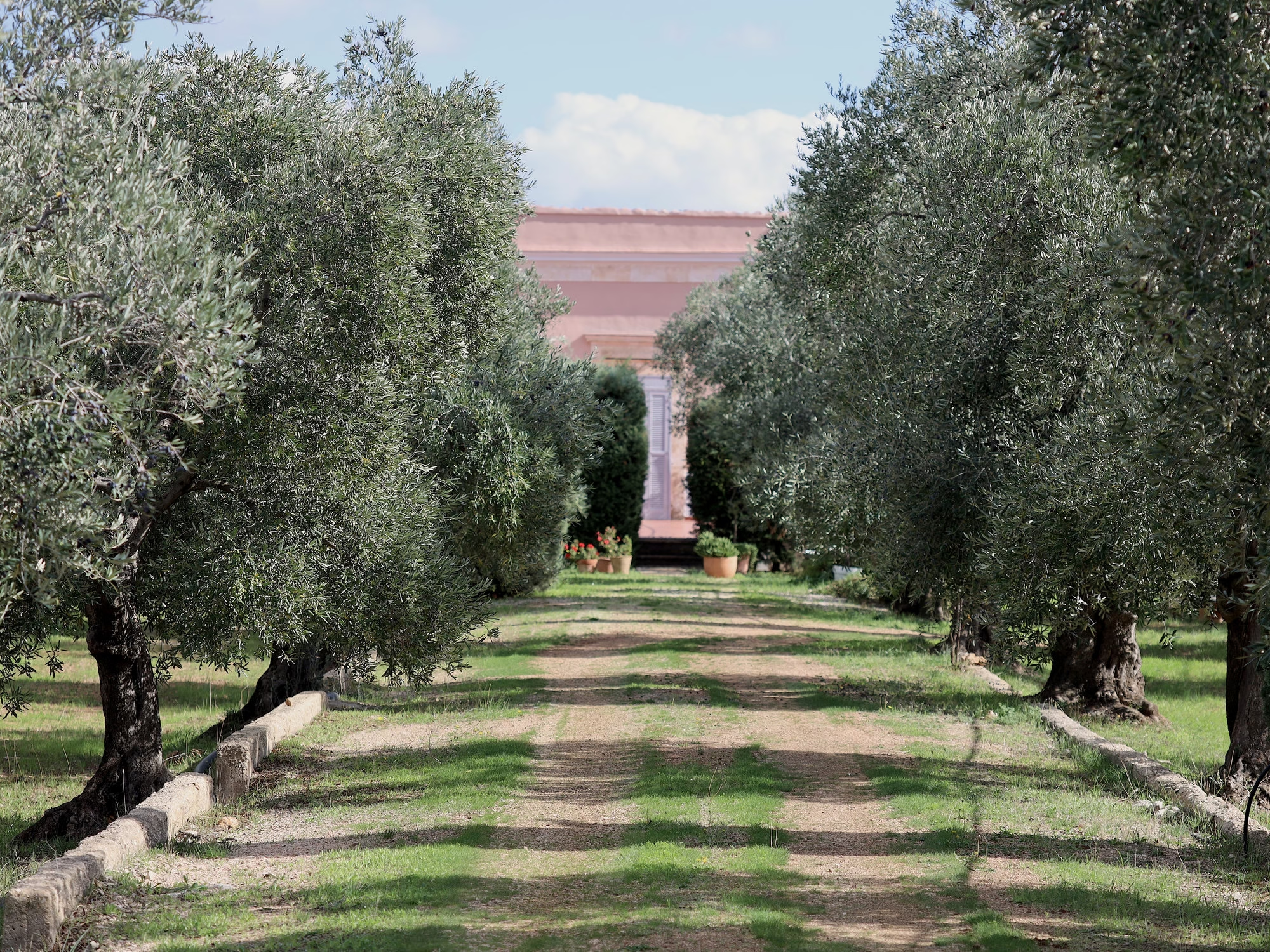
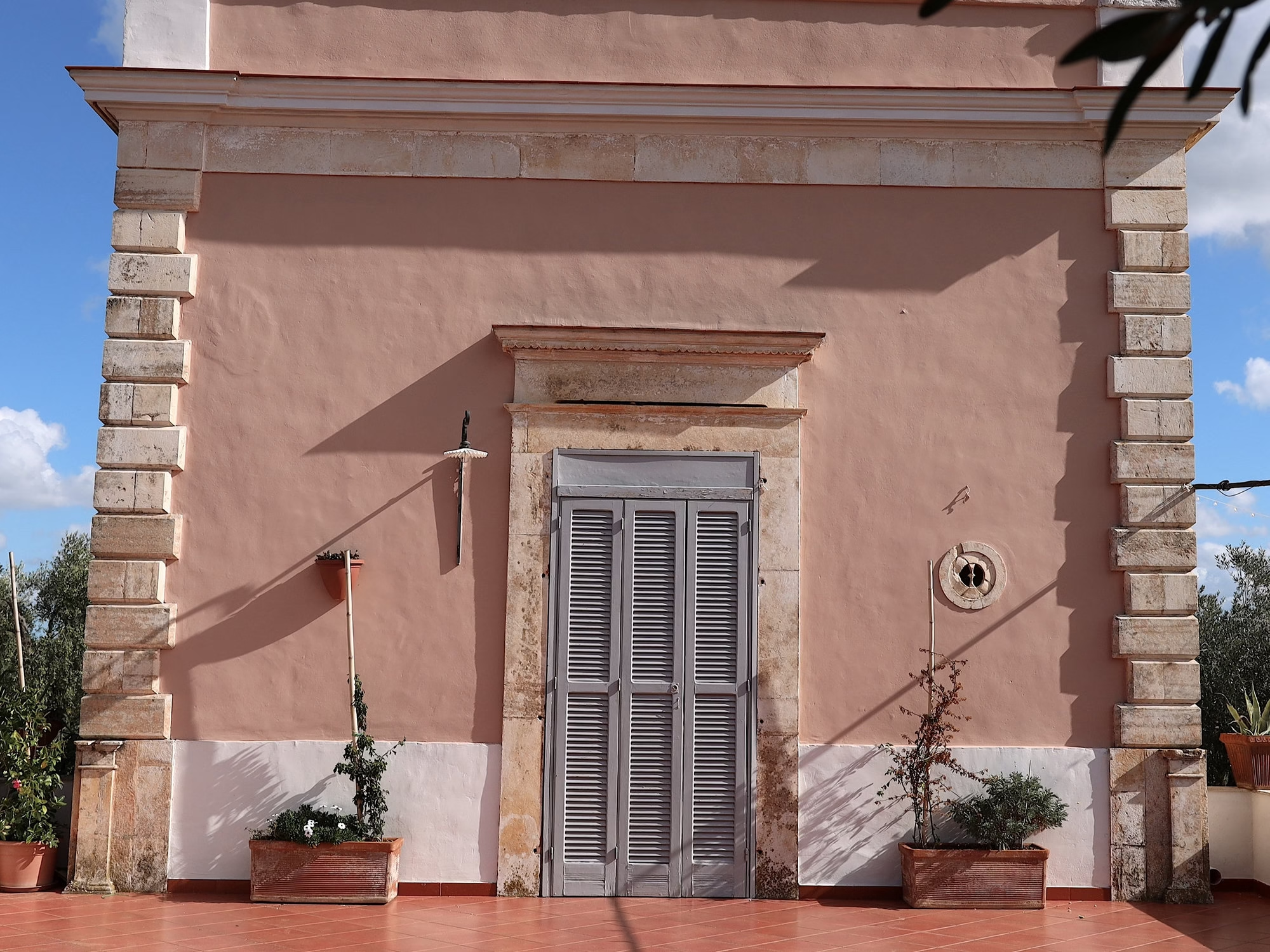
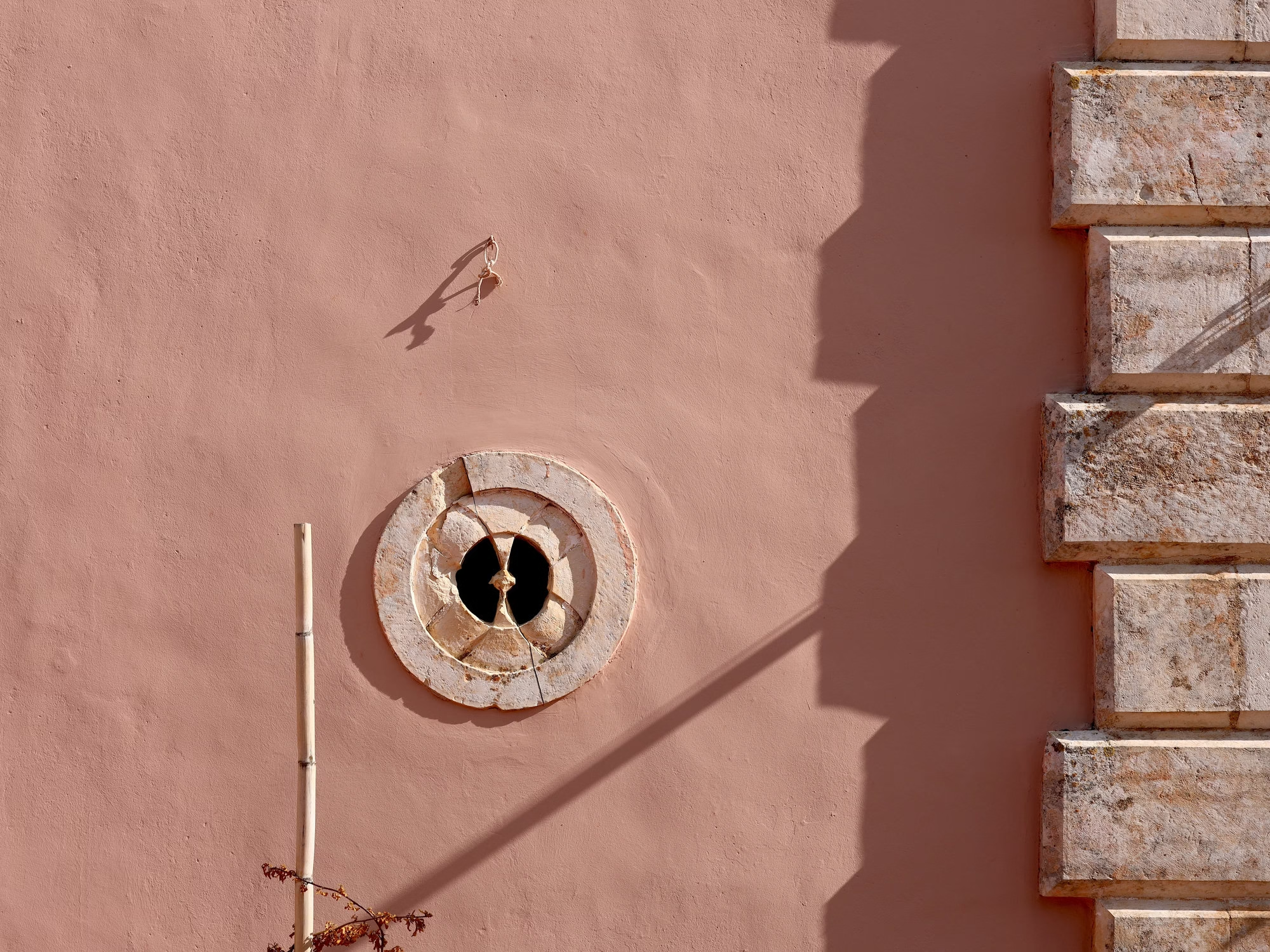
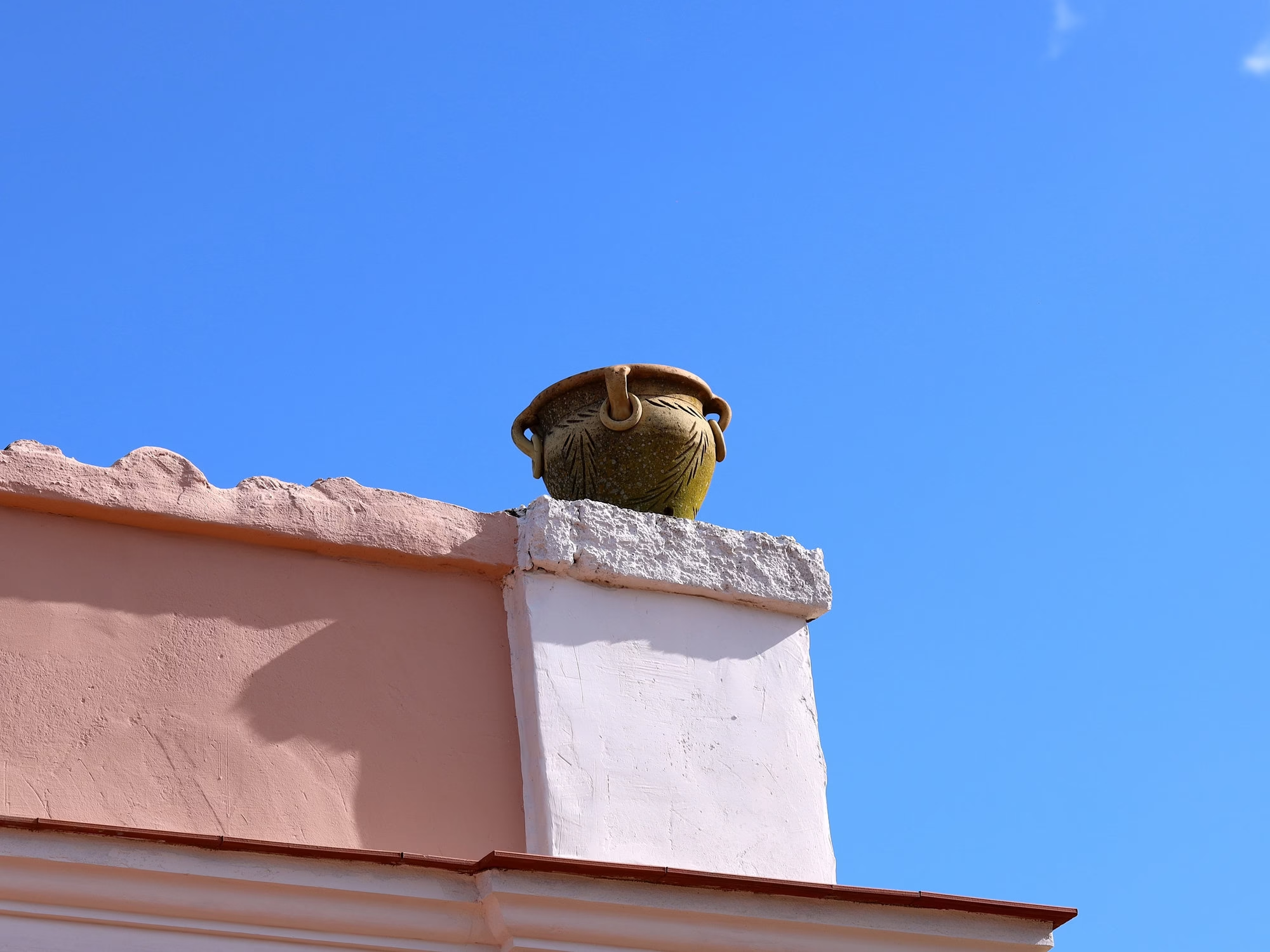
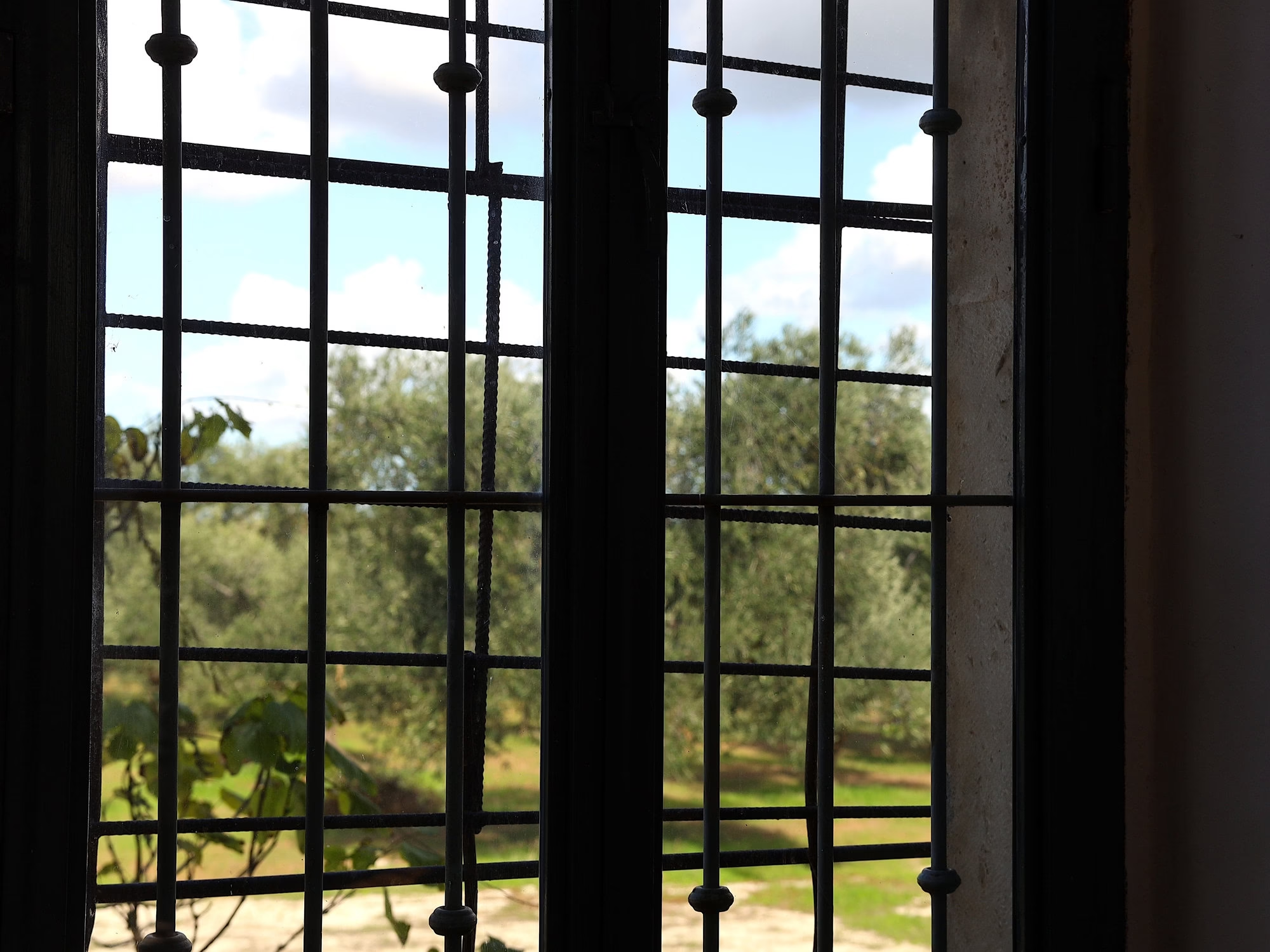
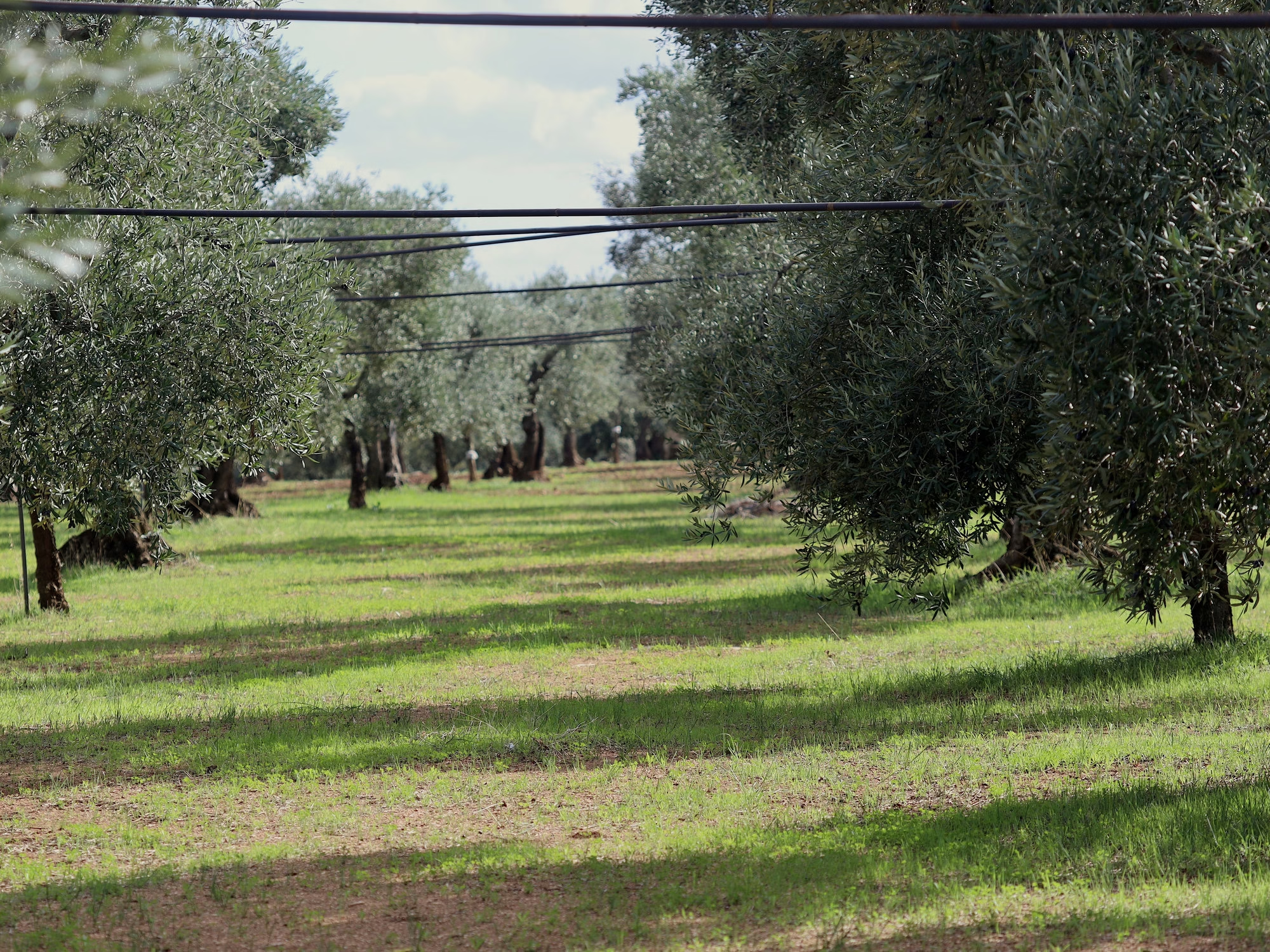
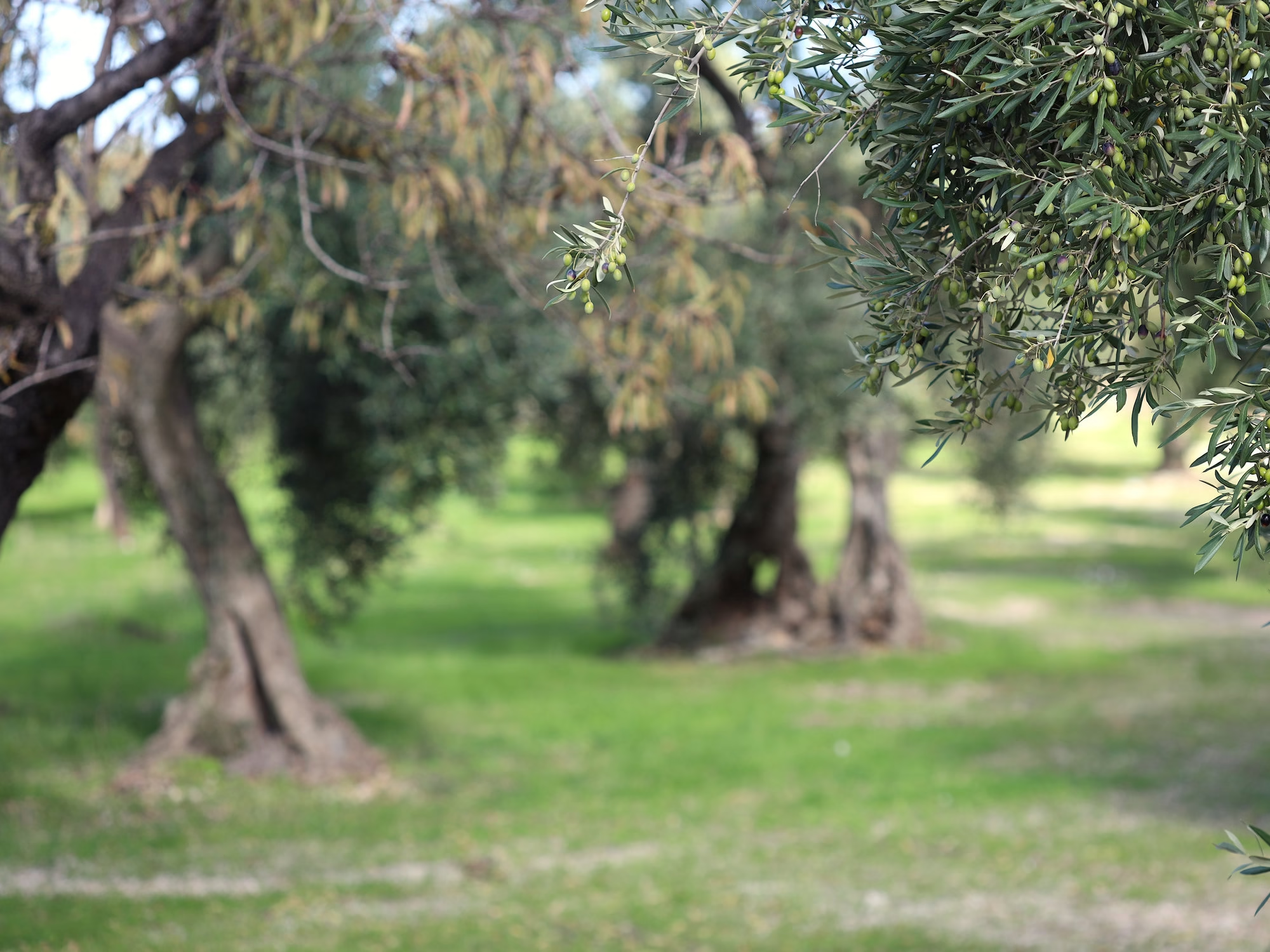
His summer residence was the small farmhouse which can be reached at the end of a long tree-lined drive. The sober and imposing building is perfectly in-keeping with the rural countryside of Puglia, surrounded by ancient olive and almond trees. There are two floors: the raised ground floor is reached by an external staircase and inside are two large vaulted rooms, used as the owner’s residence. The spacious and bright rooms hosted the family in the summer months, providing respite from the heat of the town. The basement functioned as storage for agricultural equipment and a wine cellar. An underground cistern guaranteed fresh water during the summer. At the back of the house was a stable with dry stone walls to house the animals necessary for country life. At the beginning of the 1900s, the heirs of Trerotoli surrendered the property to the D’Amato-Savino family, along with the surrounding land. The building thus changed but maintained its identity as a rural residence, strongly linked to the rhythms of the countryside. Today the house retains its original charm, not just as an example of 1800s rural architecture but as proof of changing times, of men and the choices they made.