Casina Di Giosa
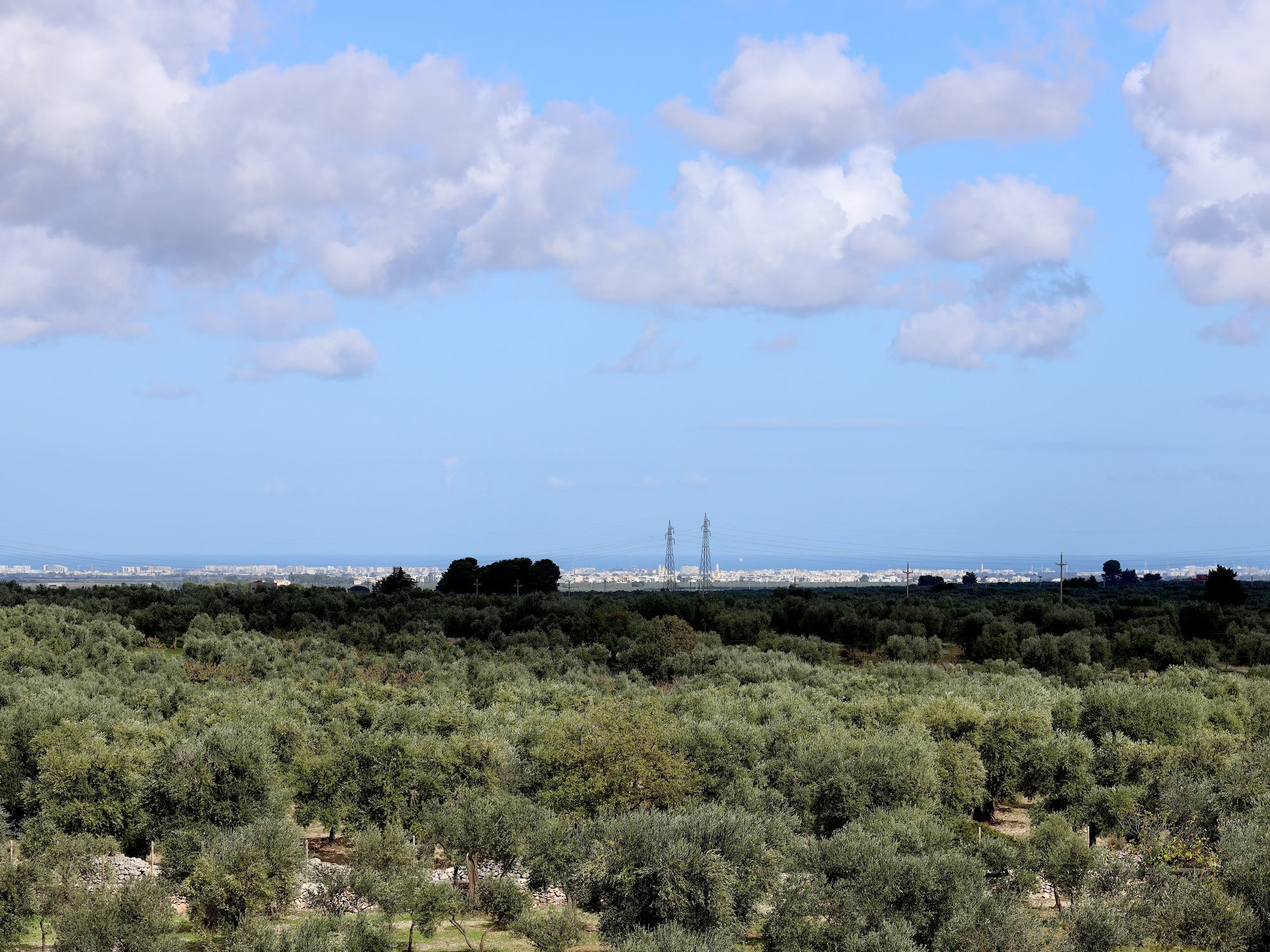
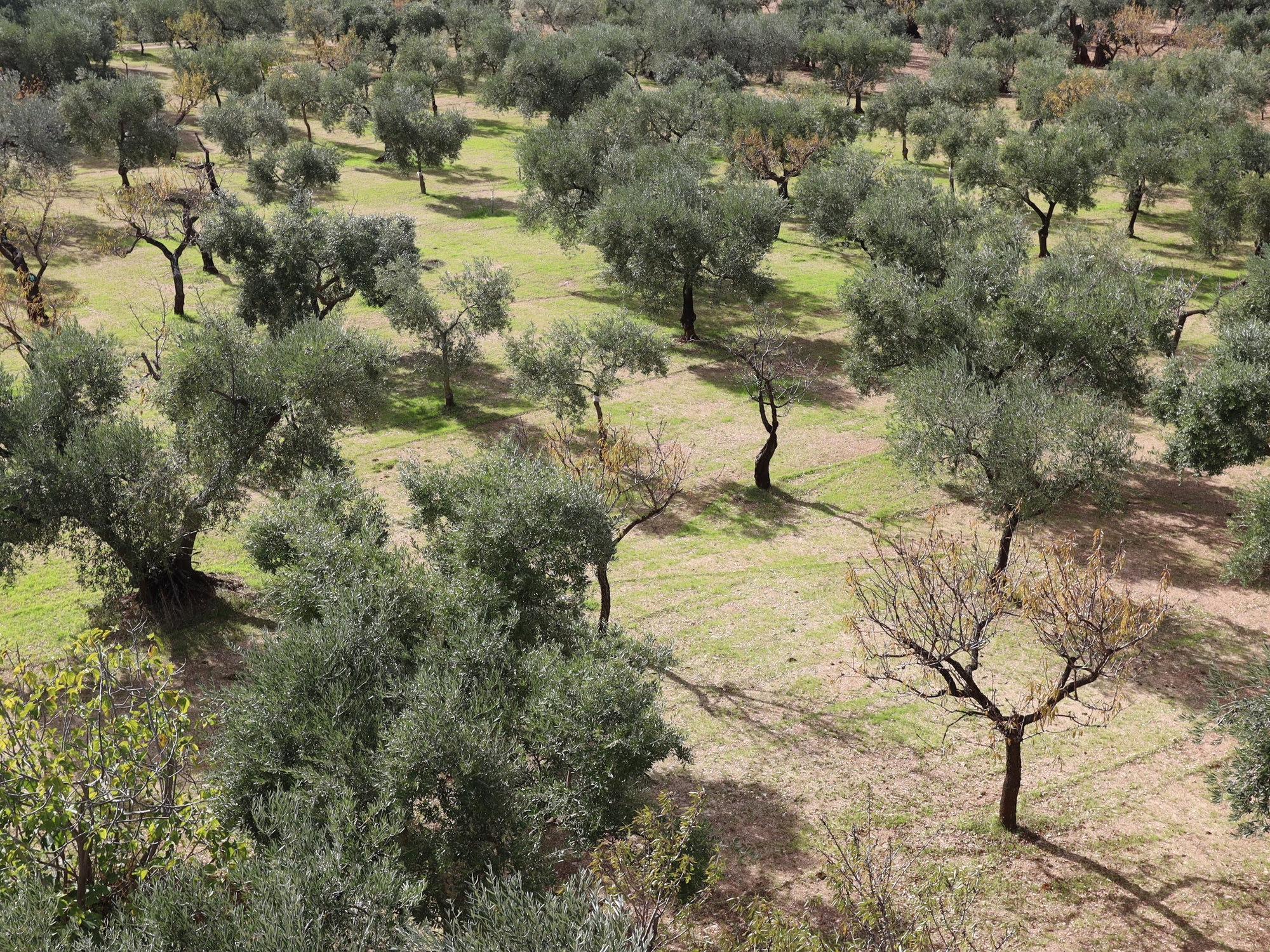
The Murgia hills near Bari have always followed the slow rhythmic pace of transhumance. Every year, when the first autumn breezes announced the end of summer, the shepherds led their flocks along the ancient grassy paths which snaked through the hills and valleys. There, among the stones and scrubby grass, the ancient ritual was followed of bringing the flocks to their winter refuge in Murgia and taking them to higher land in Abruzzo in spring. Farmhouses and “jazzi”, solid dry stone buildings, were built along these pathways, silent custodians of the shepherds’ work. This small building is one of these such places, specially built for the transhumance of the animals from Altamura and Gravina. Over time it was transformed, from being a simple stable and shelter it became a place of peace, home to a community of nuns.
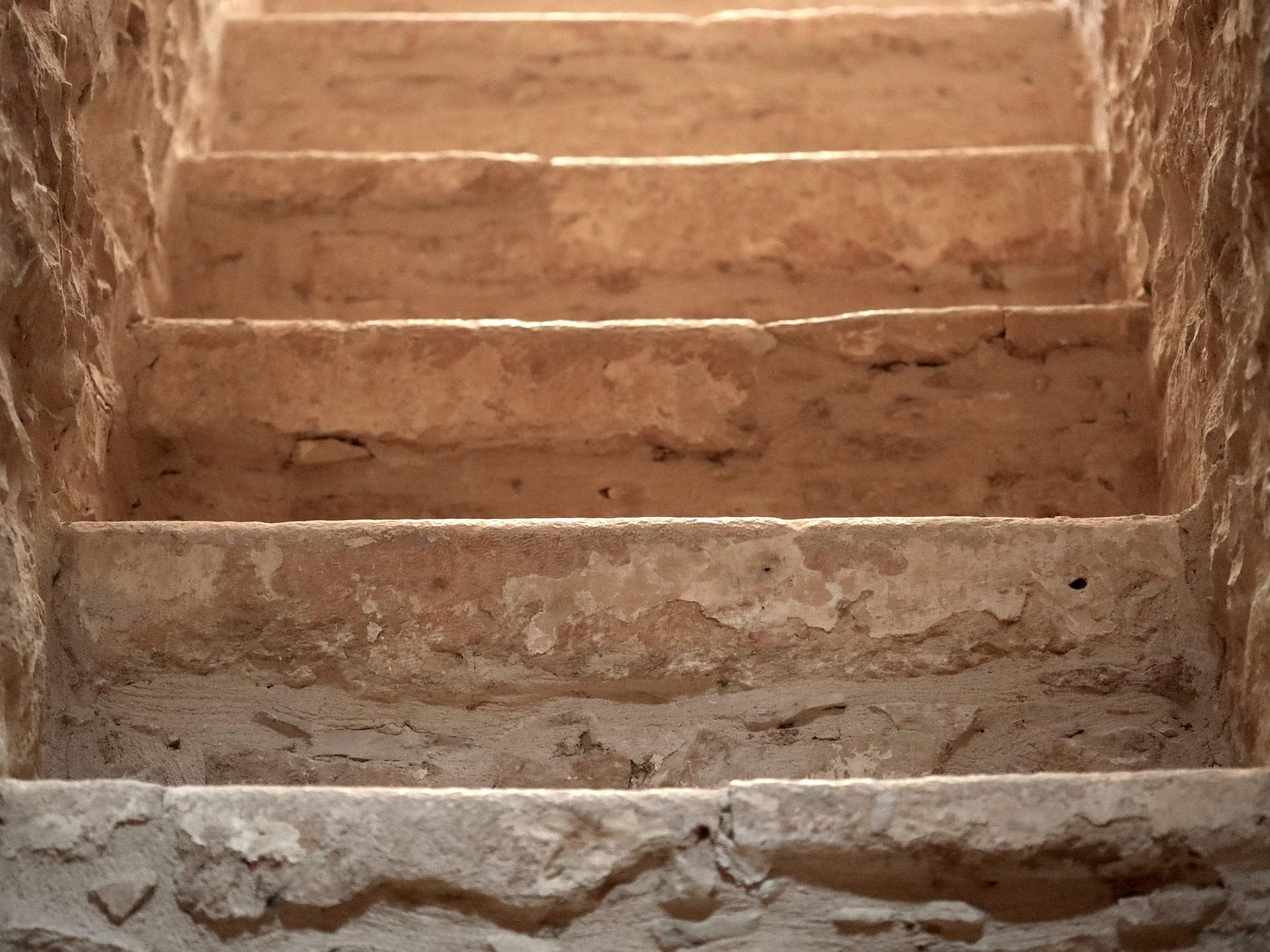
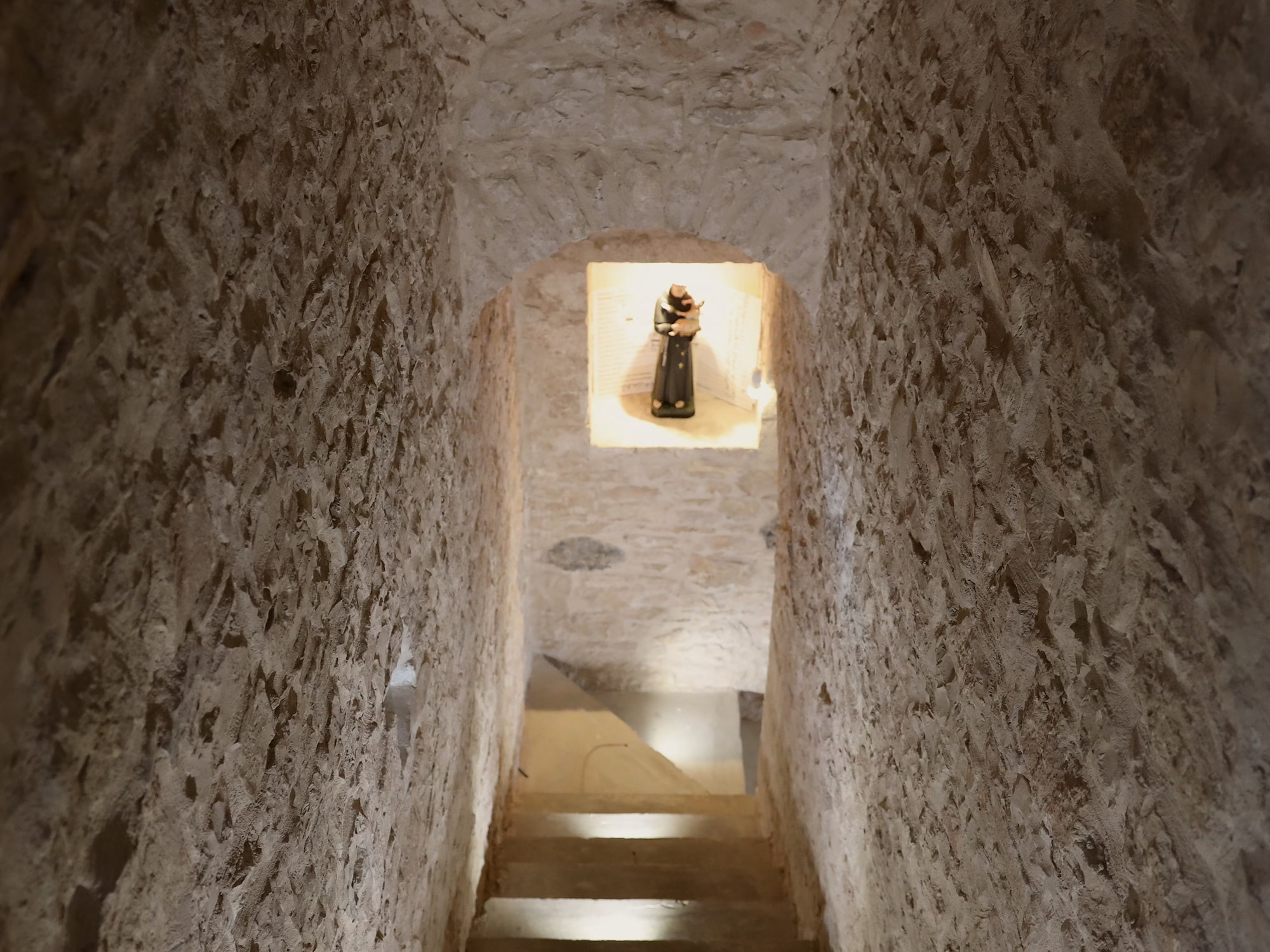
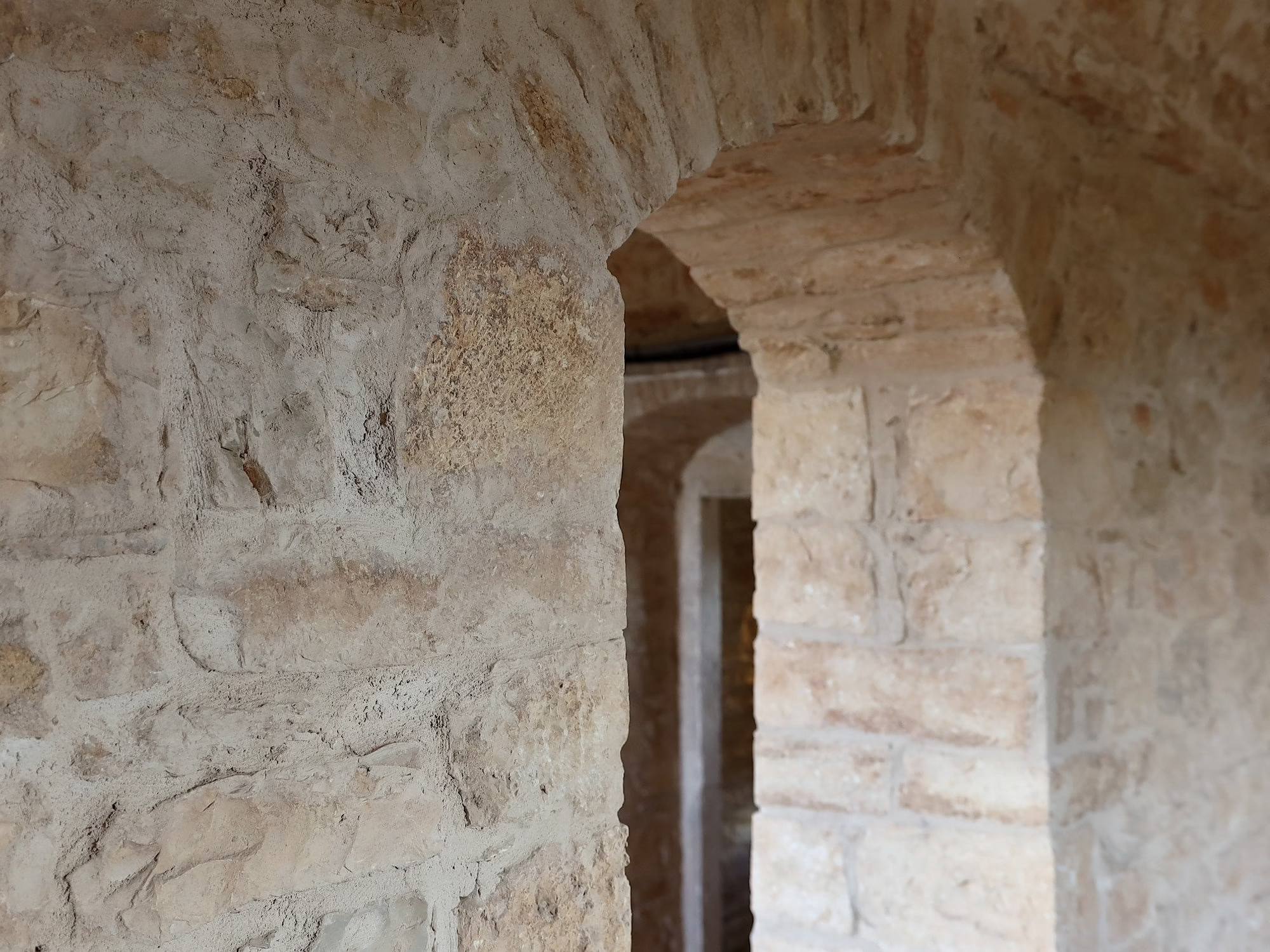
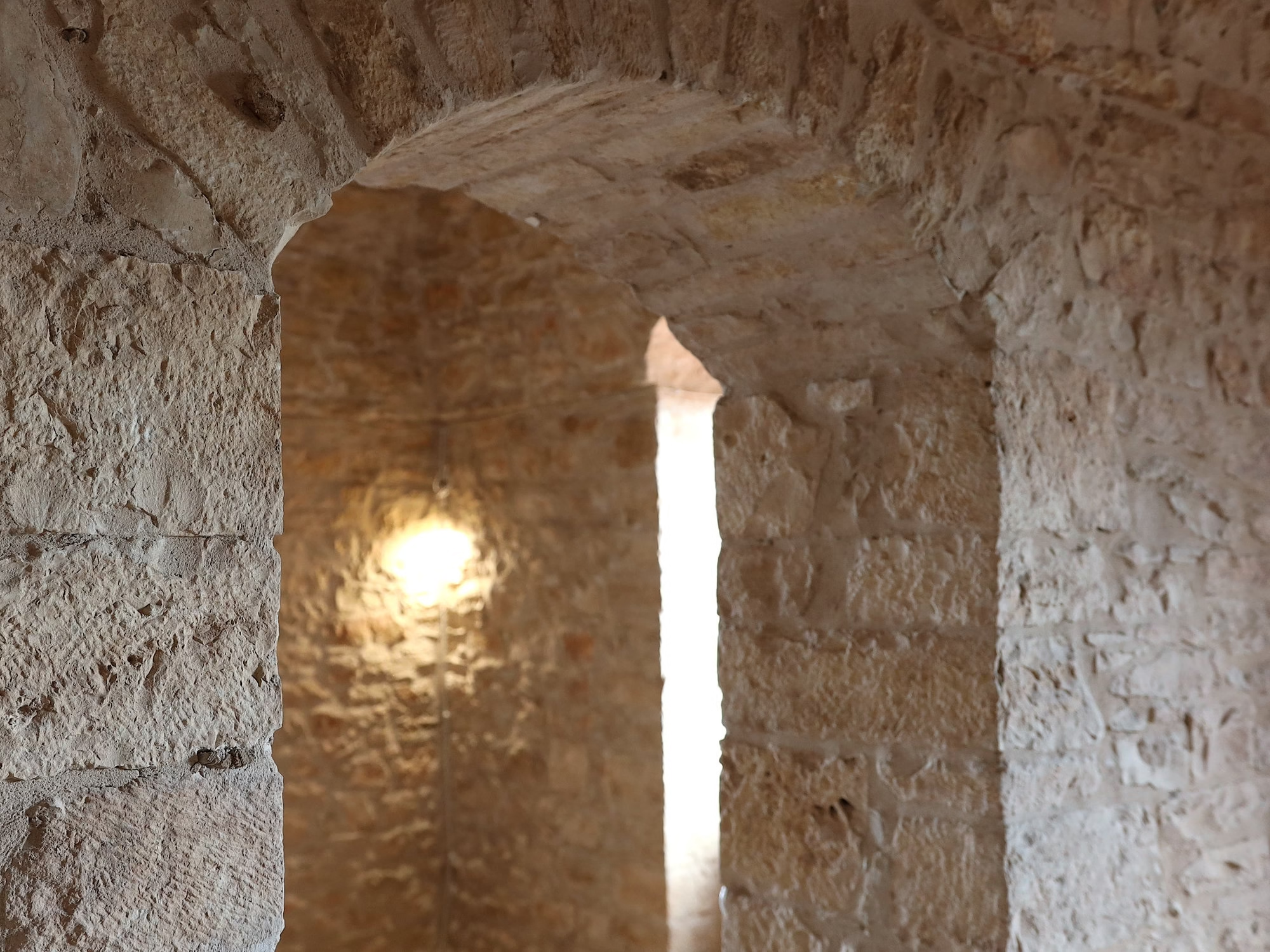
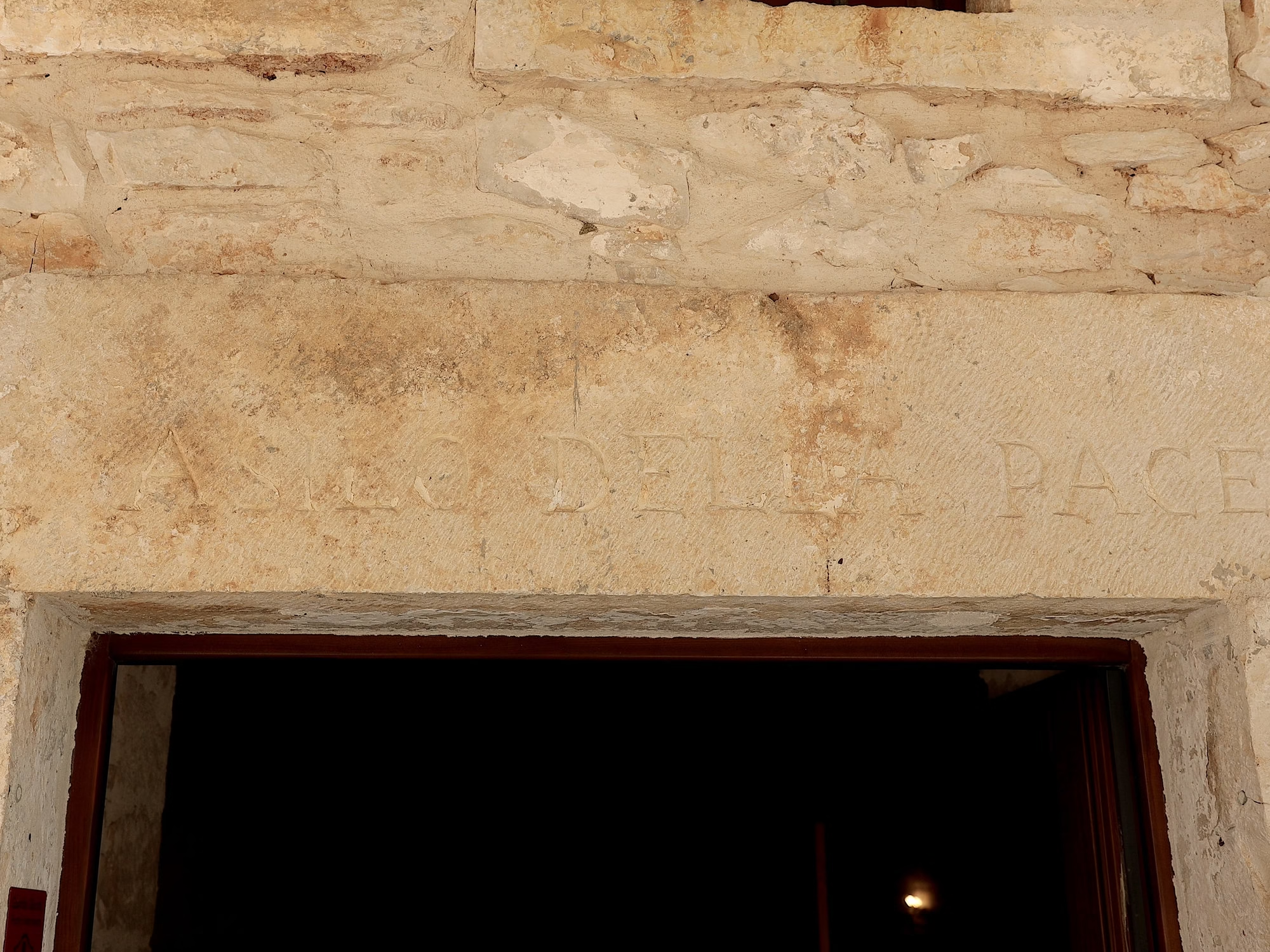
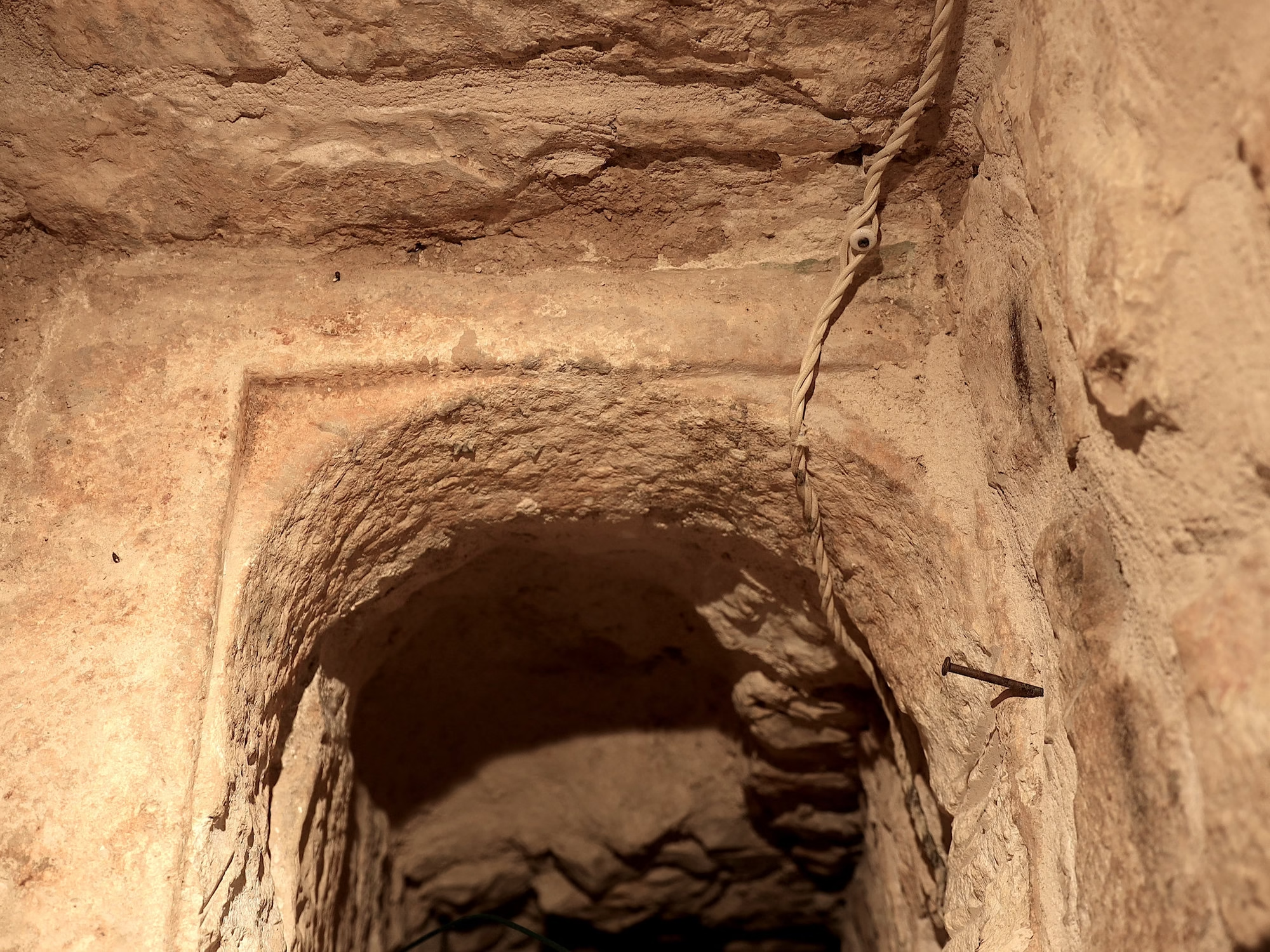
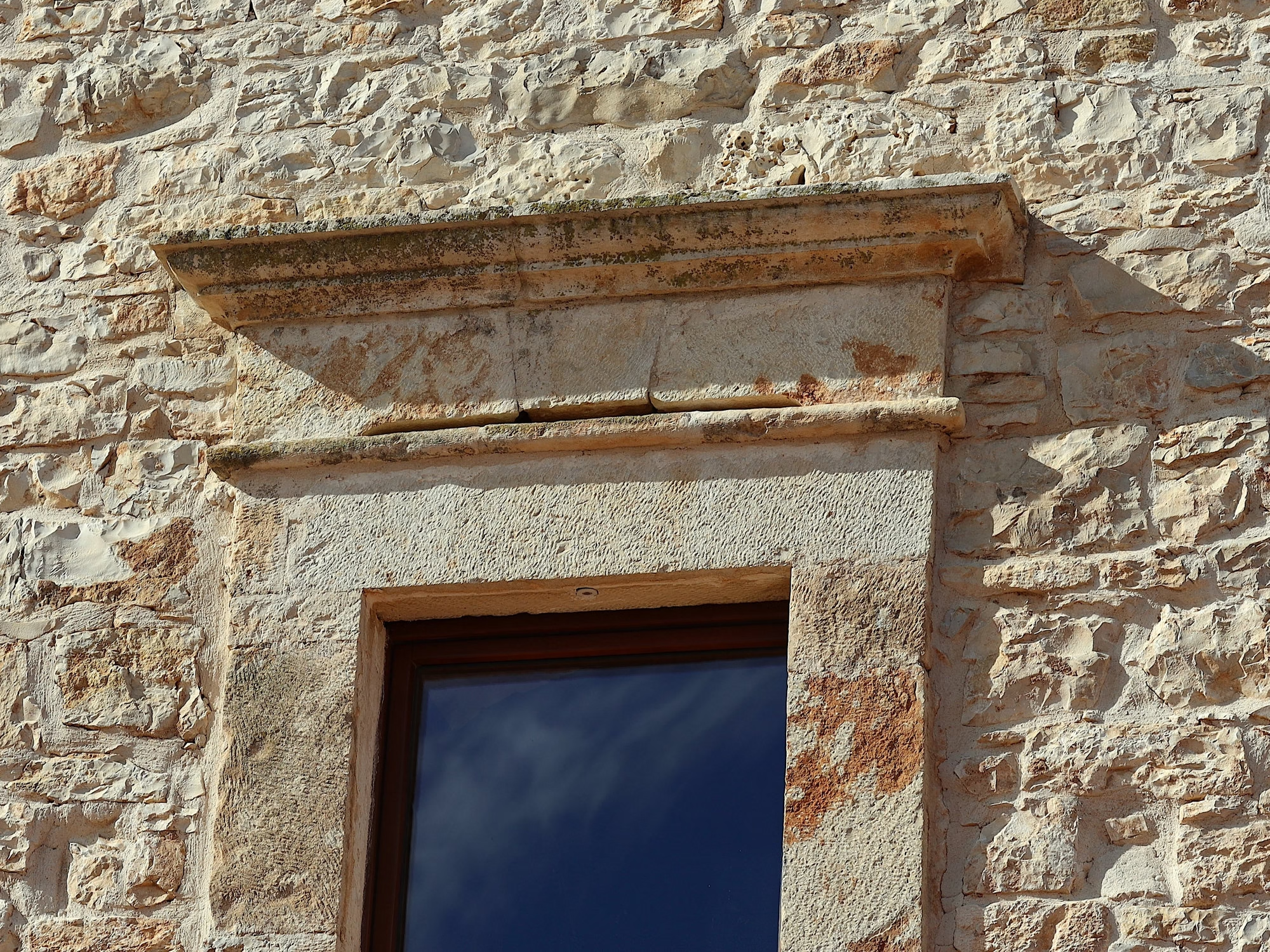
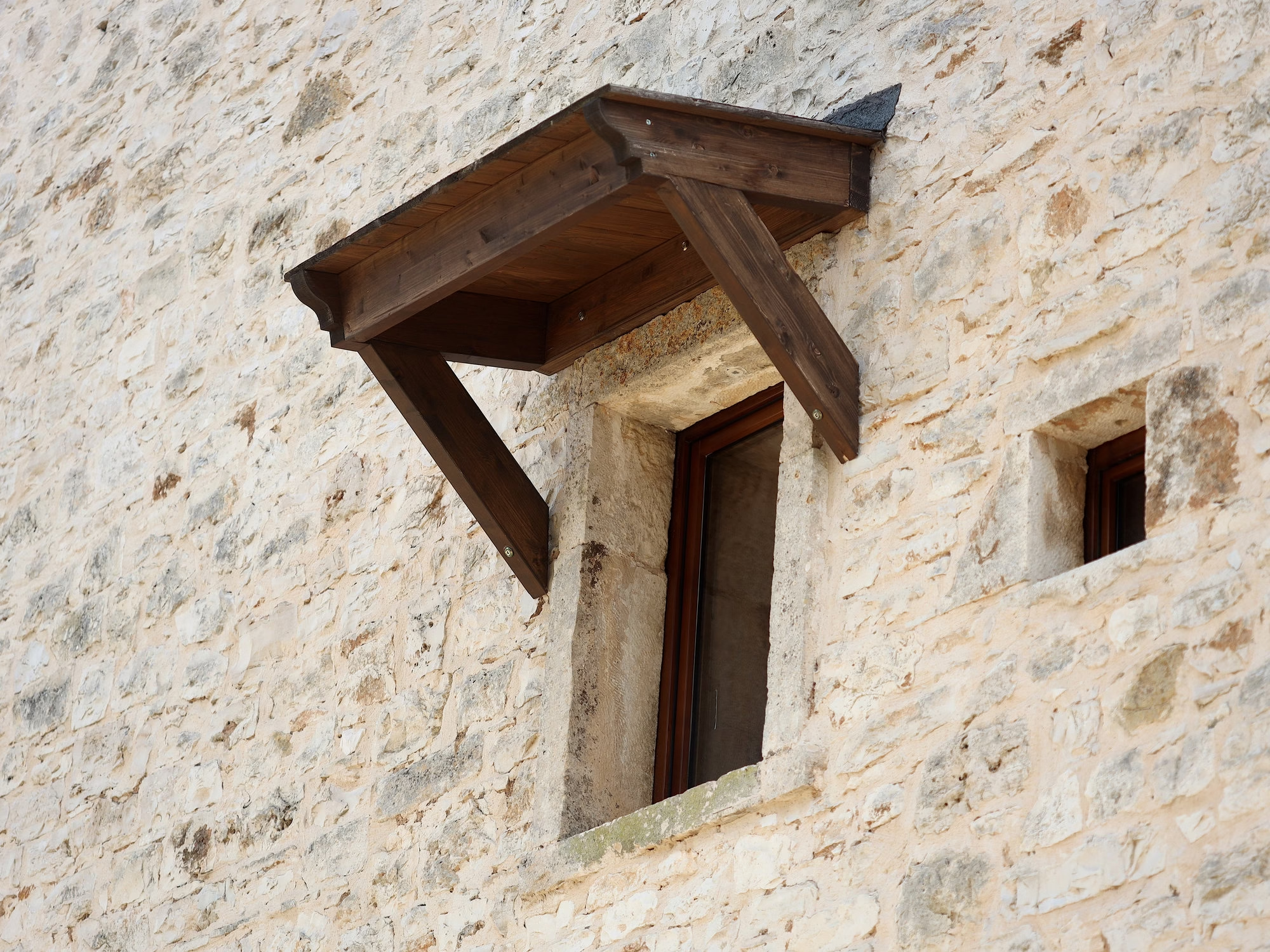
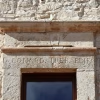
On the beams of the door “Asilo della Pace” (refuge of peace) can still be read, the sign of the passage from earthly labour to spirituality, from work to silent contemplation. Built between the 18th and 19th centuries, the building carries the name of Leonardo Trerotoli in a Latin inscription on the first floor window. The ashlar and bush-hammered stones give an impression of solidity. The cloister vaults, the spacious terrace and the inside well for collecting rain water complete the picture of a building that was both functional and elegant. The name Leopardo can be linked to a family with roots in Campania, the Trerotoli family moved to Grumo Appula in the 1700s. Today, the house belongs to the brothers Savino and Michele Di Giosa and it continues to be a testament to various stories: the passage of flocks, the devotion of the nuns, the wisdom of the builders. Amid the stone and the wind of Murgia, it continues to represent a place of labour and faith.