
Casale Spano
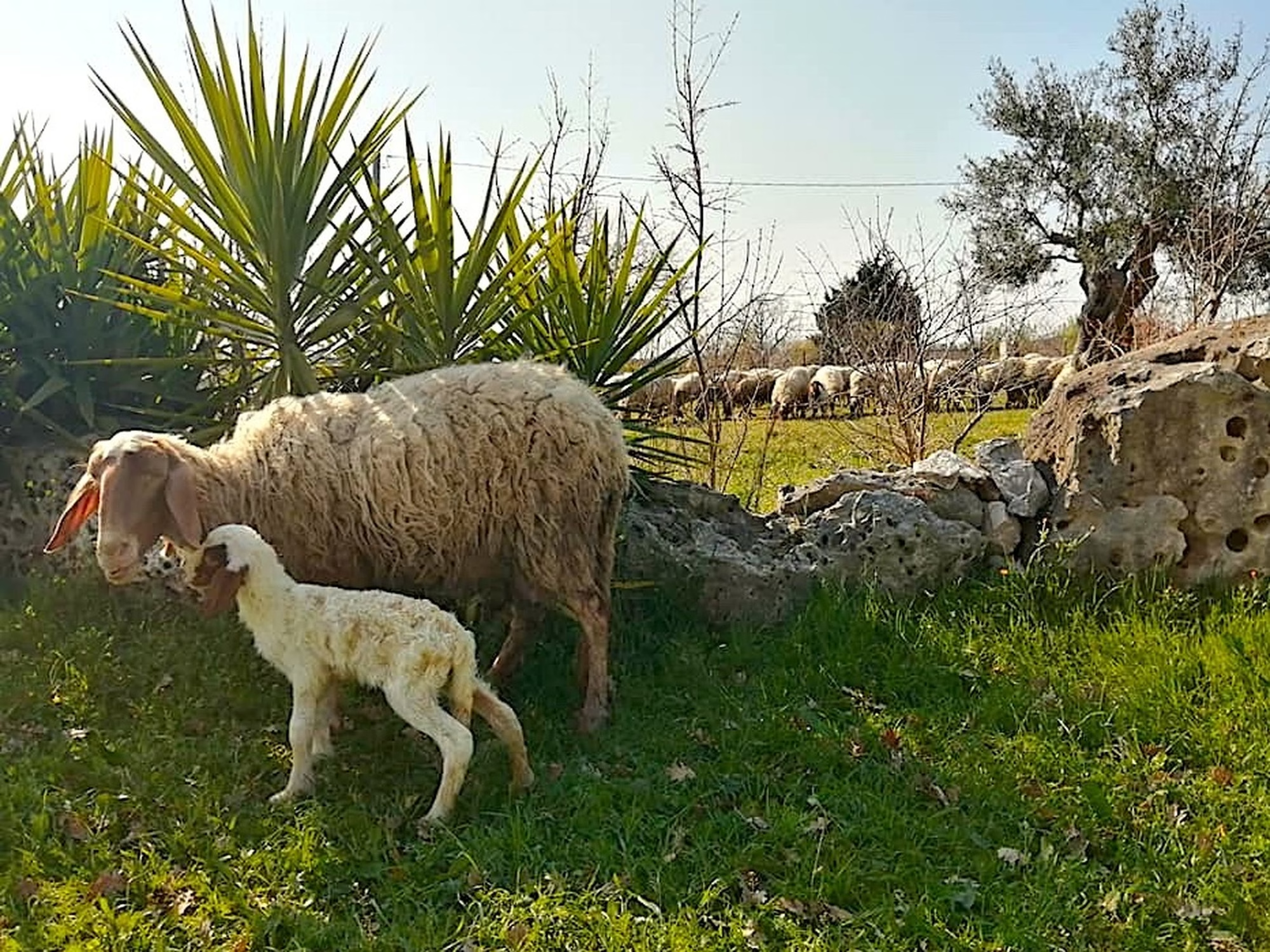
These hills have many stories to tell. Brigands found refuge in the woods of broadleaf trees, and much earlier still, Hannibal was here with his soldiers after the battle of Canne. In hunger-stricken post-war Puglia, Leonardo and Elisabetta Spano inherited from their father Vito an old farmhouse. It was little more than a ruin: the walls were crumbling, the stone blackened by time, and the old cistern was full of rocks and branches. For Leonardo though, this house was not a ruin, it symbolised his roots, memories and the promise of a future. It is said that he knew the sky like an old shepherd, he would foresee rain by watching the flight of swallows and he cured his sheep with grasses gathered between the rocks. For this reason, people called him “Ba Lanard, uomo forte tra gli uomini” (Leonardo, strong man among men).
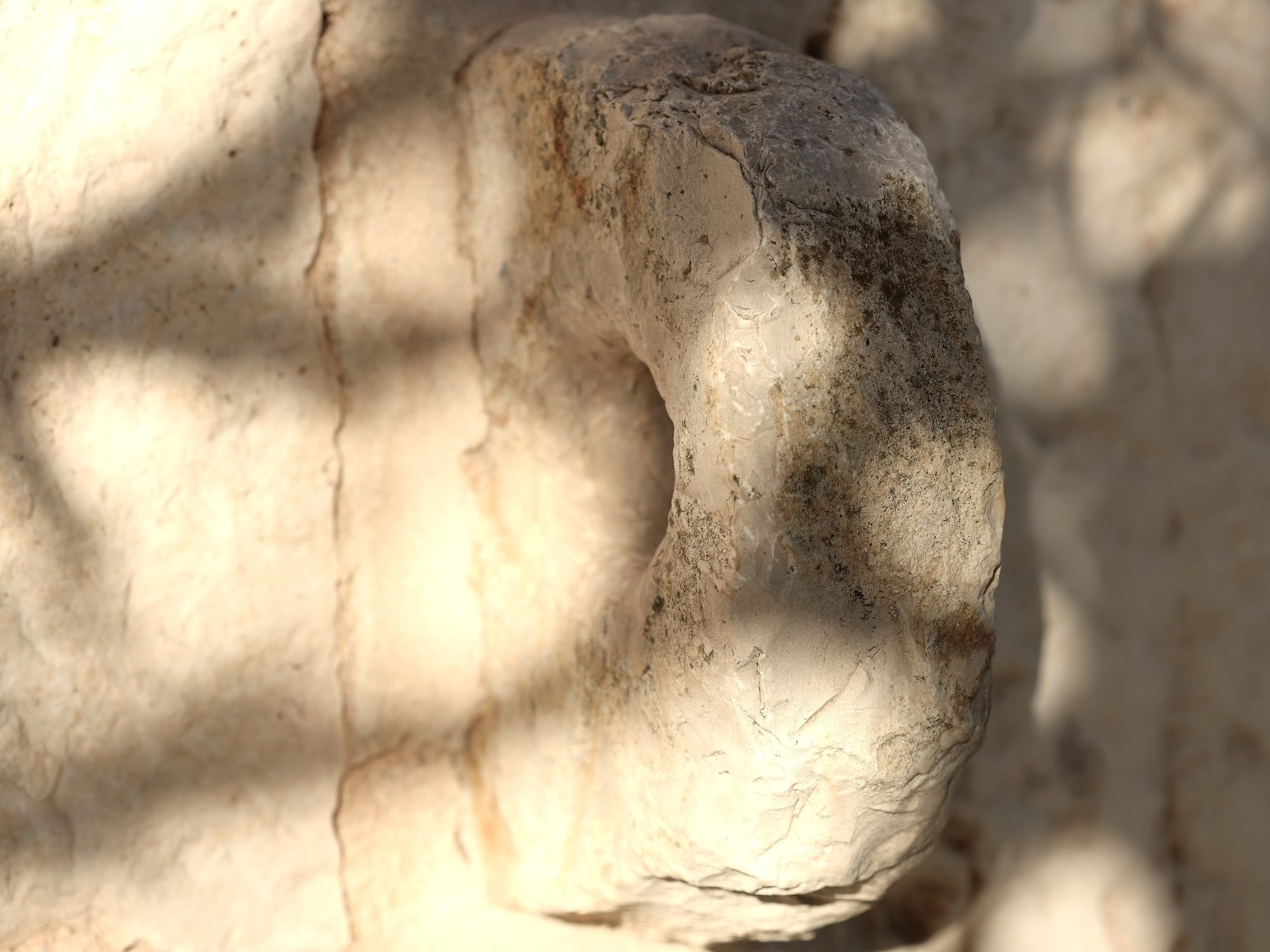
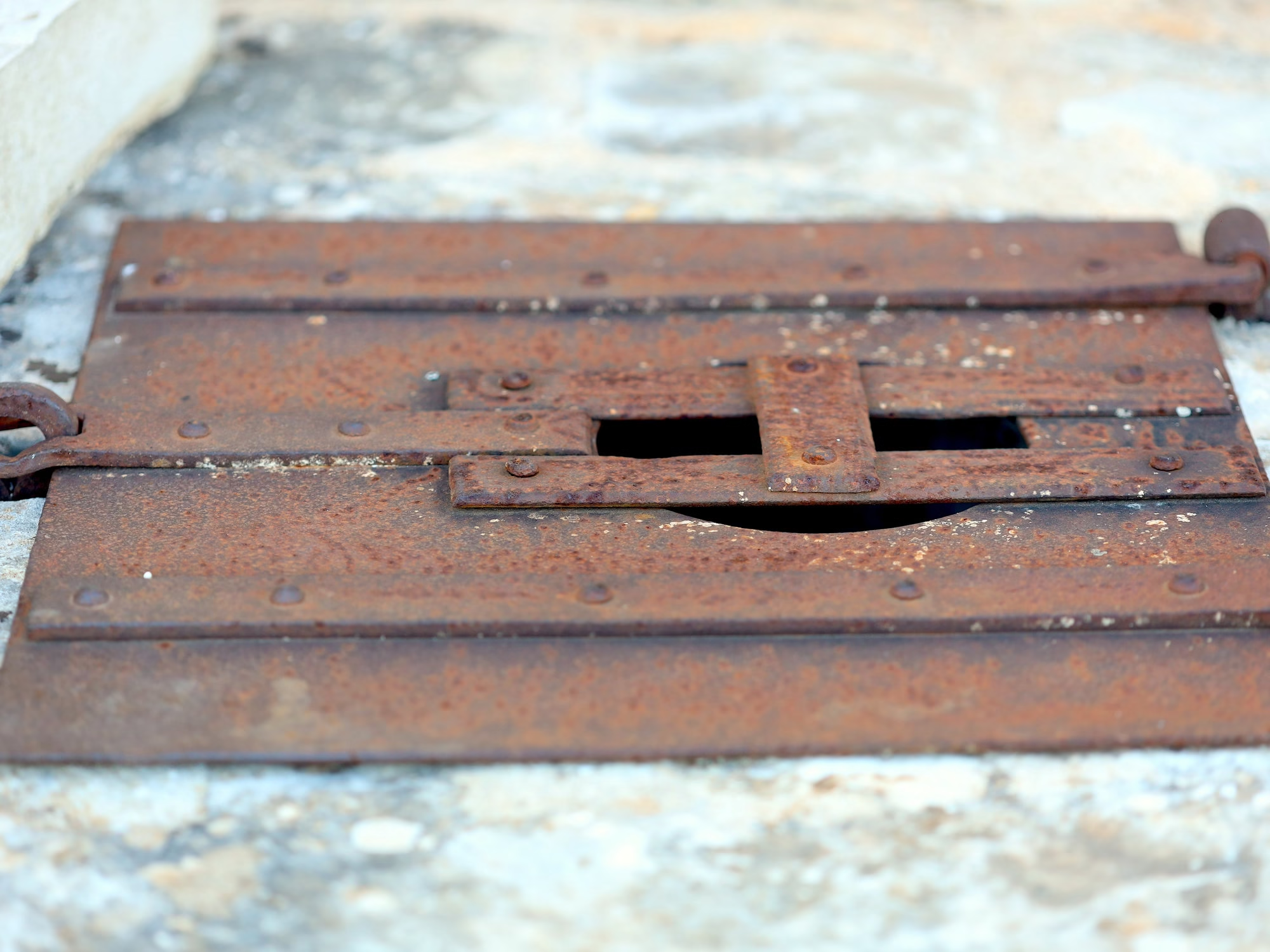
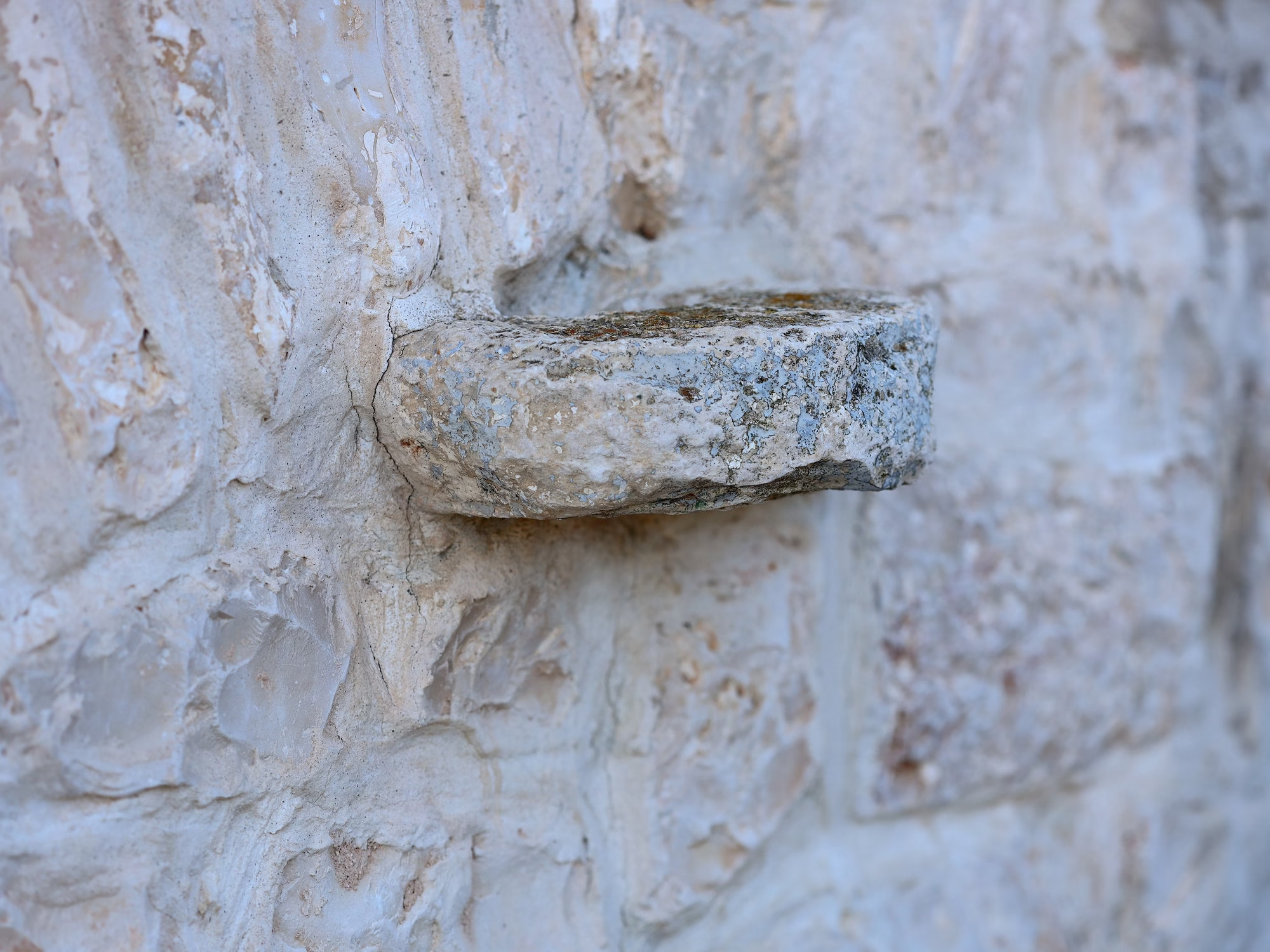
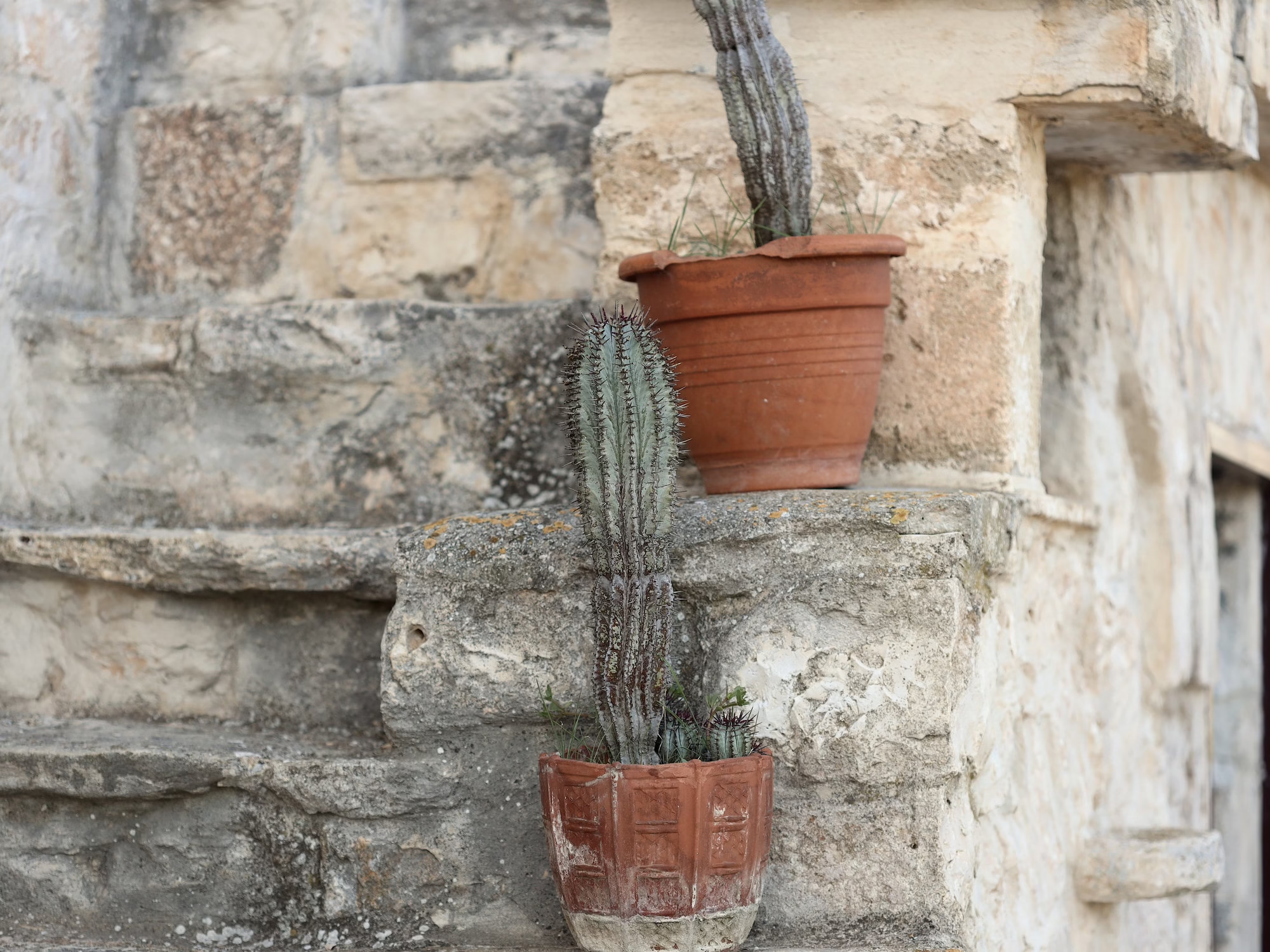
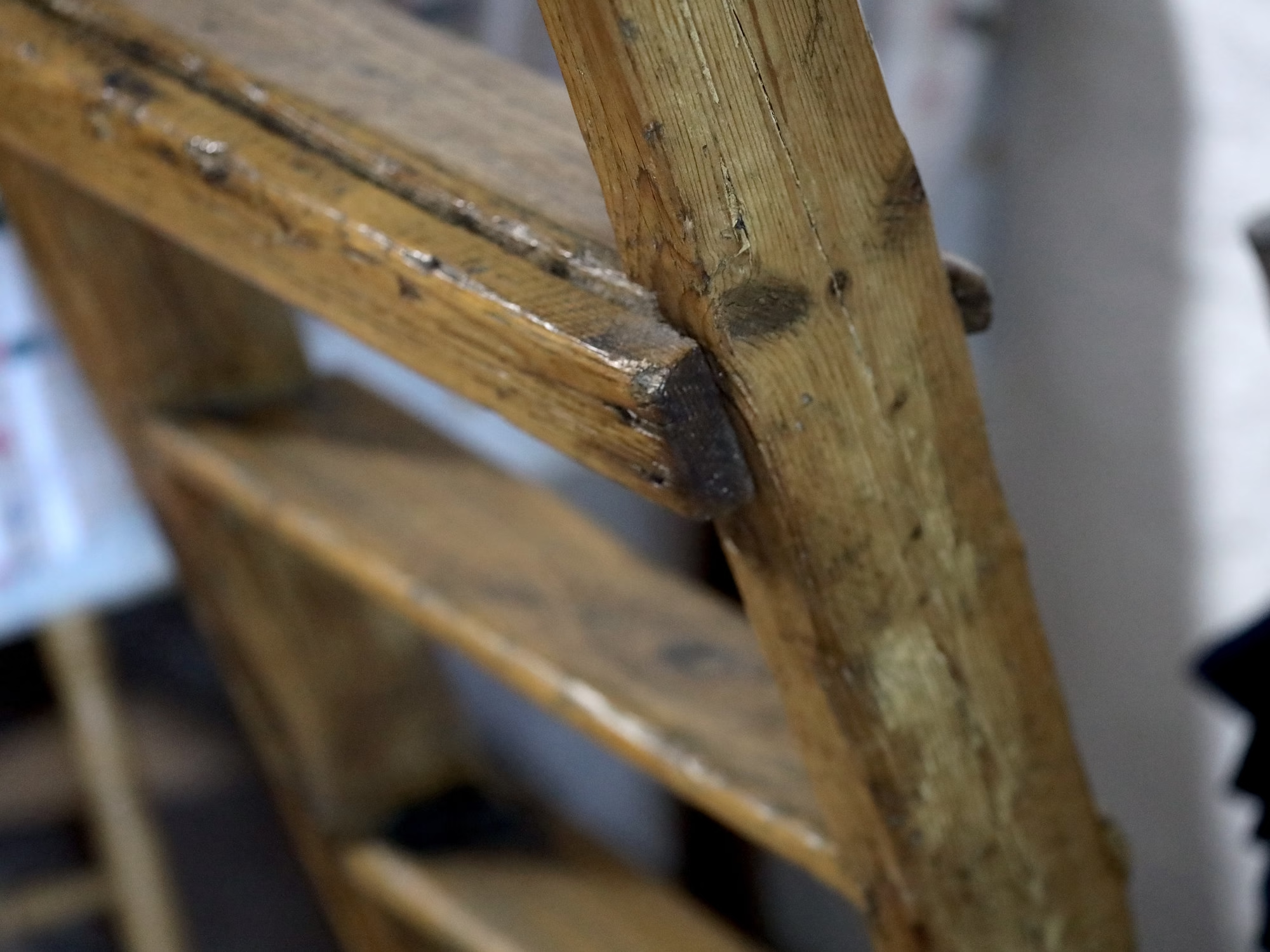
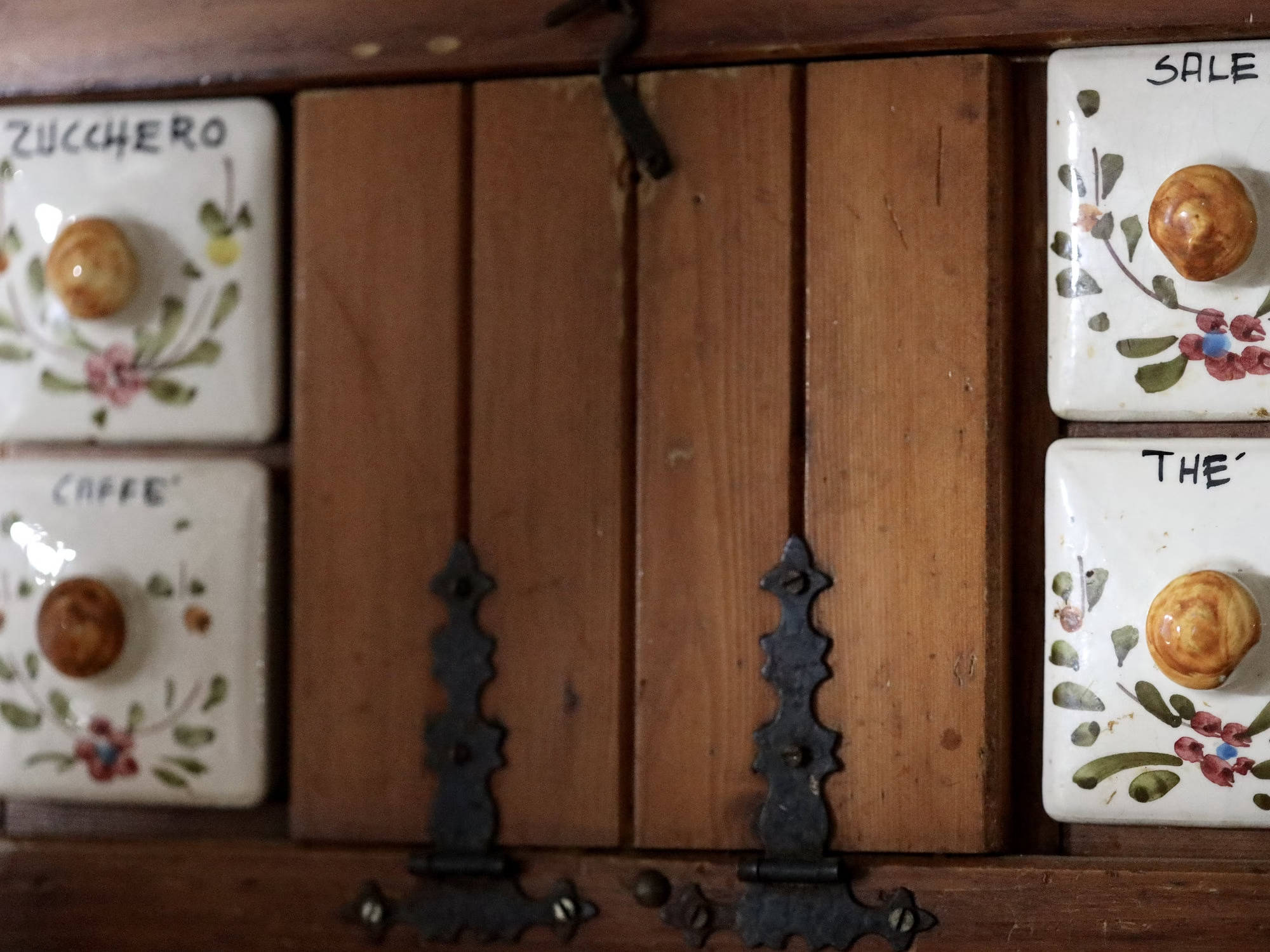
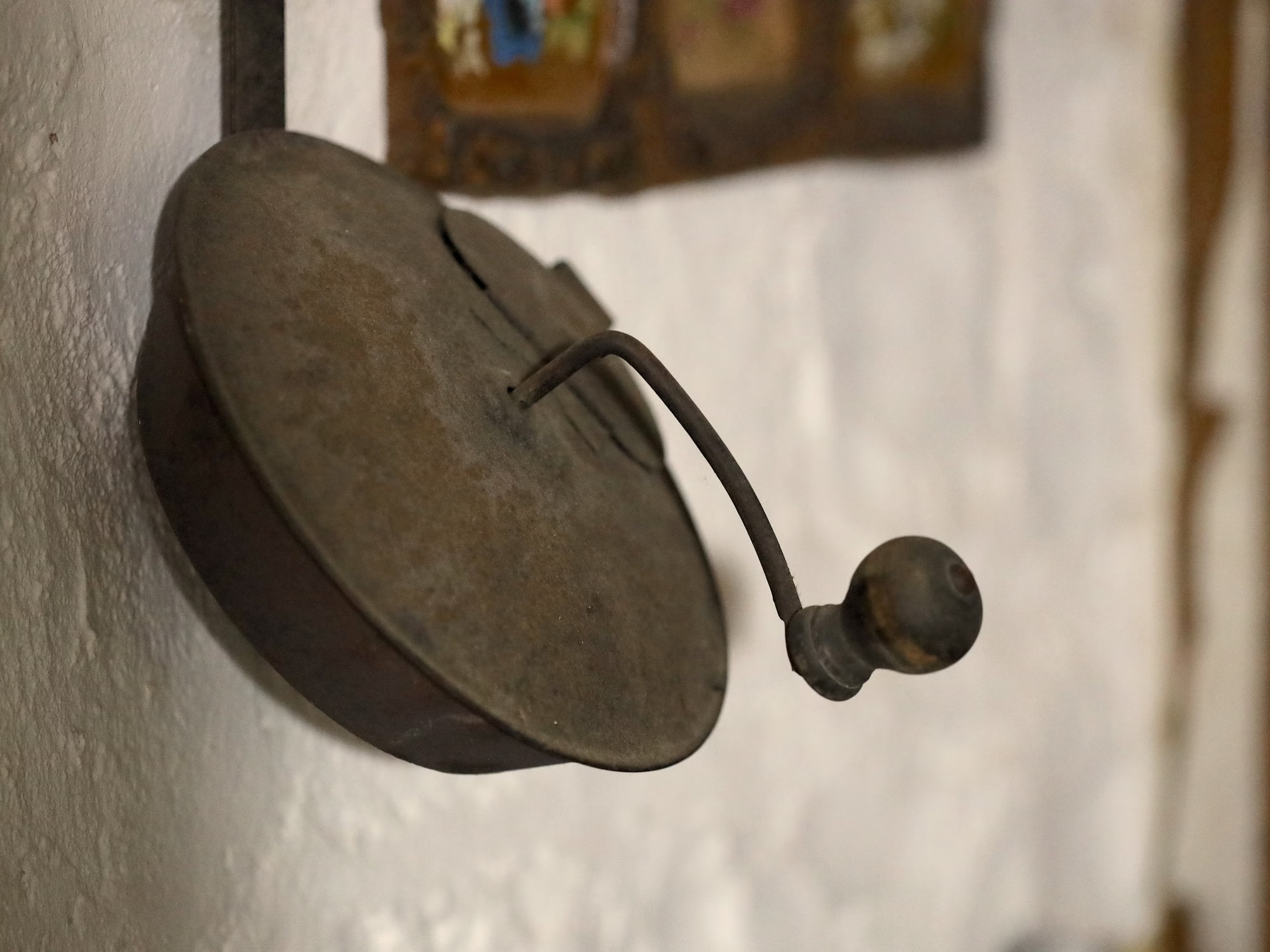
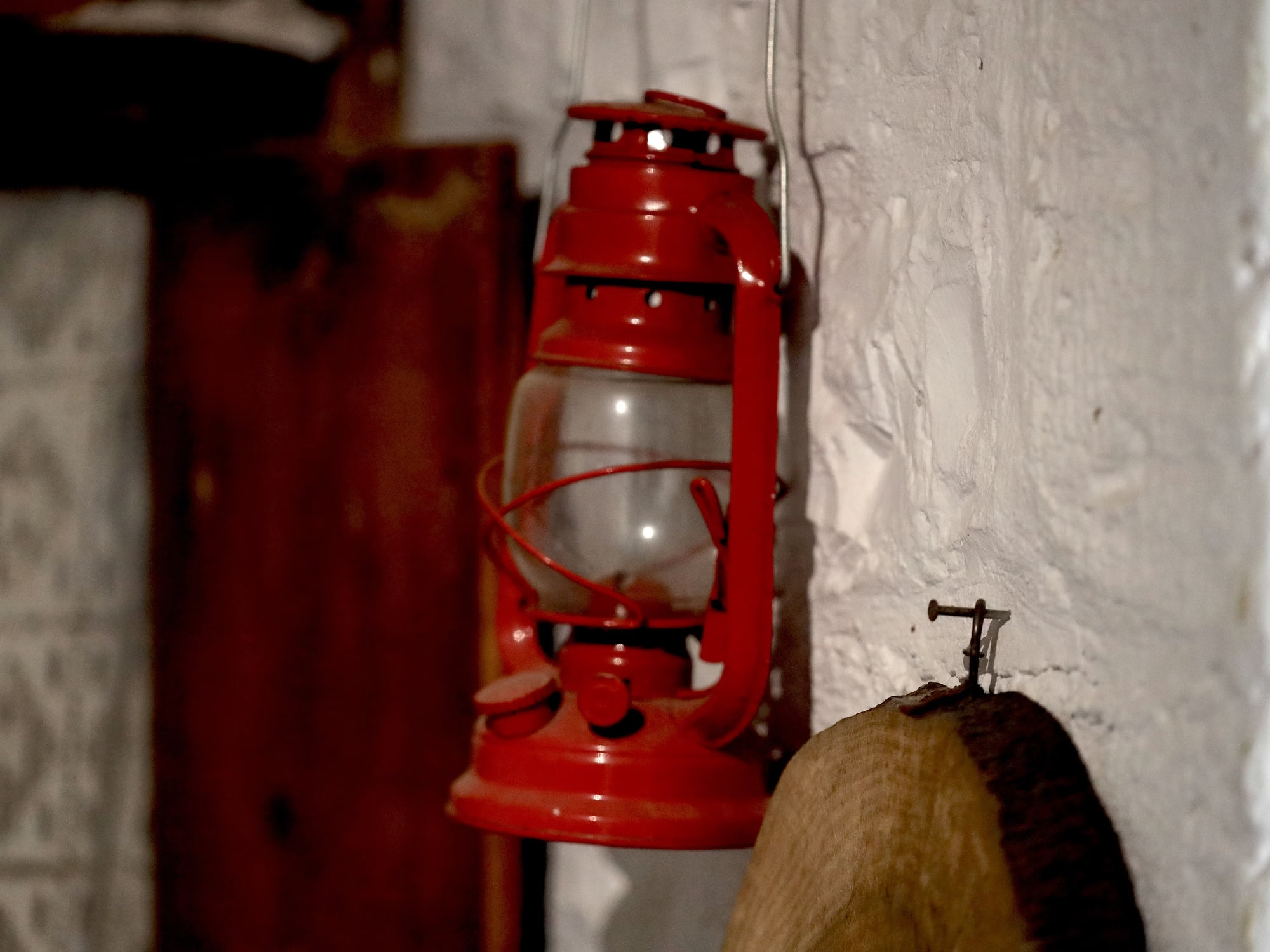
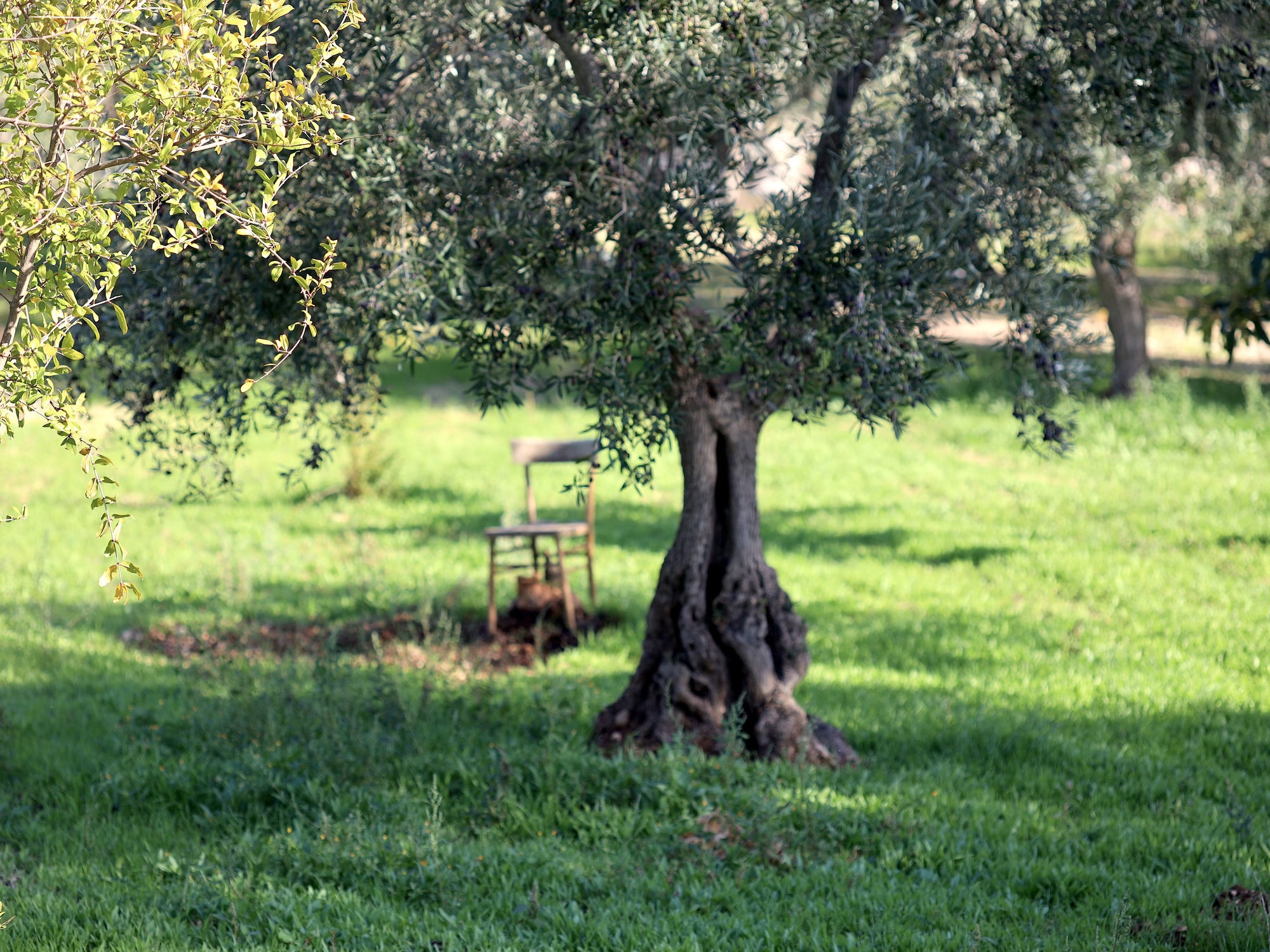
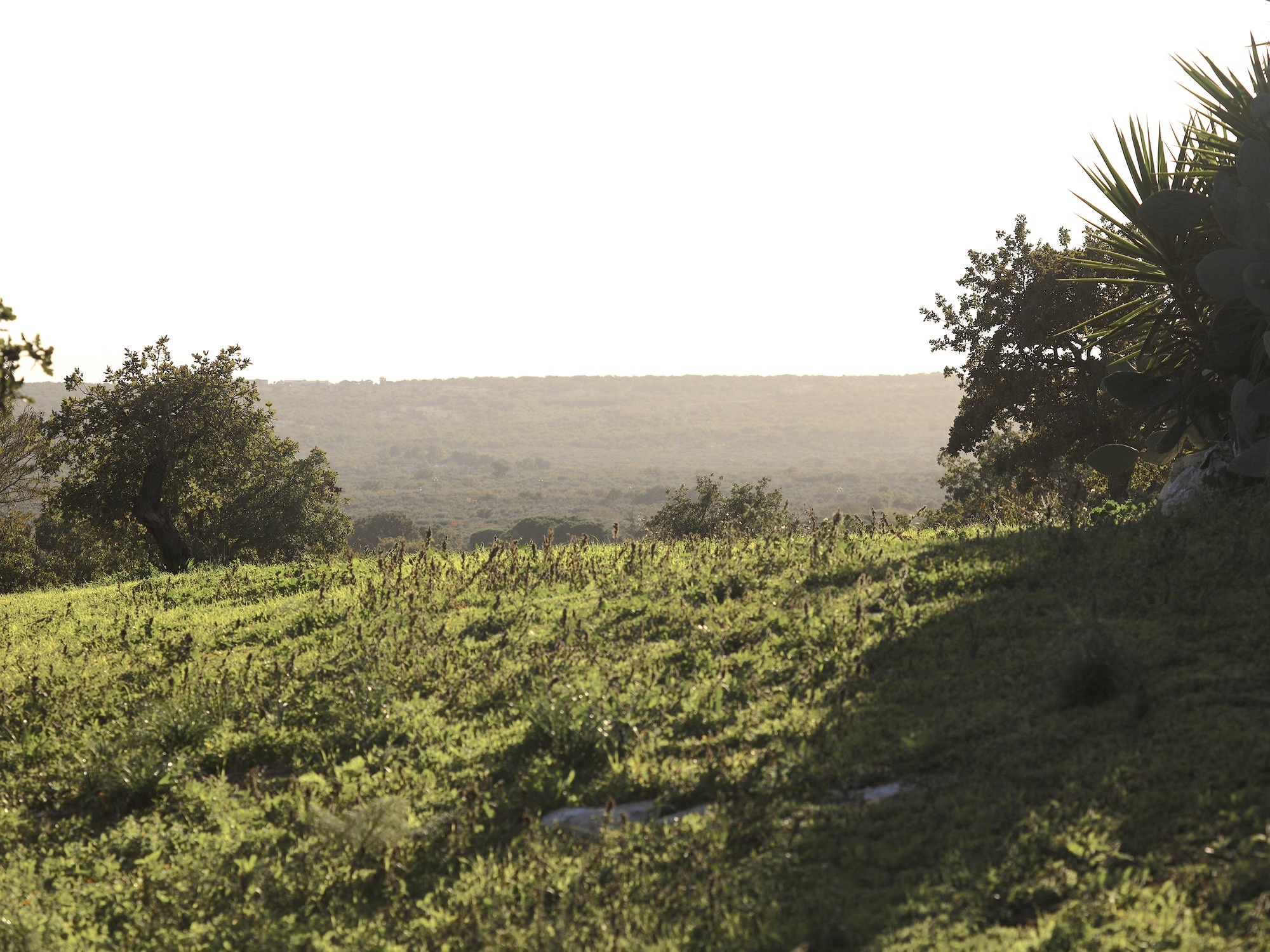
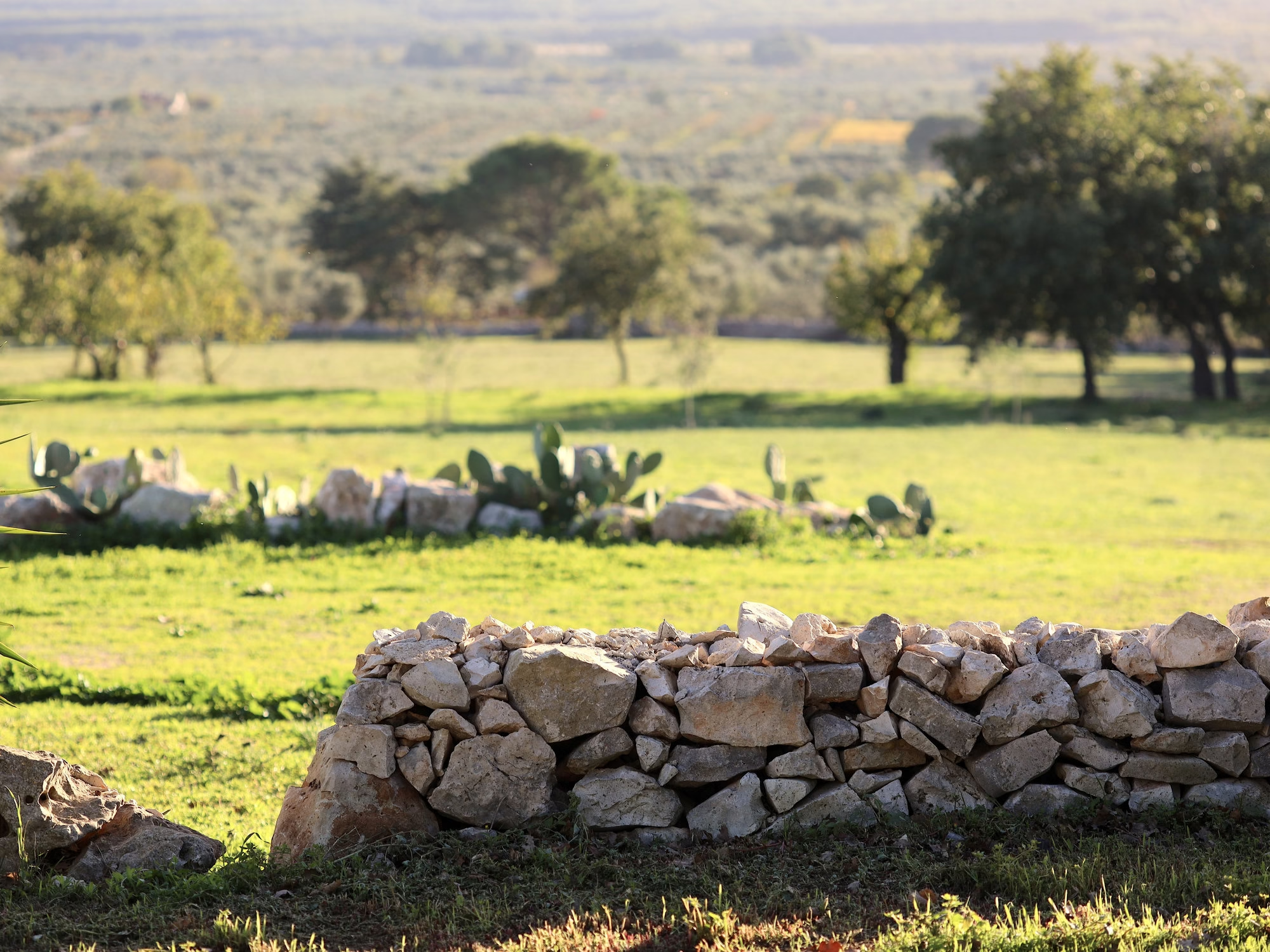
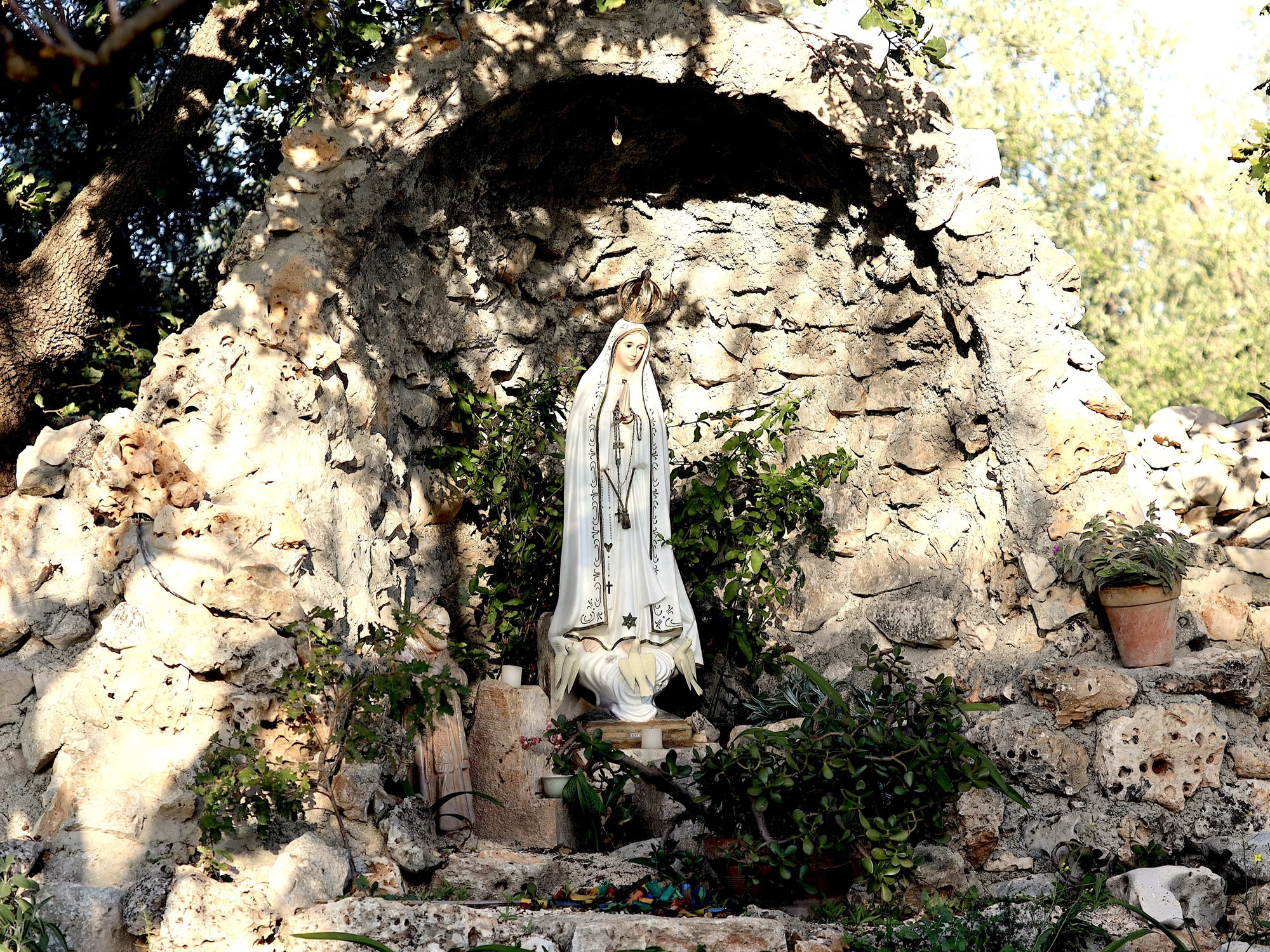
He patiently restored the farmhouse, building up the dry stone walls, clearing the paths and giving life back to that place suspended between history and nature. Casale Spano, built between the 17th and 19th centuries as a rural refuge and a small watch tower, began to live once again, welcoming new shepherds, farmers and travellers. The solar cross carved into the stone of the fireplace silently protected the house. All around, the valley flourished: golden broom in spring, knotted olive and almond trees which withstood the strong north wind. Years passed but the farmhouse stood intact. Stepping into the building, the slow rhythm of the land is all around. The blackened stones speak of hard work and rebirth, and the silence, interrupted only by the distant toll of a church bell, evokes a country which picked itself up again with dignity and perseverance. This farmhouse lives on as a symbol of resistance and history of a rural culture, its memories, nature and rebirth.