MONTE CUCCO WOOD
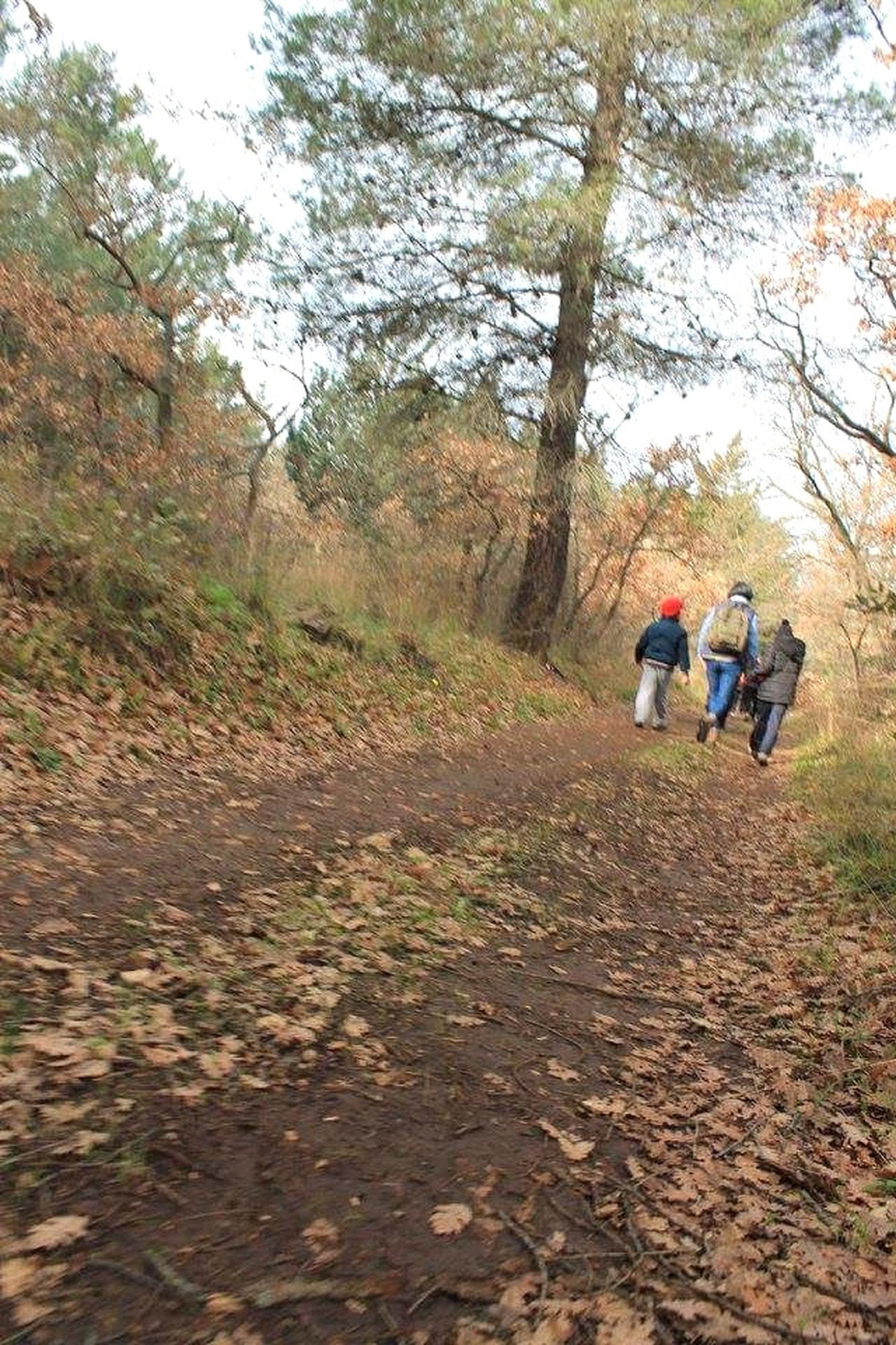
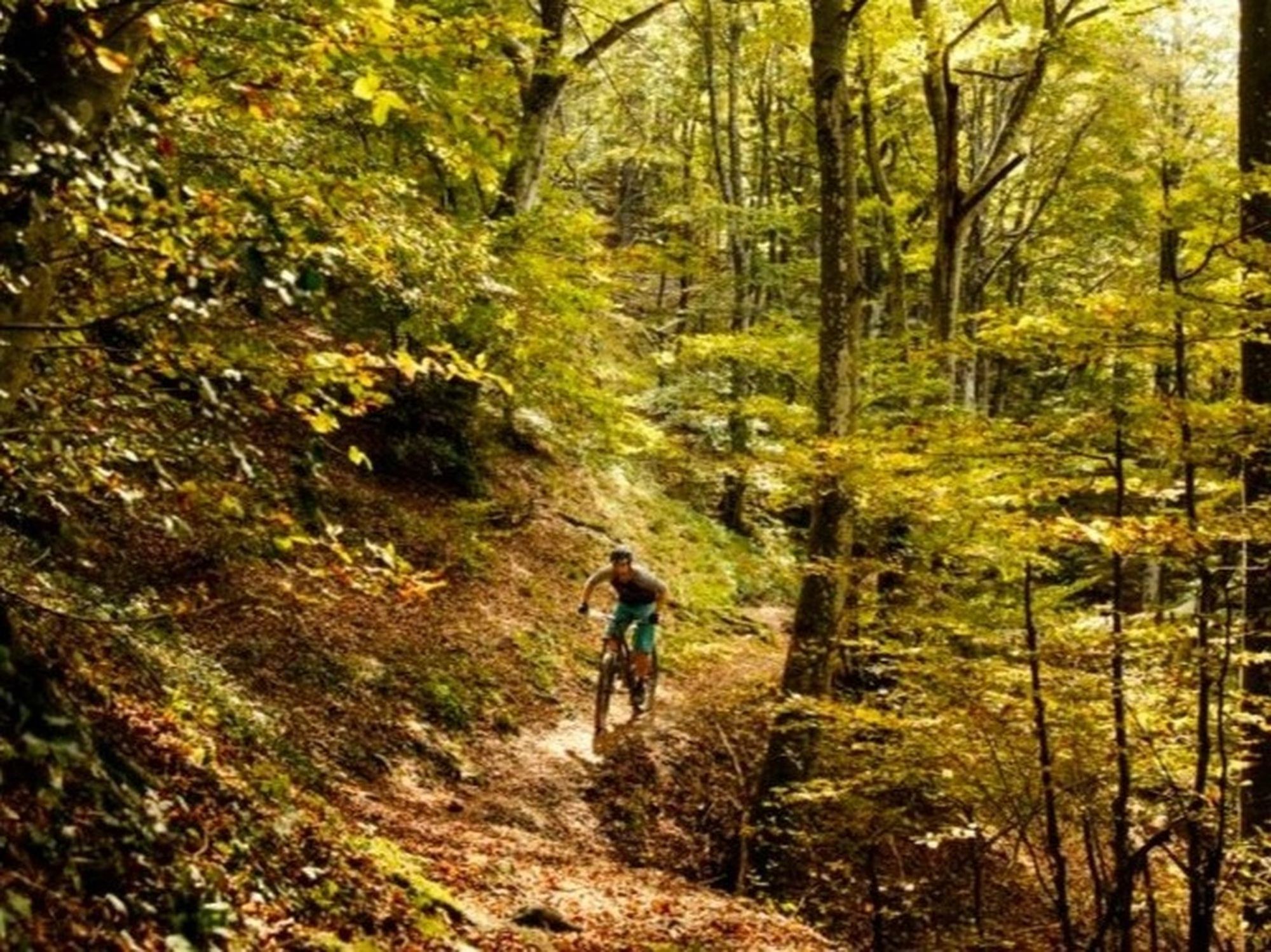
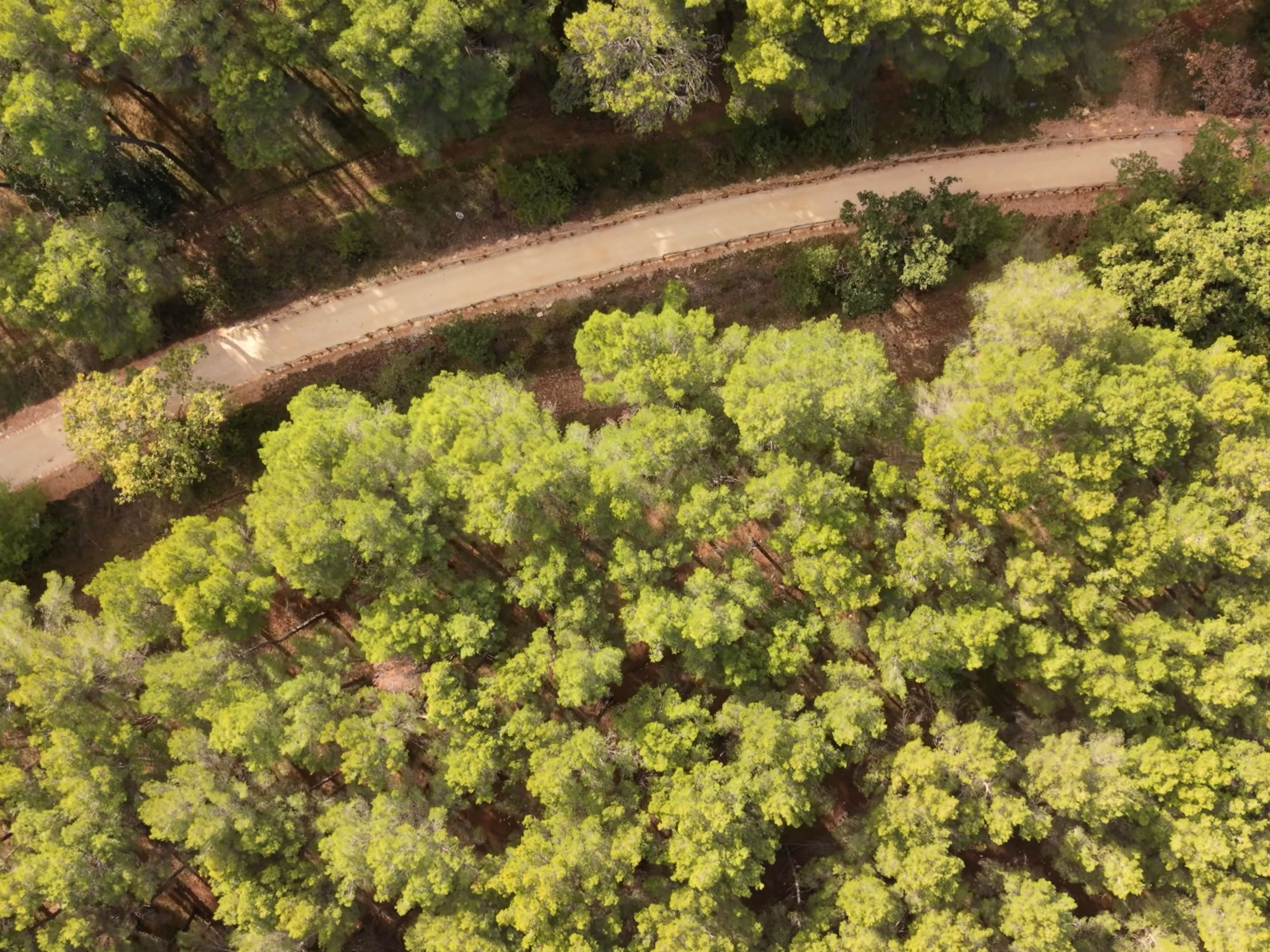
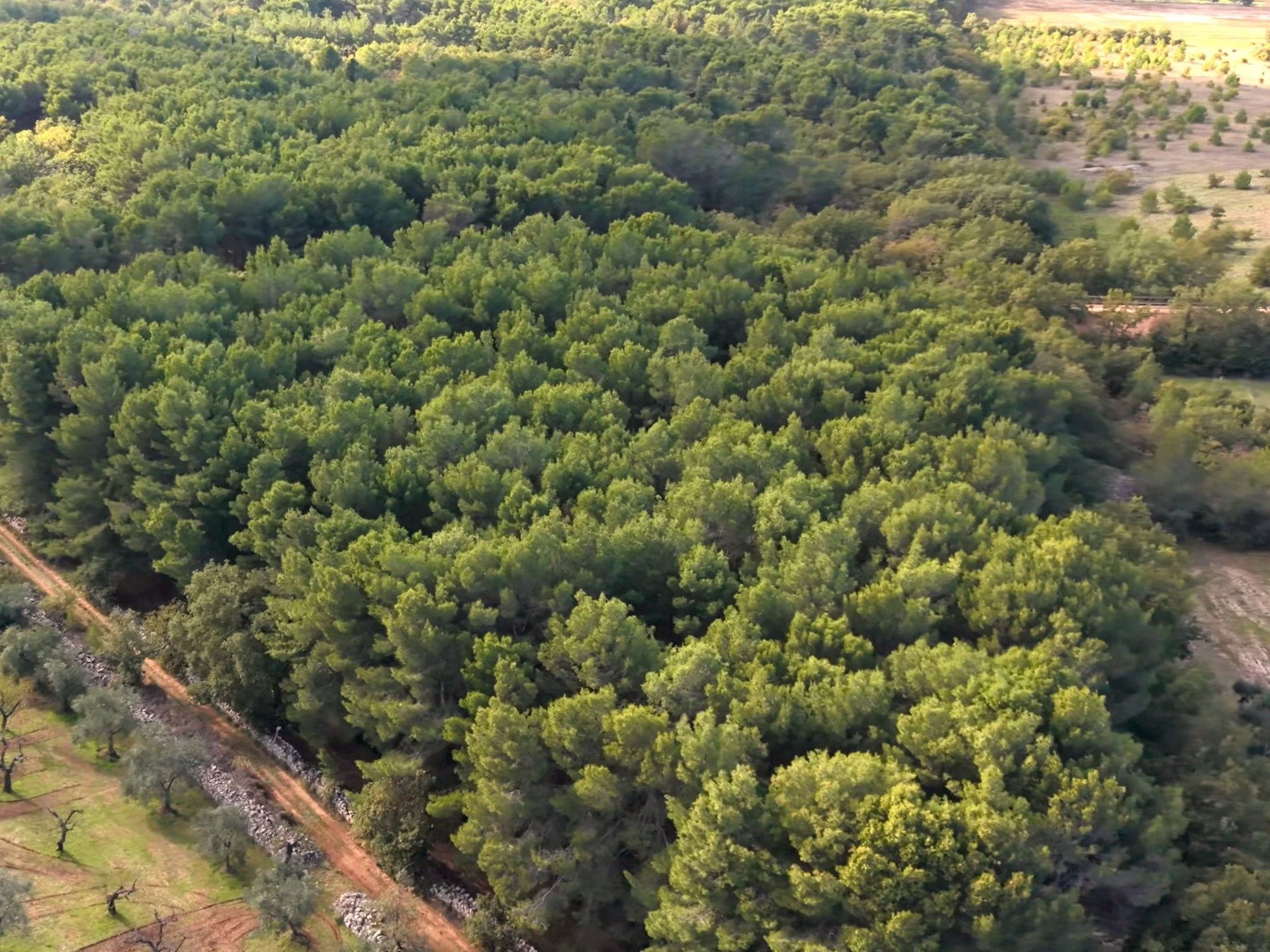
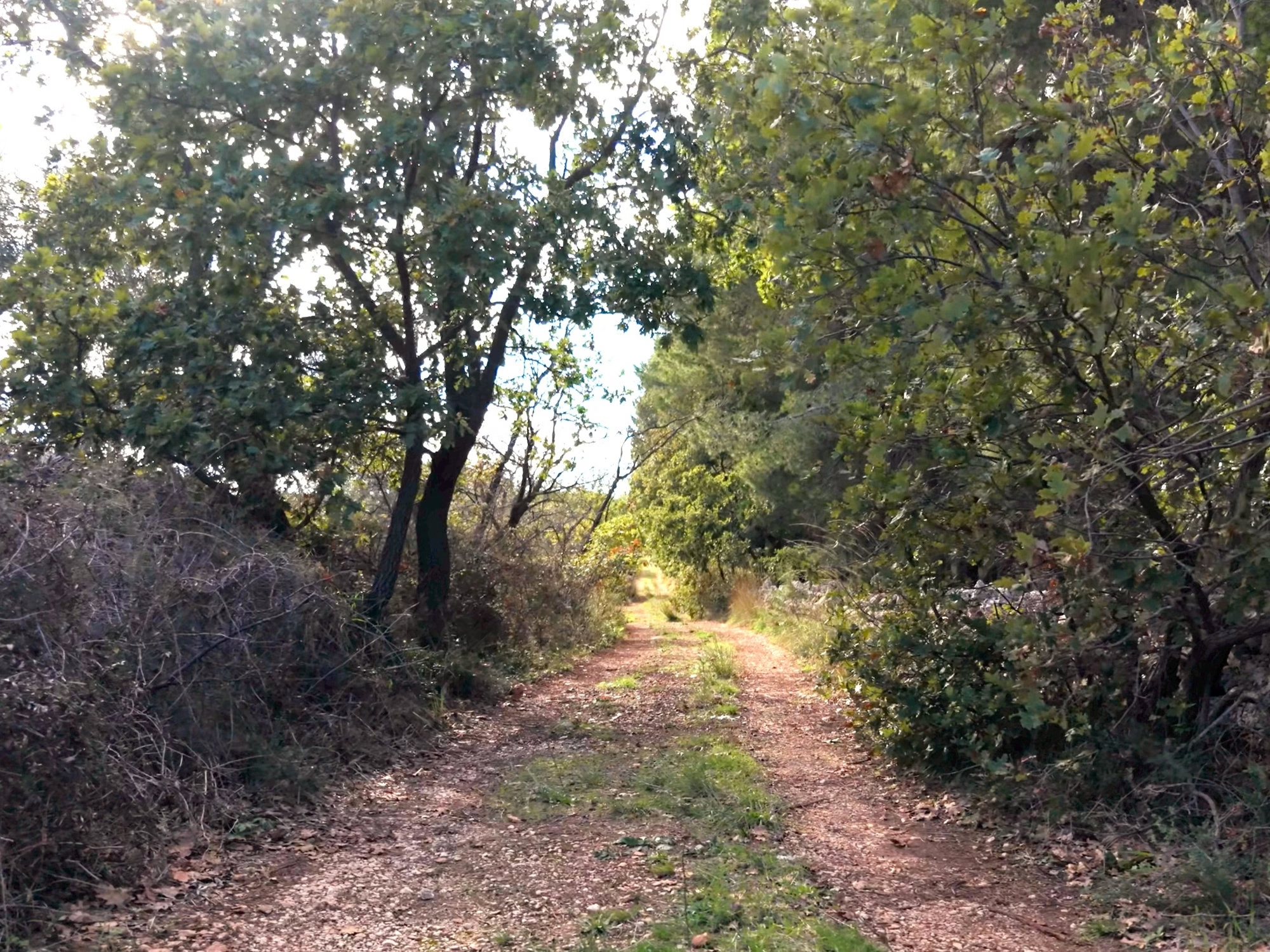
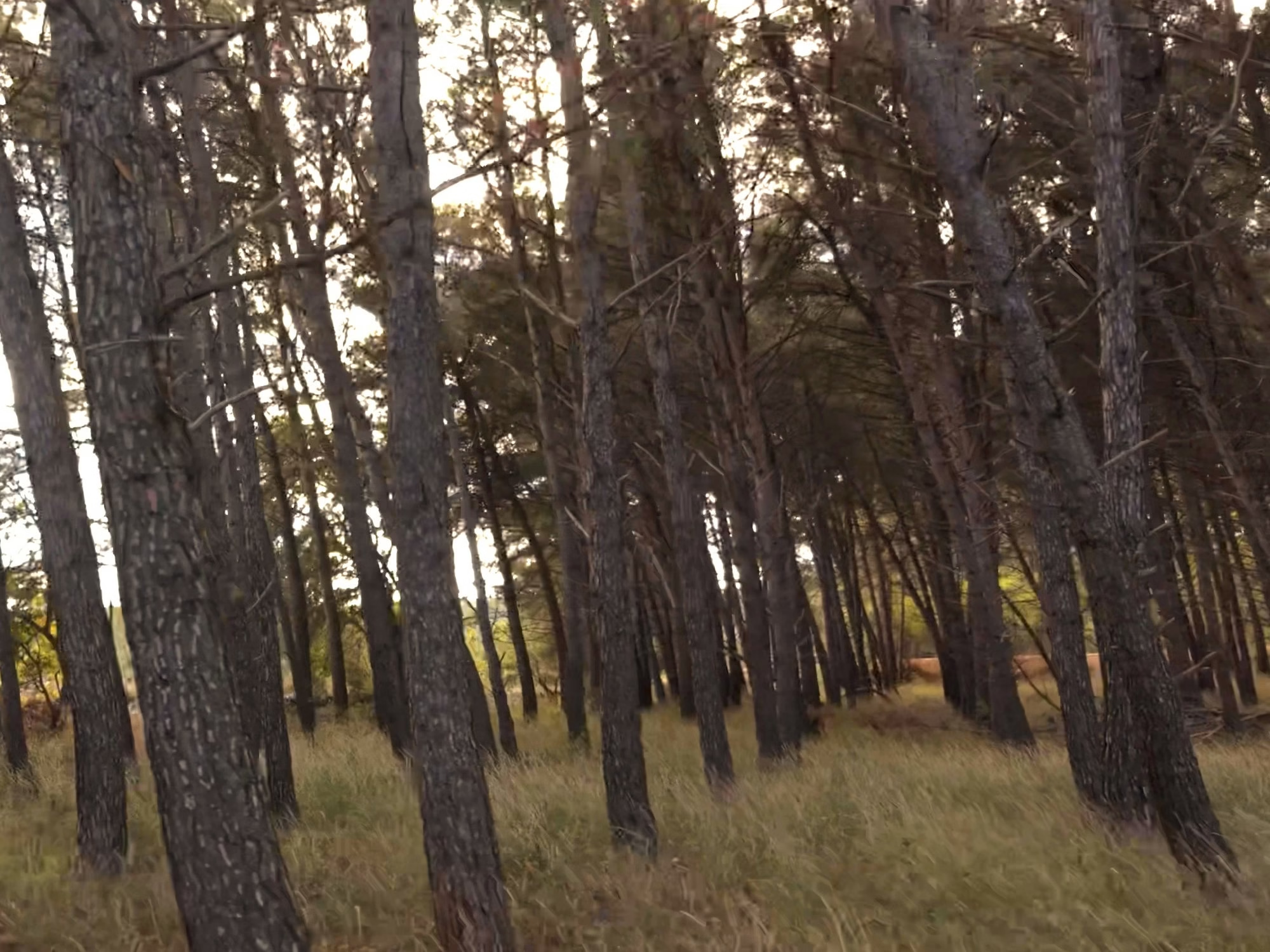
Along the shady paths of Alta Murgia, the wind through the conifers seems to whisper ancient tales, as if time had left a mark on the roots and stones of these woods. Centuries ago this woodland was full of ancient oak trees, providing strong wood for houses, boats and wine barrels. But with the rising population of the 1800s, almost all these trees were cut down and when heavy rains came, the valley floor was transformed into a torrent which threatened the nearby towns and Bari. In 1928, with the planting of conifers, a fragile equilibrium was once again established, slowing down the rainwater and providing some measure of safety. Walking along these paths which were once used for transhumance, it is like retracing the steps of shepherds and peasants of centuries past. Large mammals, silent birds of prey, vipers and lizards can be seen moving through the woods, among medicinal plants, rare orchids and flowers like peonia mascula.
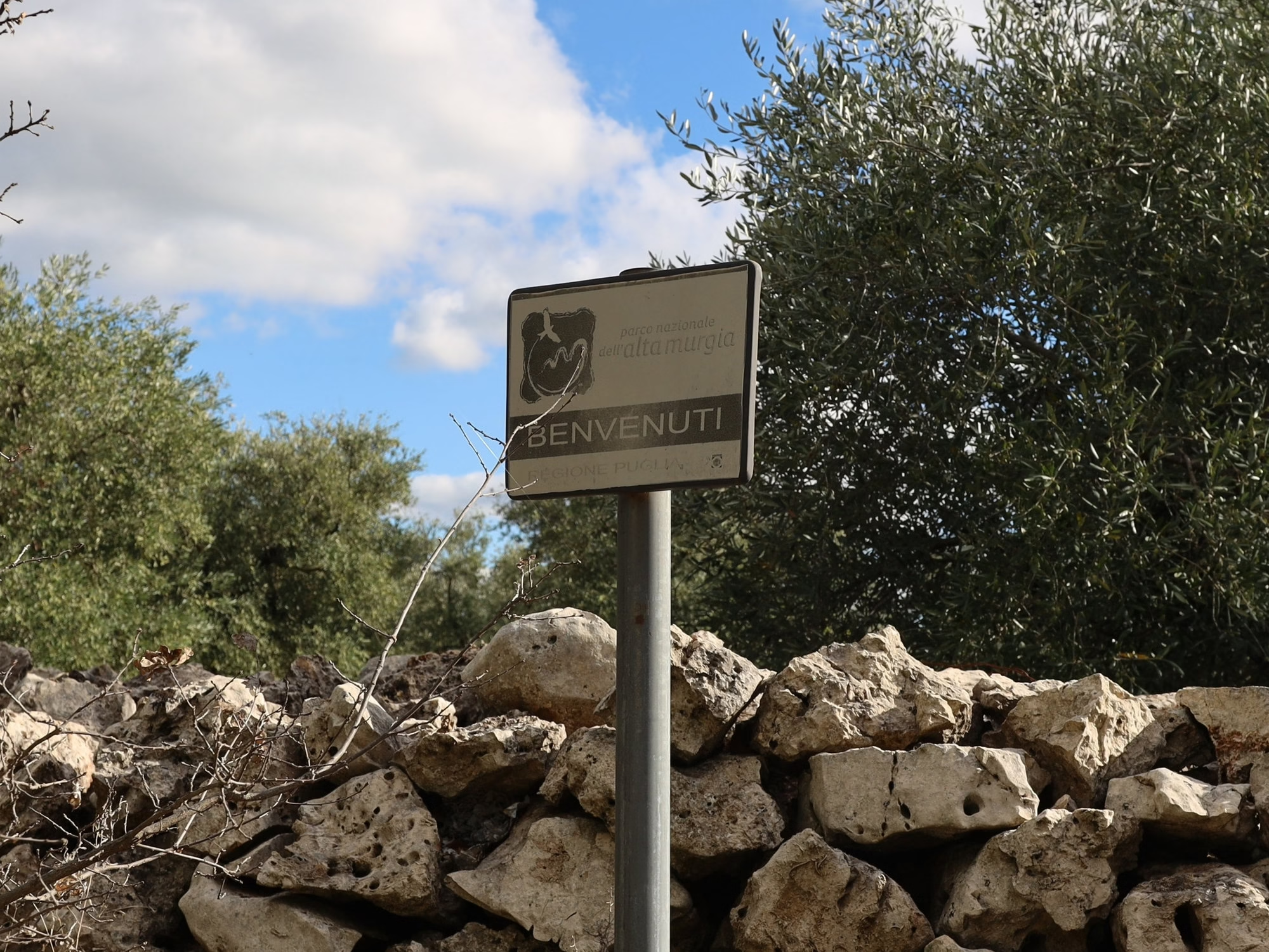
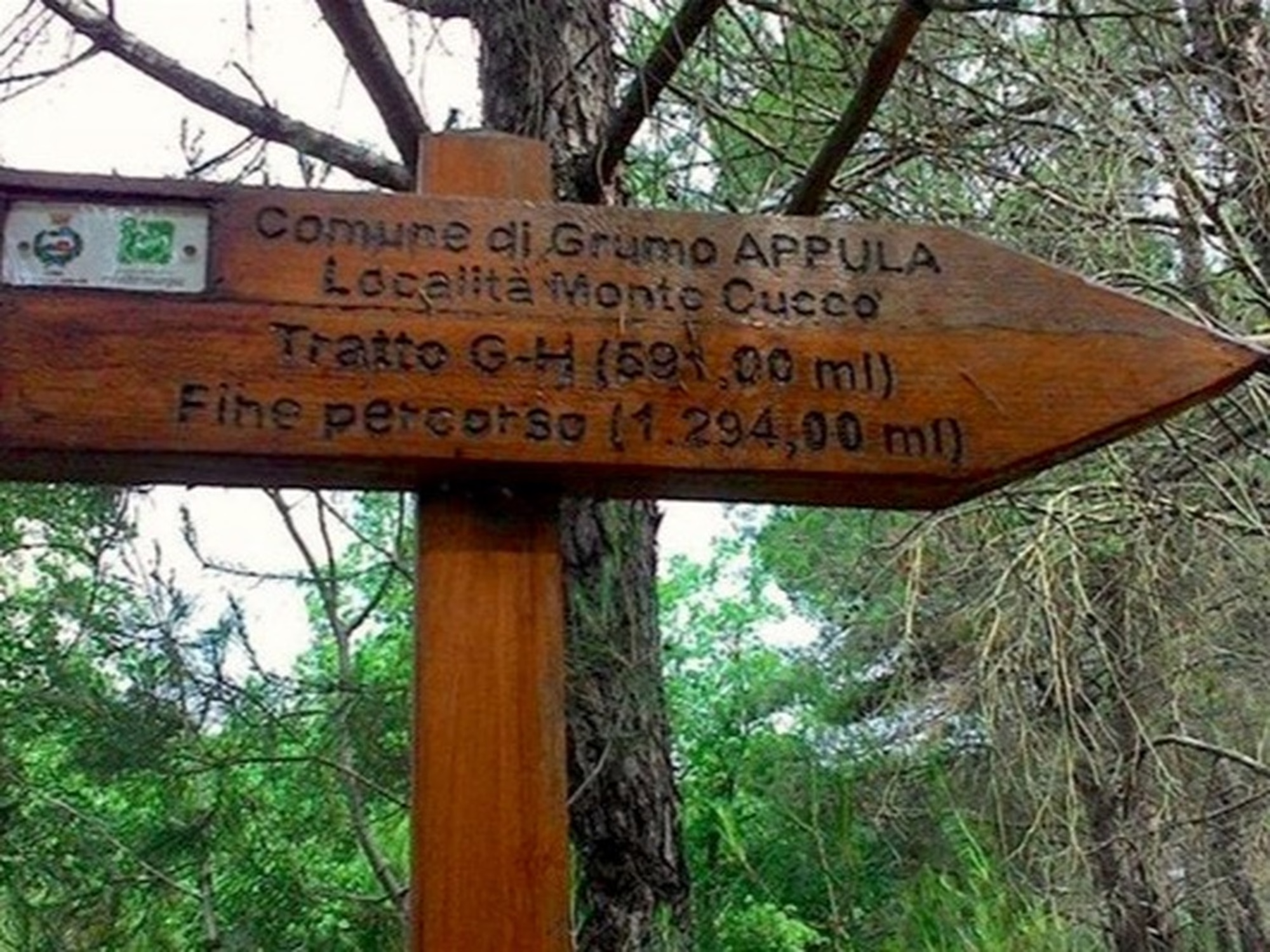
These places hold the memory of brigands, a widespread phenomenon in the early 1800s, growing stronger still with the Unification of Italy and the social malcontent of the South. These men were poor peasants or former Bourbon soldiers who were rebelling against the Piedmont army and the local gentry, assailing trains, farmhouses and barracks to steal livestock, animal fodder and supplies. The government reacted harshly: one hundred and twenty thousand soldiers were tasked with the eradication of the phenomenon: a thousand brigands were shot, two thousand fell in battle and three thousand were imprisoned. These struggles left a profound mark on the relationship between the State and the South, giving rise to the so-called “questione meridionale” (the southern question). This woodland is not only nature: it is memory, history and a blend of beauty and pain, resistance and life.