CHURCH OF ST.FRANCIS
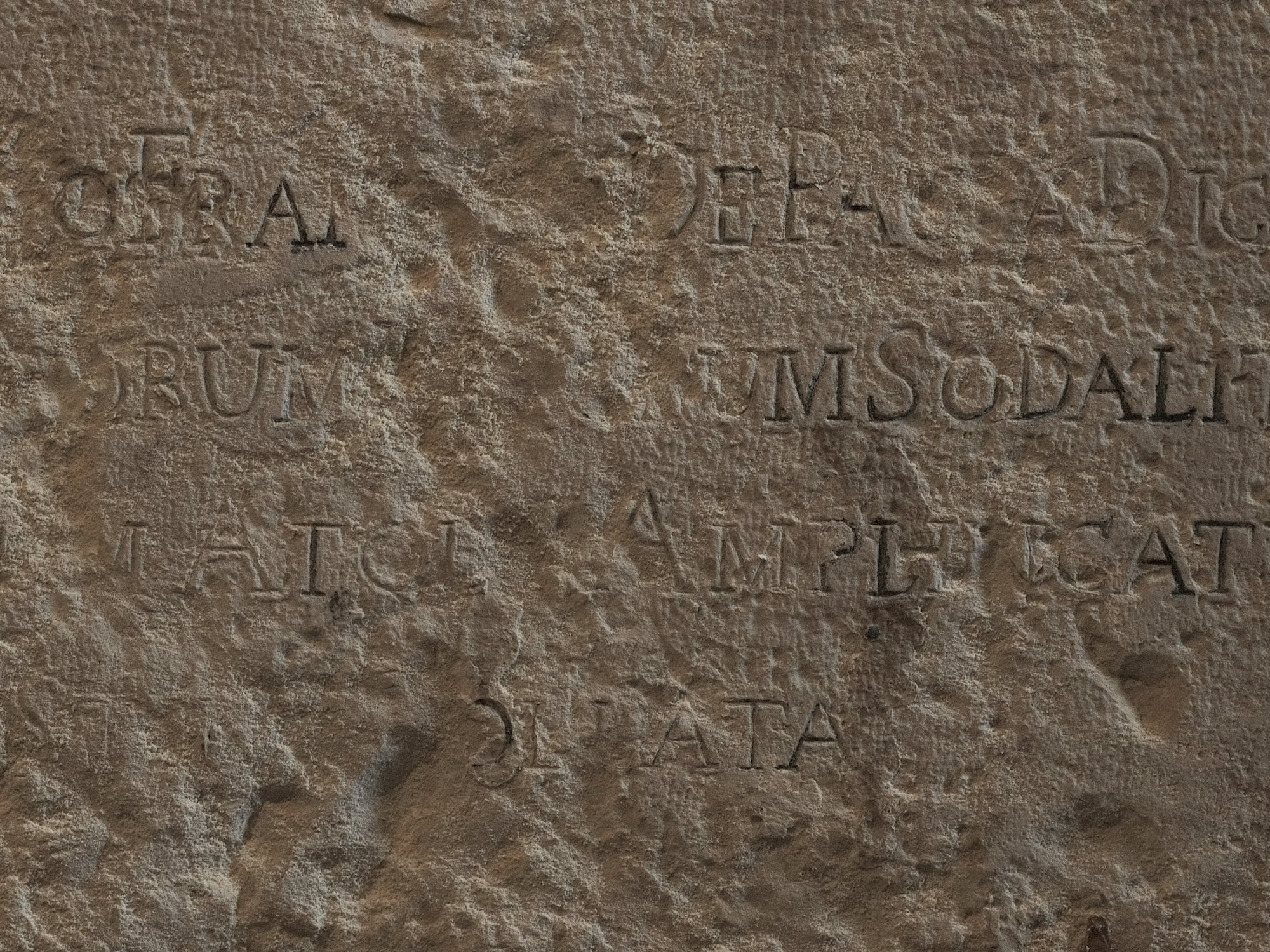
This church represents centuries of devotion and transformation. It was built at the end of the 16th century, originally dedicated to St. Nicholas. Its simple ashlar walls, in local stone, guarded the souls of the faithful who gathered within. Over the course of the 19th century, following major restoration work, the church was dedicated to St. Francis of Paola. In the 1800s the cult of St. Francis of Paola was extremely widespread and he became one of the most well-loved saints in the south of Italy. In this period many religious buildings were built and dedicated to the saint, also due to the expansion of the Order of Minims founded by him. In the sacristy of the church there is a plaque which commemorates these events. The entranceway is made up of two wooden doors decorated with crosses, painted and framed by moulded jambs. Inside, the open space leads to the presbytery, raised by four steps where a marble altar was placed in 2003, the precious home to a wooden statue of Christ dating back to the early 1800s.
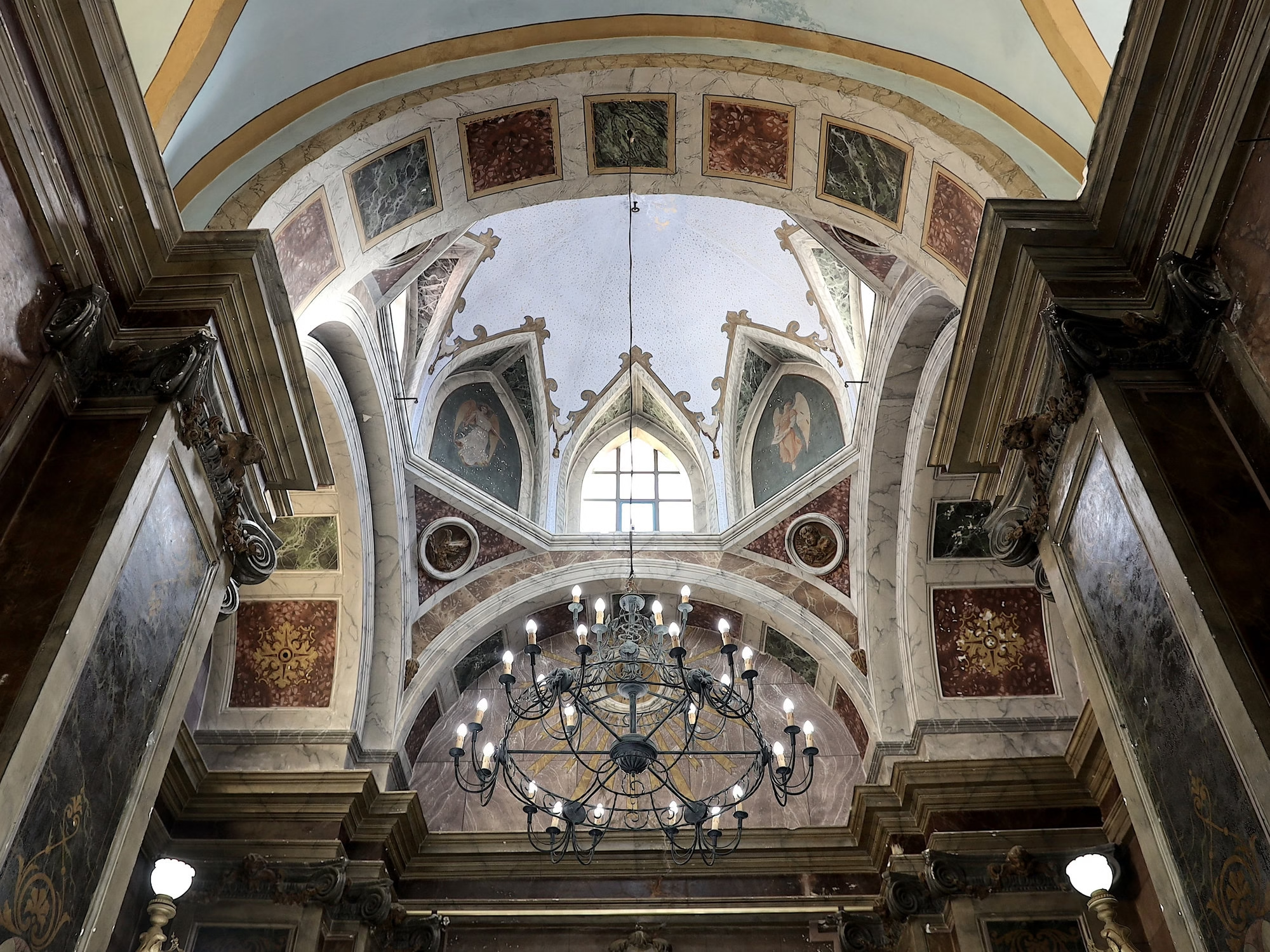
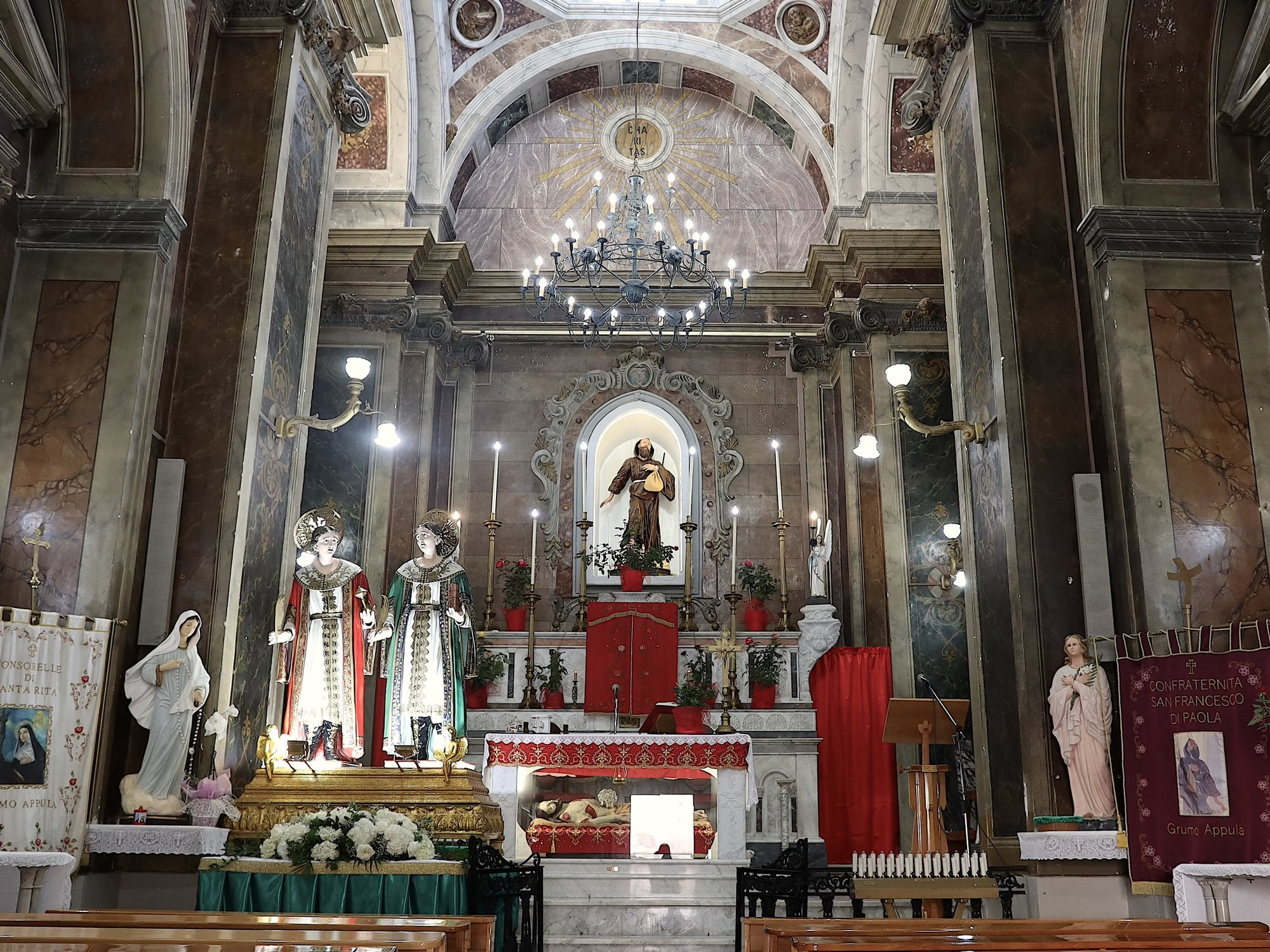
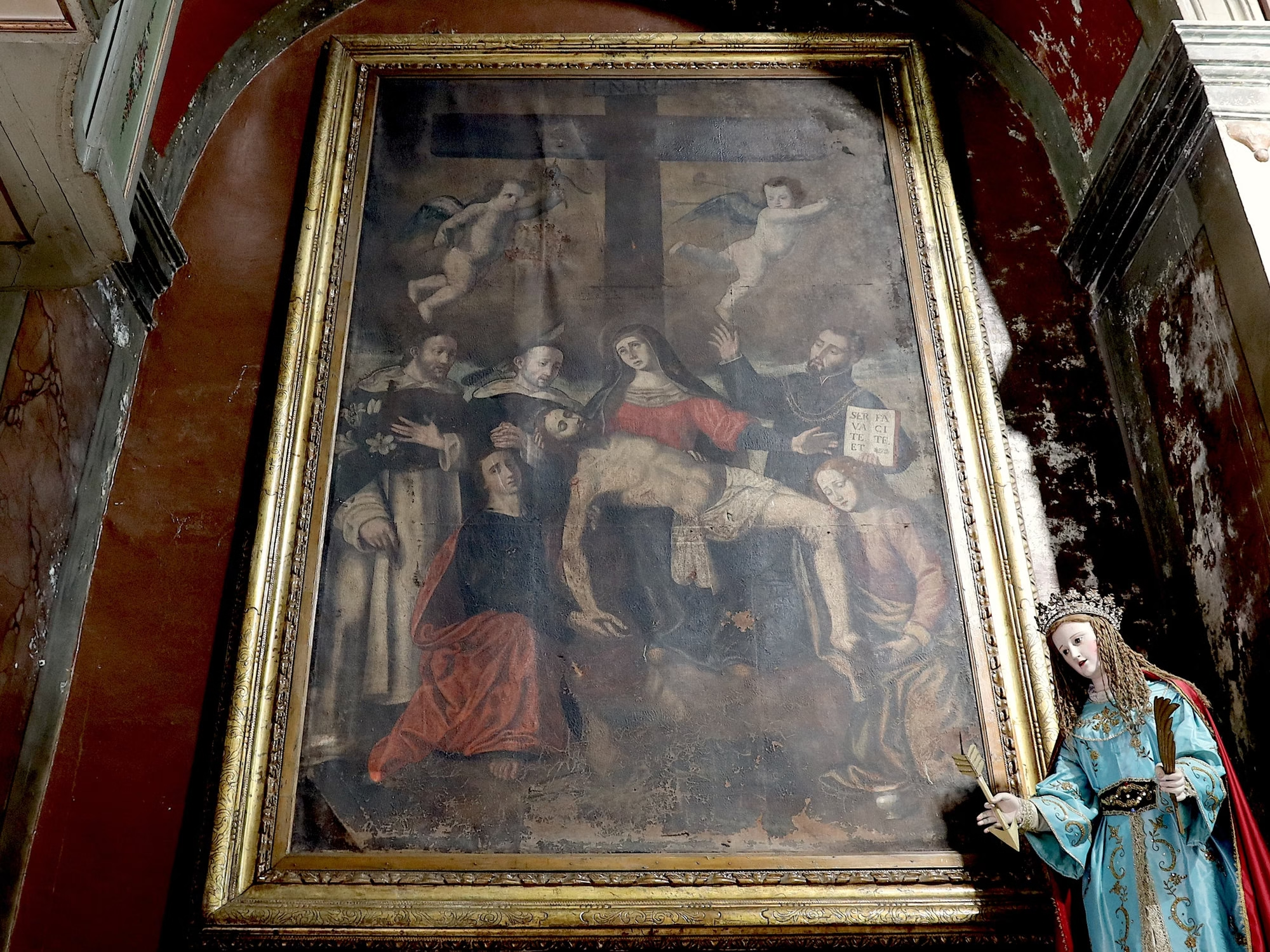
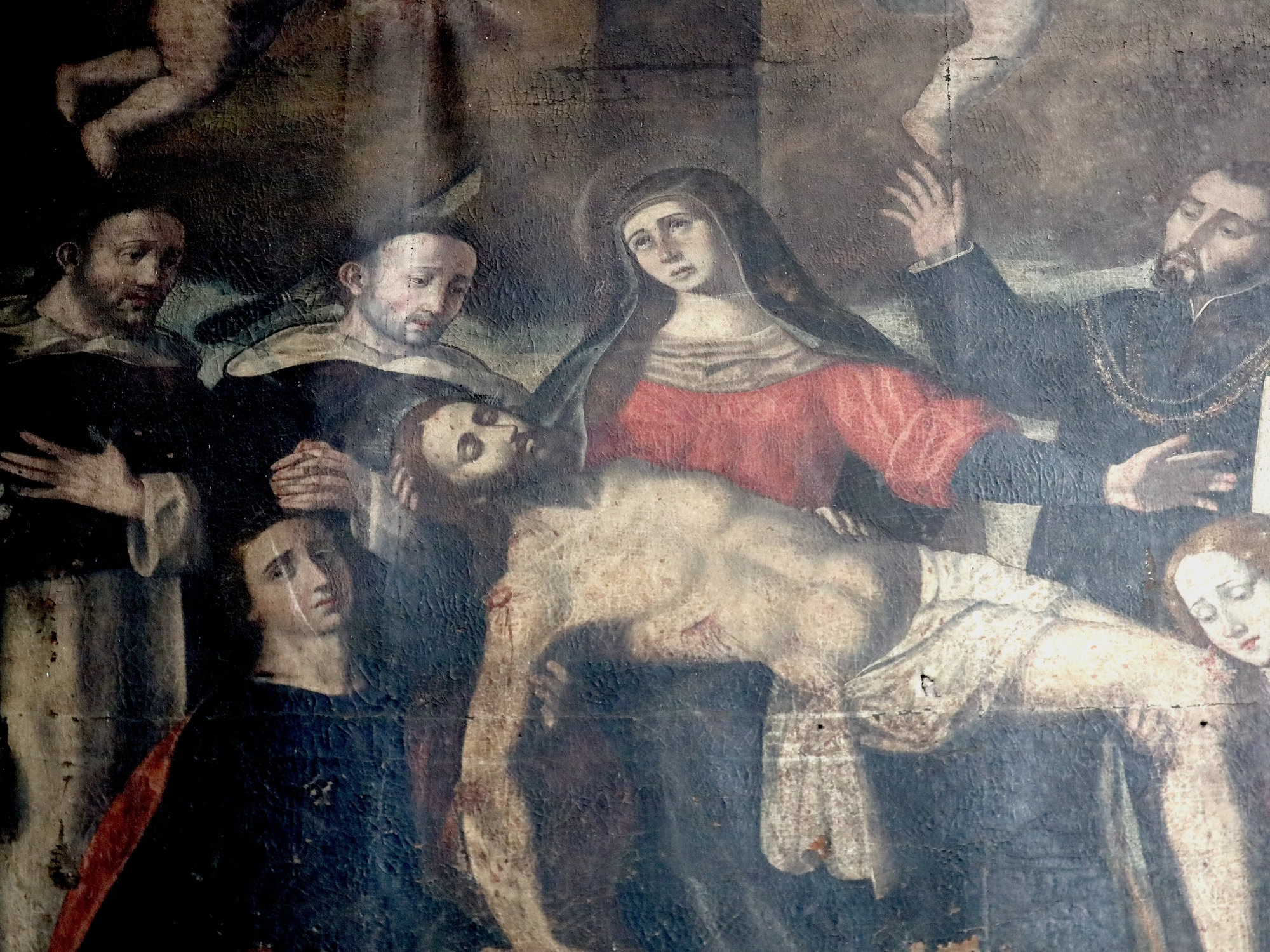
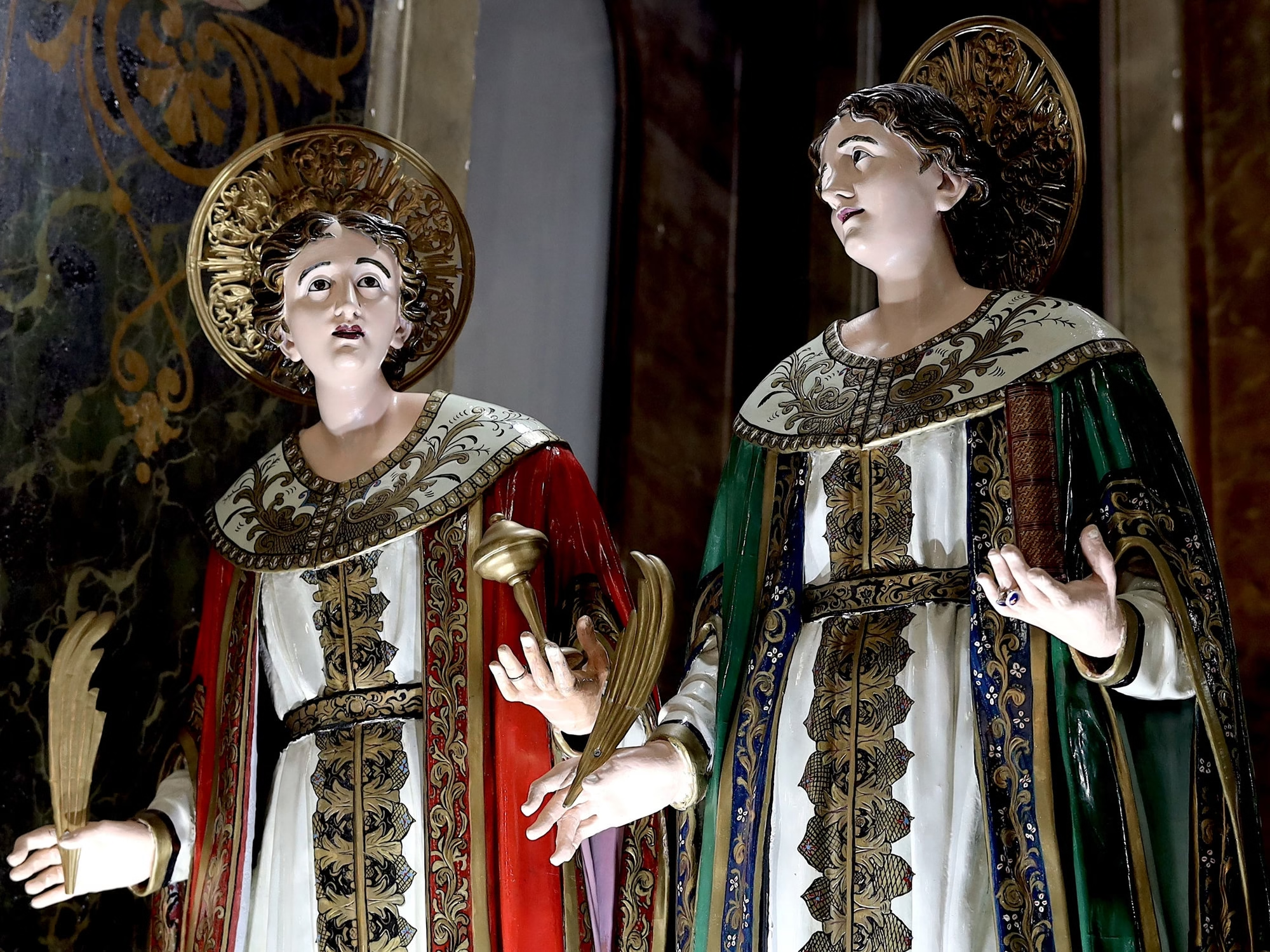
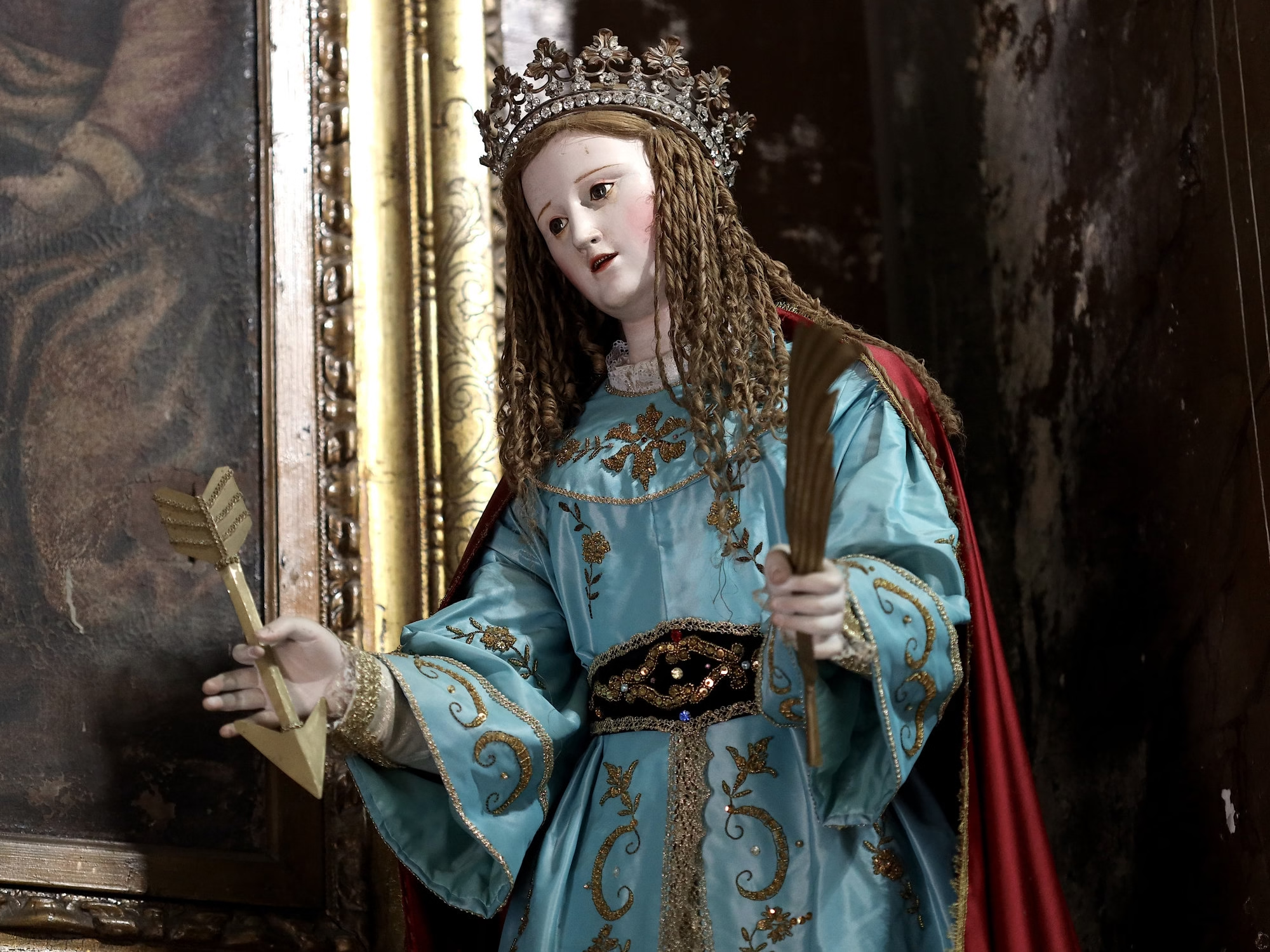
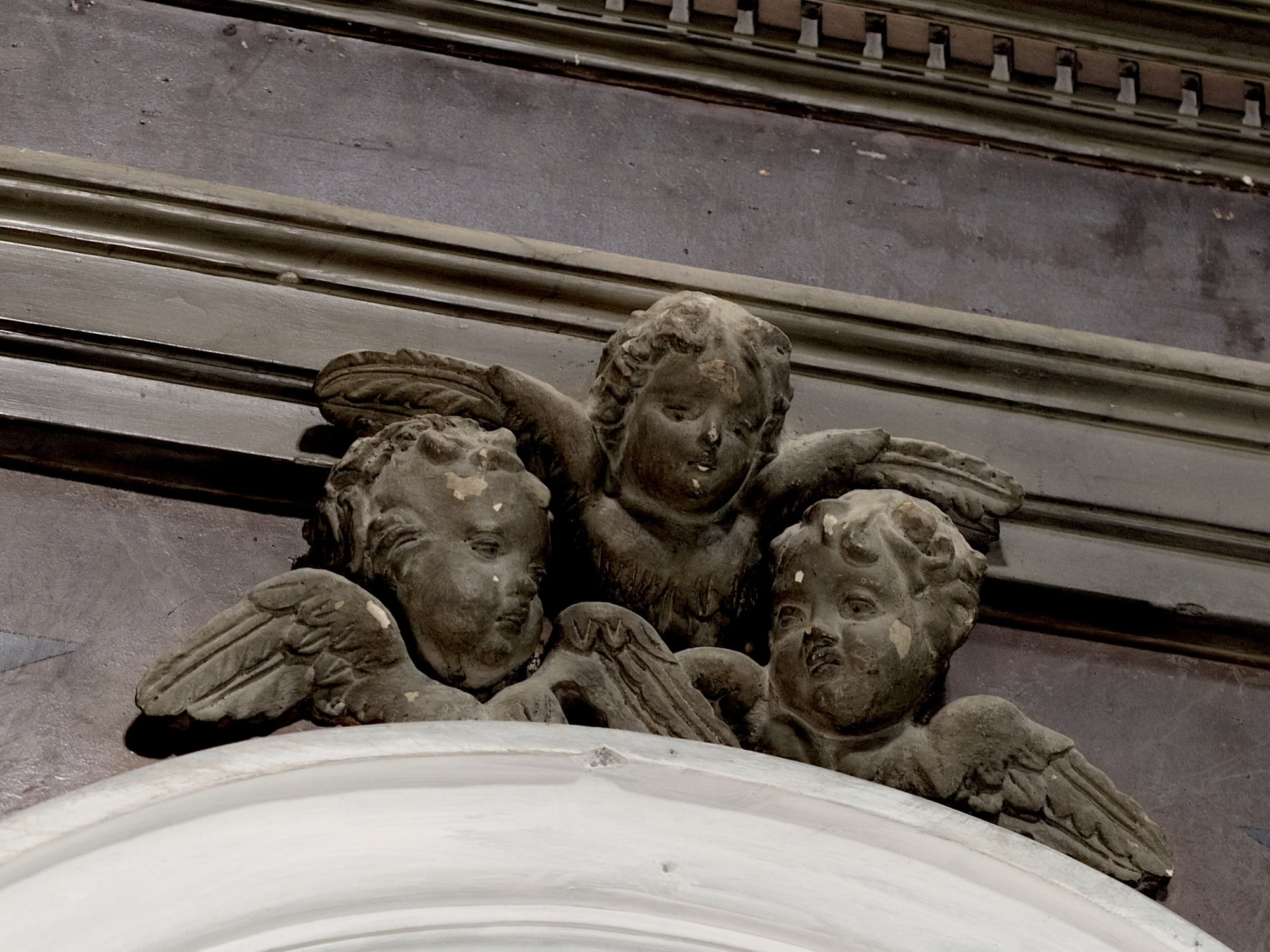
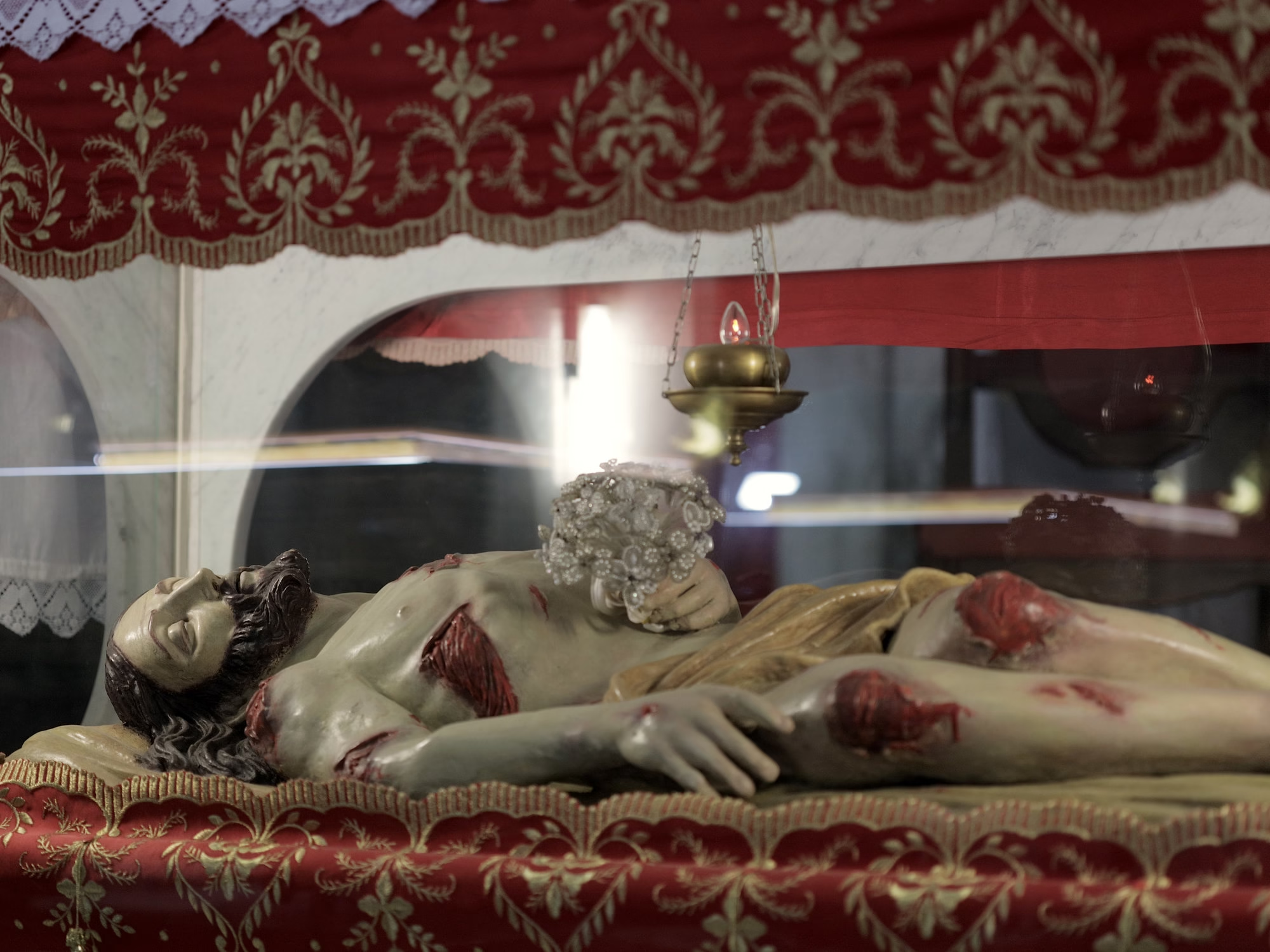
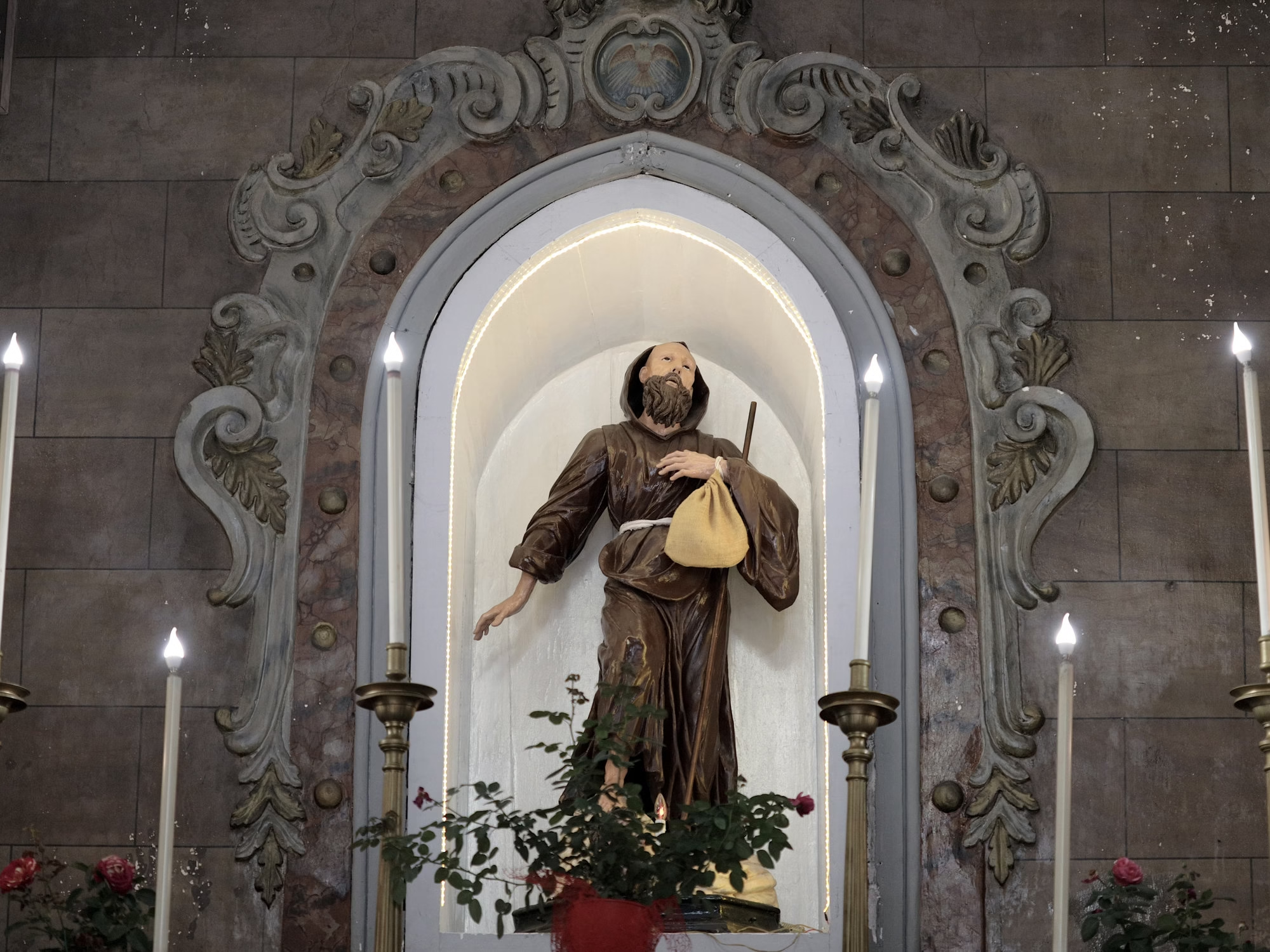
The church still conserves memories of the monks and pilgrims who spent time here: next to the church are the houses which once hosted them, evidence of a time marked by hospitality and faith. The inside of the church is richly detailed: there are four side chapels, two on each side, with altars standing against the outside walls. The lunette barrel vaults and the octagonal pavilion dome create a harmonious rhythm which guides the visitor’s eye. The first chapel on the left conserves a 17th century painting depicting the Pietà, with St. John, Mary Magdalene, St. Dominic, St. Peter Martyr and St. Cajetan. In the second arch on the left-hand side, is a marble altar housing a shrine with a modern sculpture of St. Rita. On the right-hand side, the papier-mâché statue of St. Aloysius Gonzaga and the other stone altar dedicated to the Holy Physicians Cosmas and Damian tell stories of saints and miracles. Above the main altar is the wooden statue of St. Francis of Paola while the presbytery is adorned with St. Philomena on the left and St Nicholas of Bari on the right. With its sober architecture and wisely placed artistic details, the church is a living memory of pilgrims, history, and the devotion which continues to thrive within its ancient stone walls.