FORMER MONASTERY OF THE FRANCISCAN FRIARS MINOR
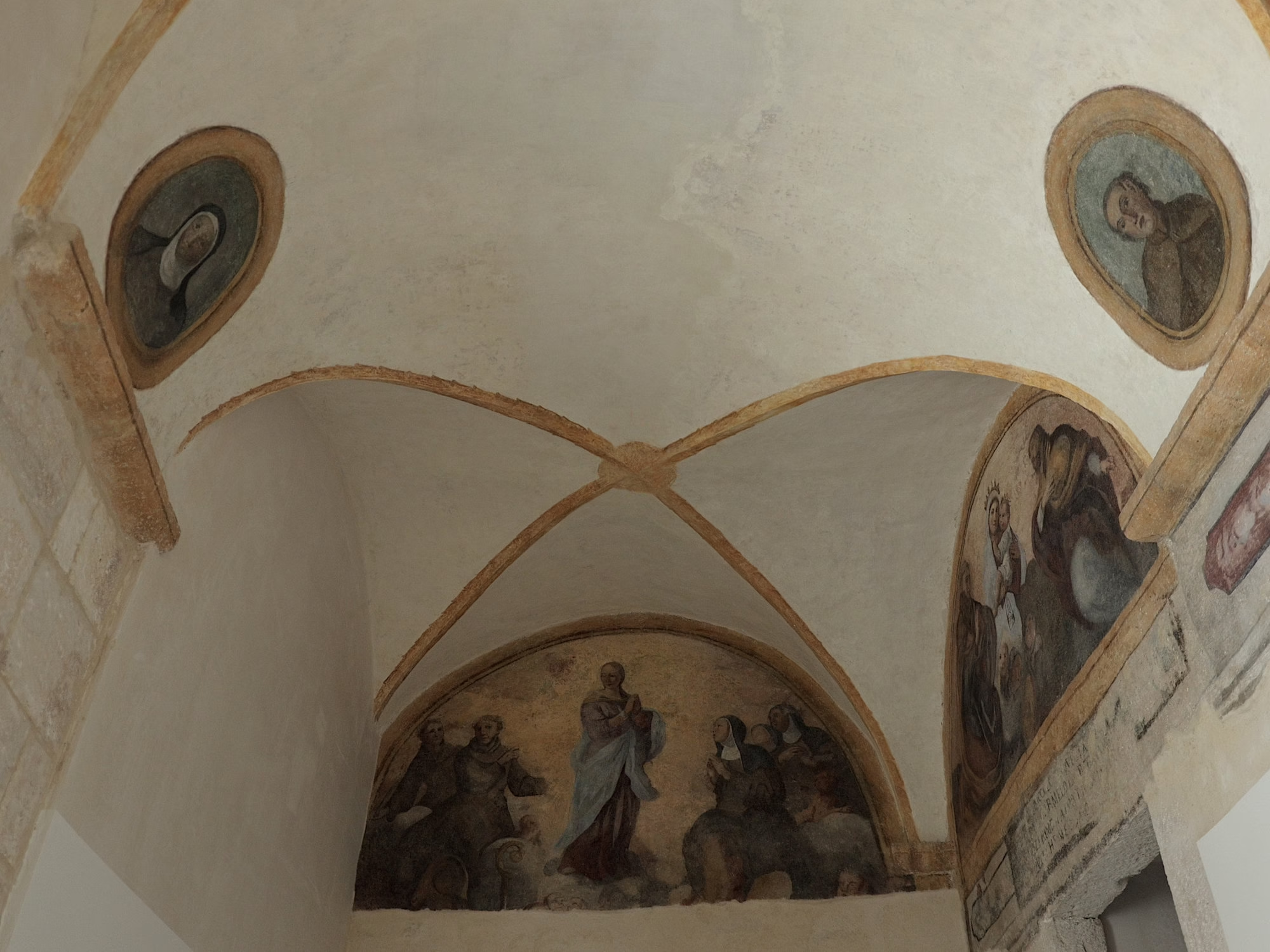
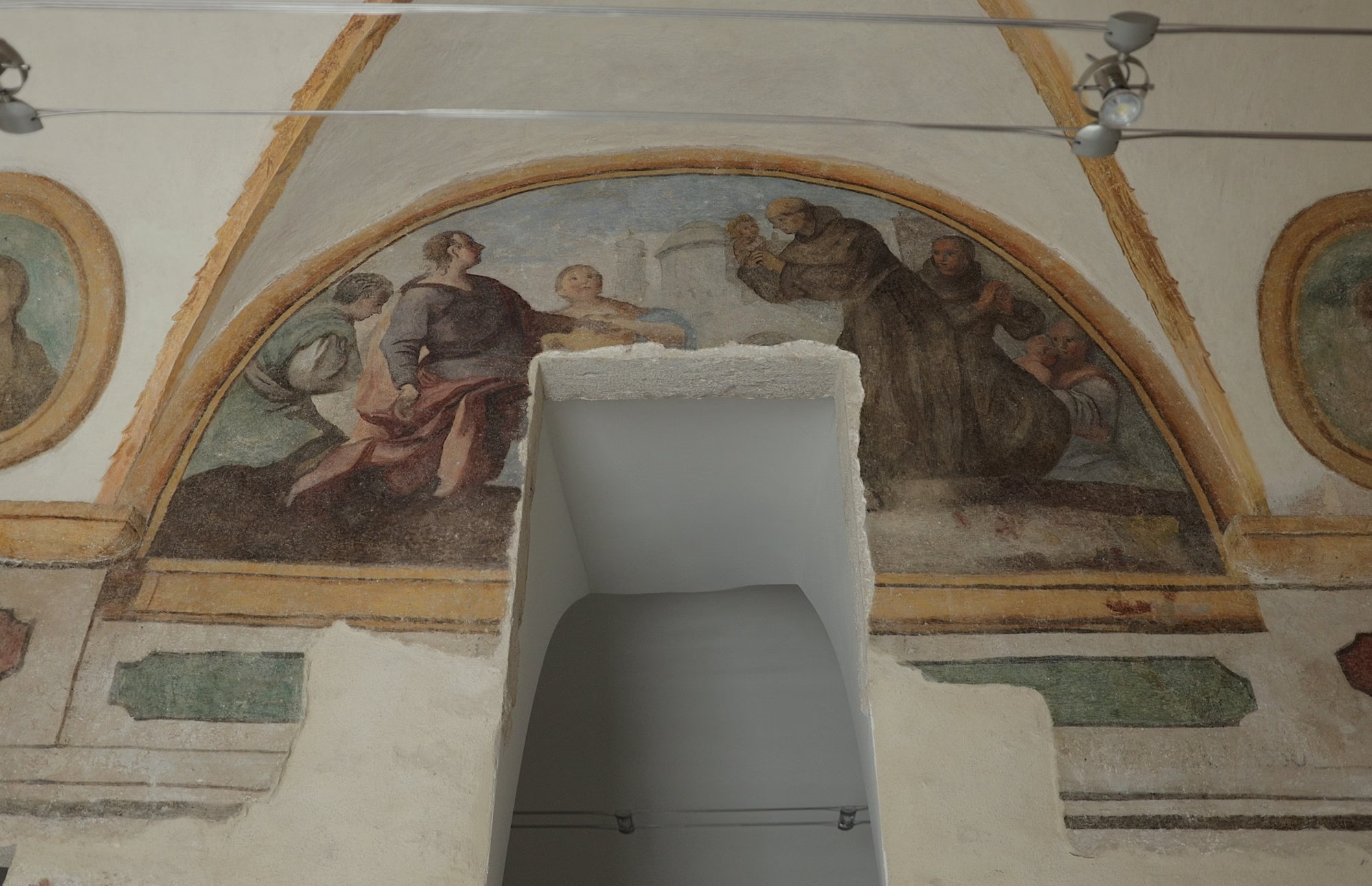
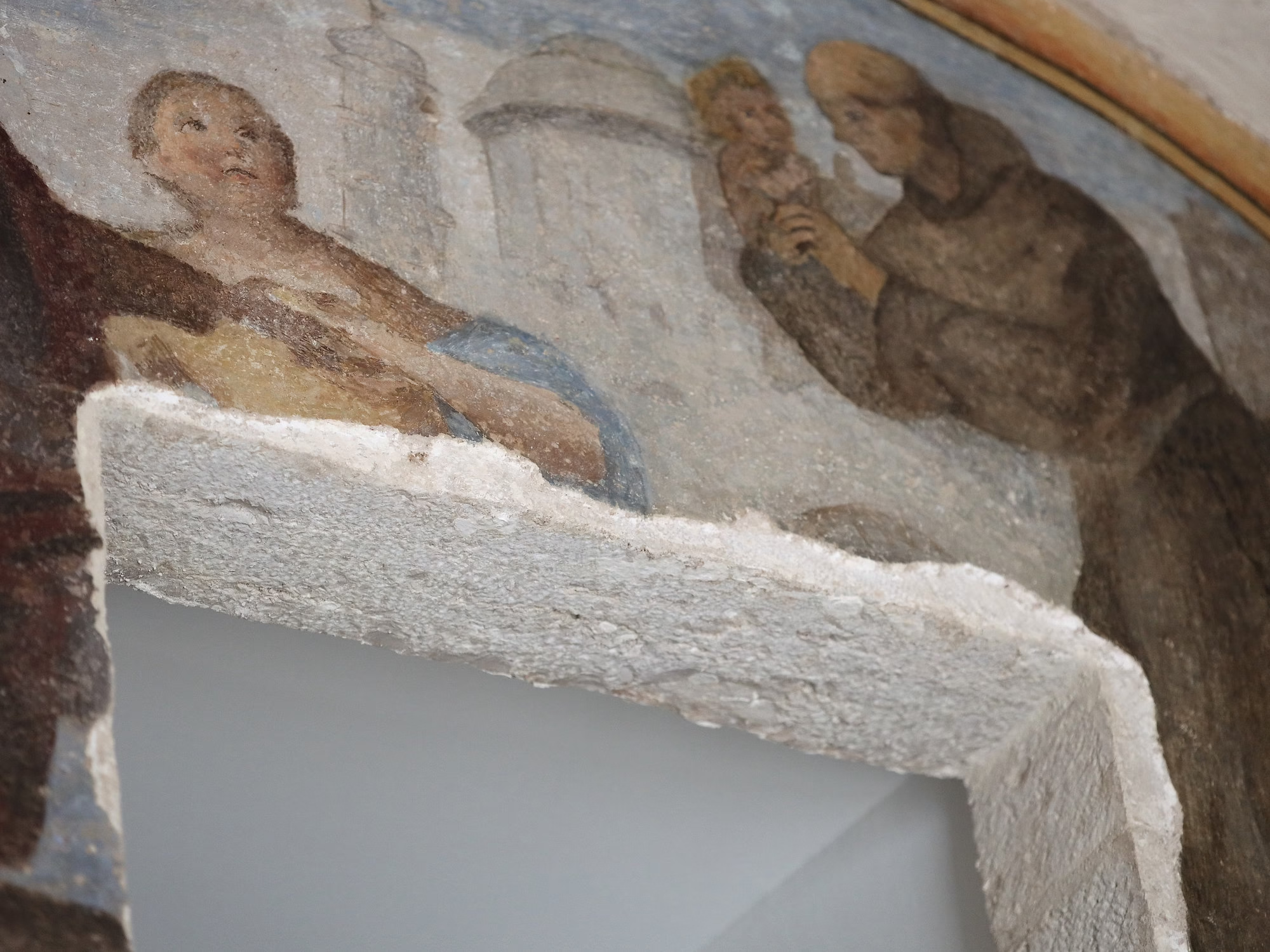
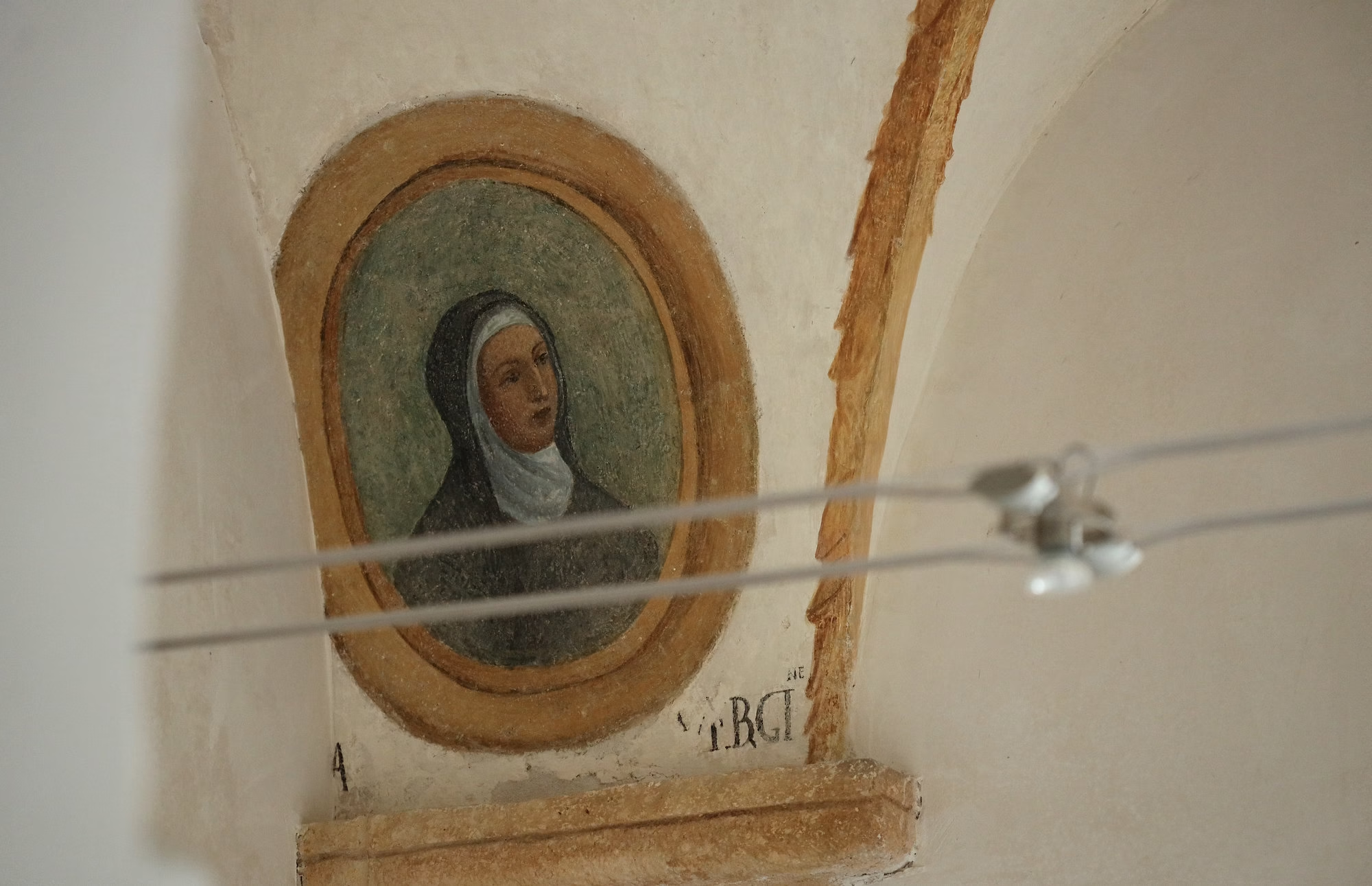
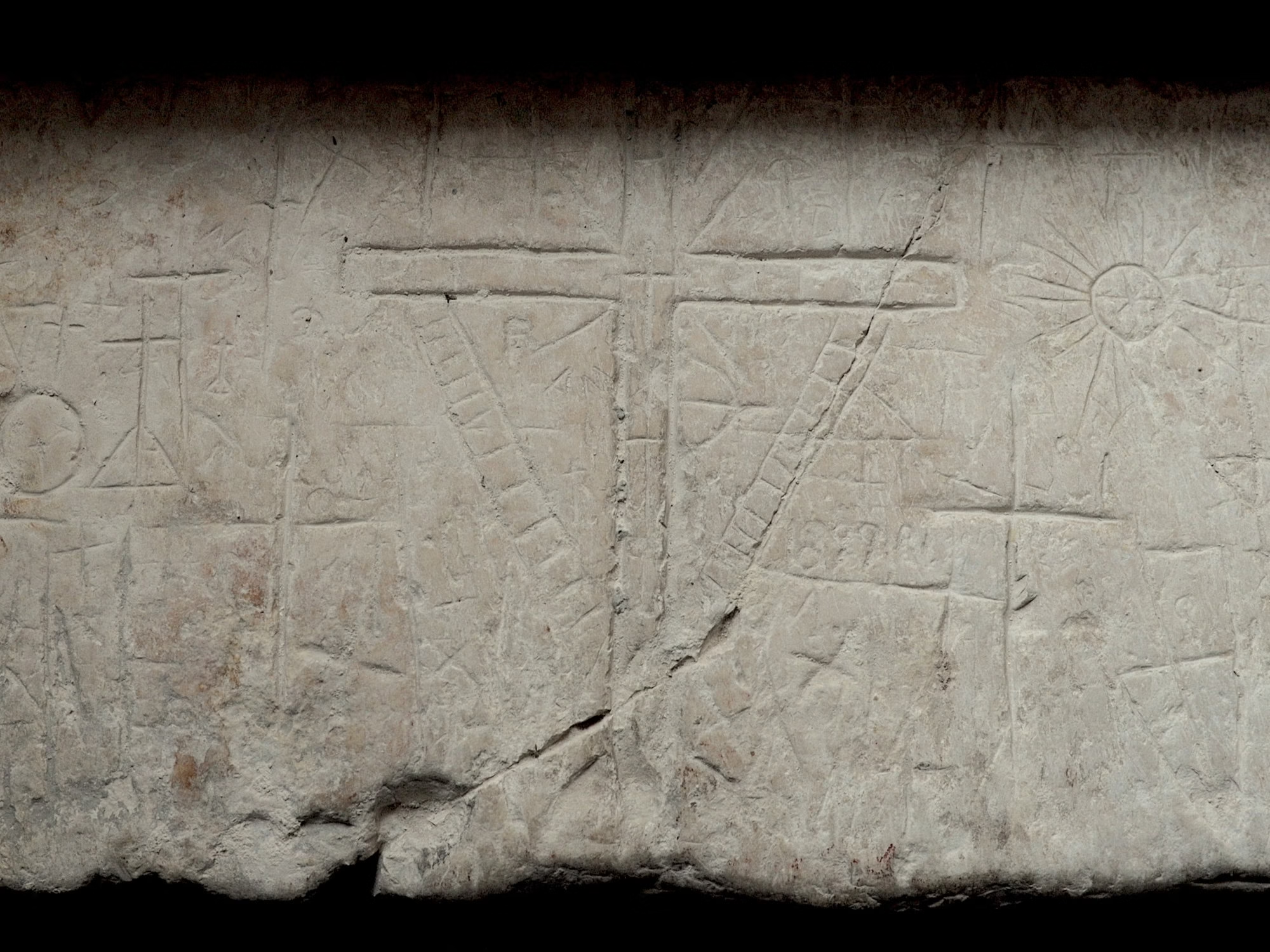
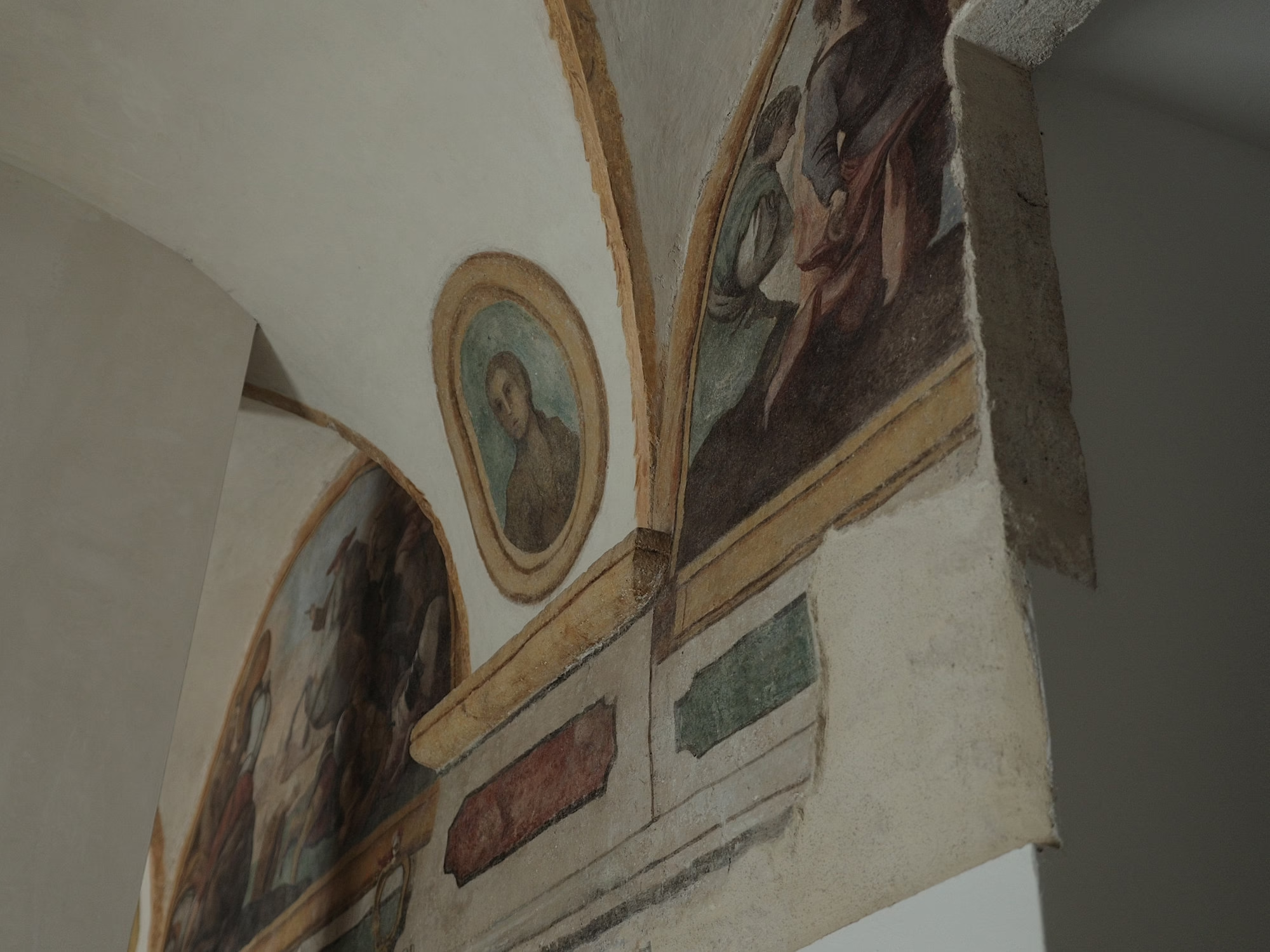
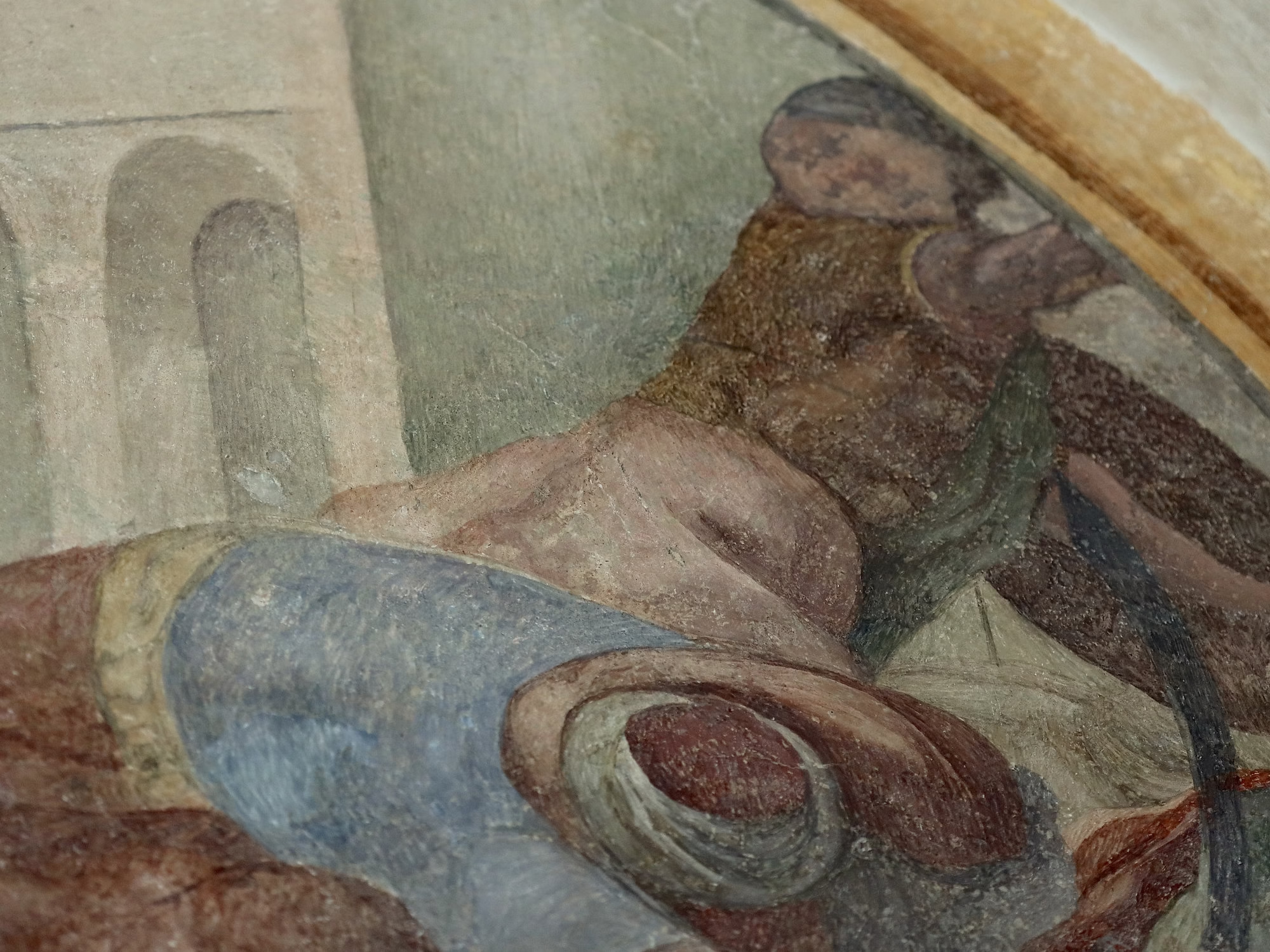
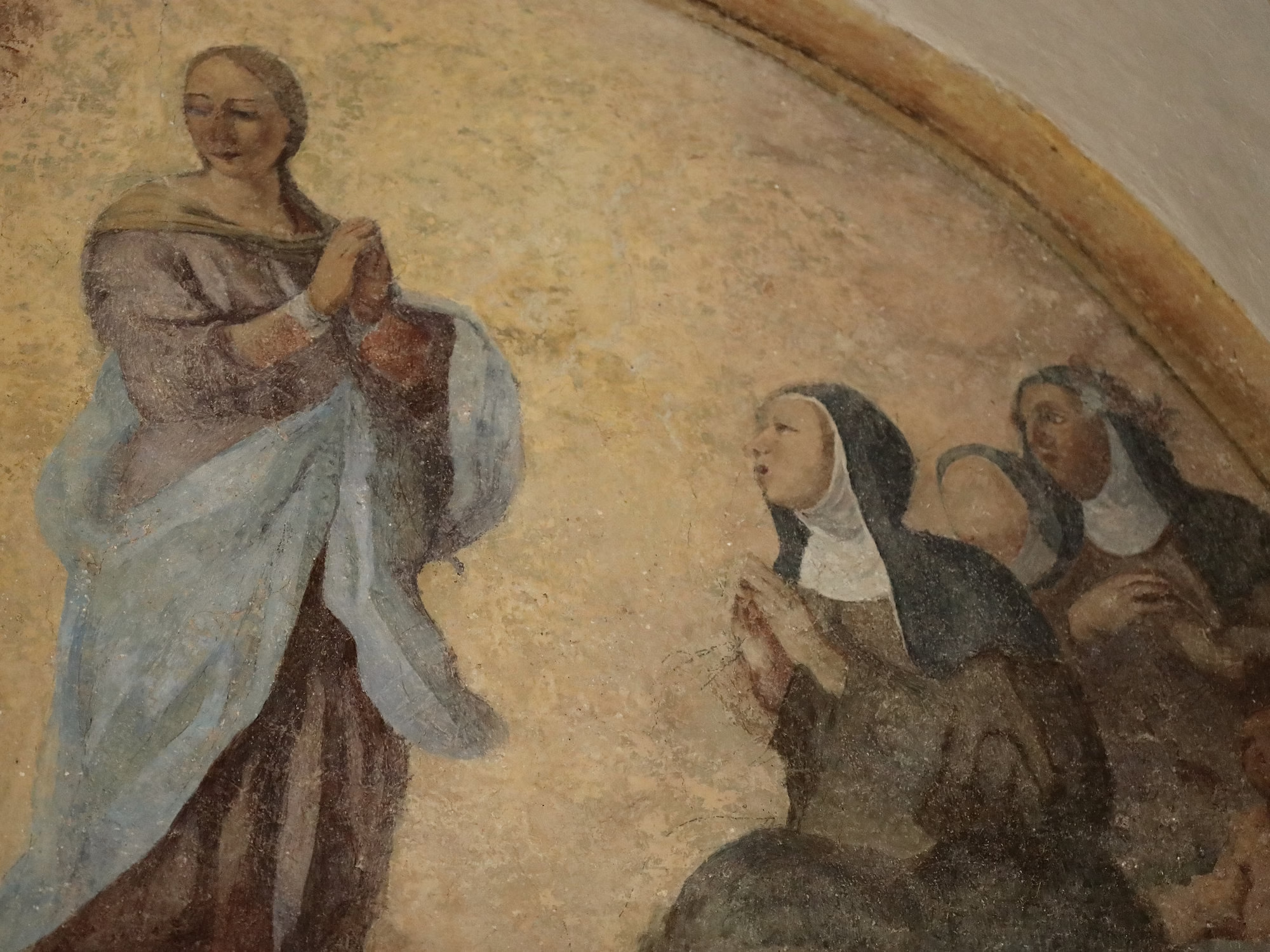
The presence of Franciscans in Puglia dates back to the 13th century when St. Francis of Assisi came here, leaving a strong impact. The chronicles of Tommaso da Celano and San Bonaventura remember his time here as the beginning of a spirituality destined to remain over time. In the 1500s, the Order established itself in the region and followed the Franciscan rules of poverty, prayer and contemplation. In 1604 the Franciscan convent was built next to the church in Grumo, a simple and harmonious two-storeyed building. On the lower floor, the cloister was the heart of community life, decorated with frescoes commissioned by devotees who left their names and coats of arms as a sign of devotion. In 1731 the painter Giuseppe Porta from Molfetta enhanced the building with new works: four ovals remain, depicting St. Catherine, a Franciscan saint, the Virgin and the Redeemer. On the upper floor, twenty-three small, bare cells were home to the monks. Lit only by narrow windows, they were places of silence and meditation, true to the order’s rules. Life in the monastery was sober and followed ancient rhythms.
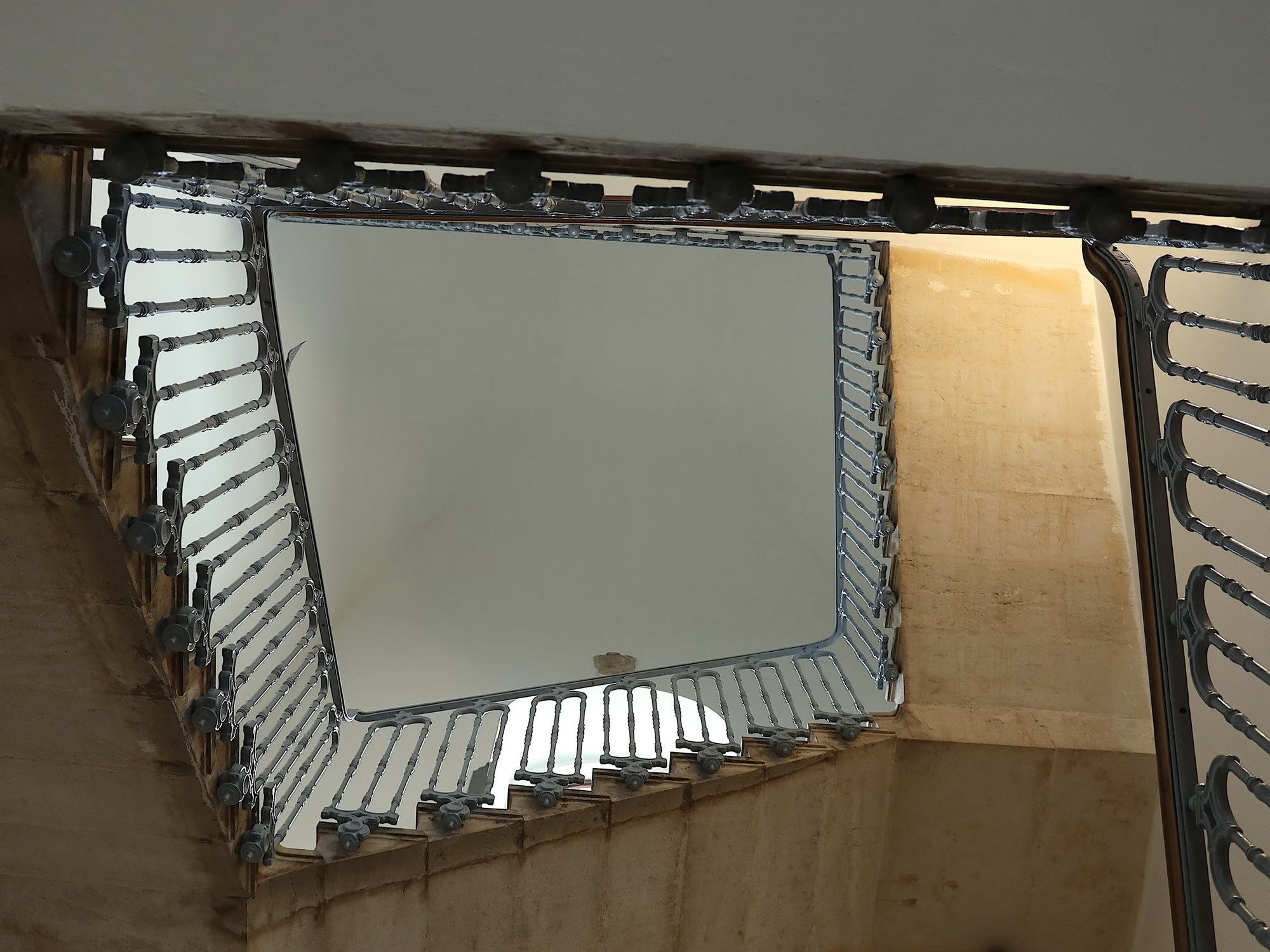
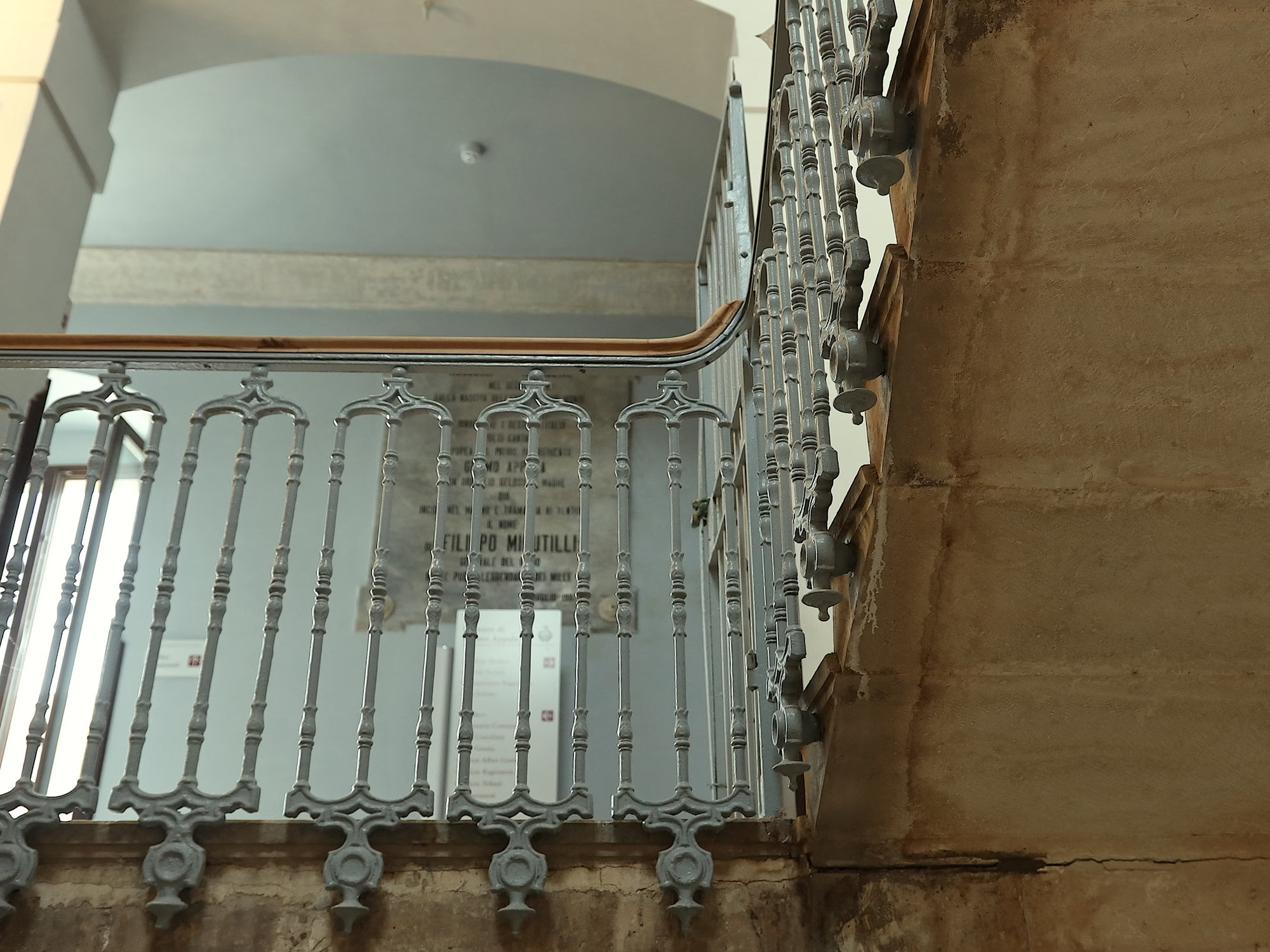
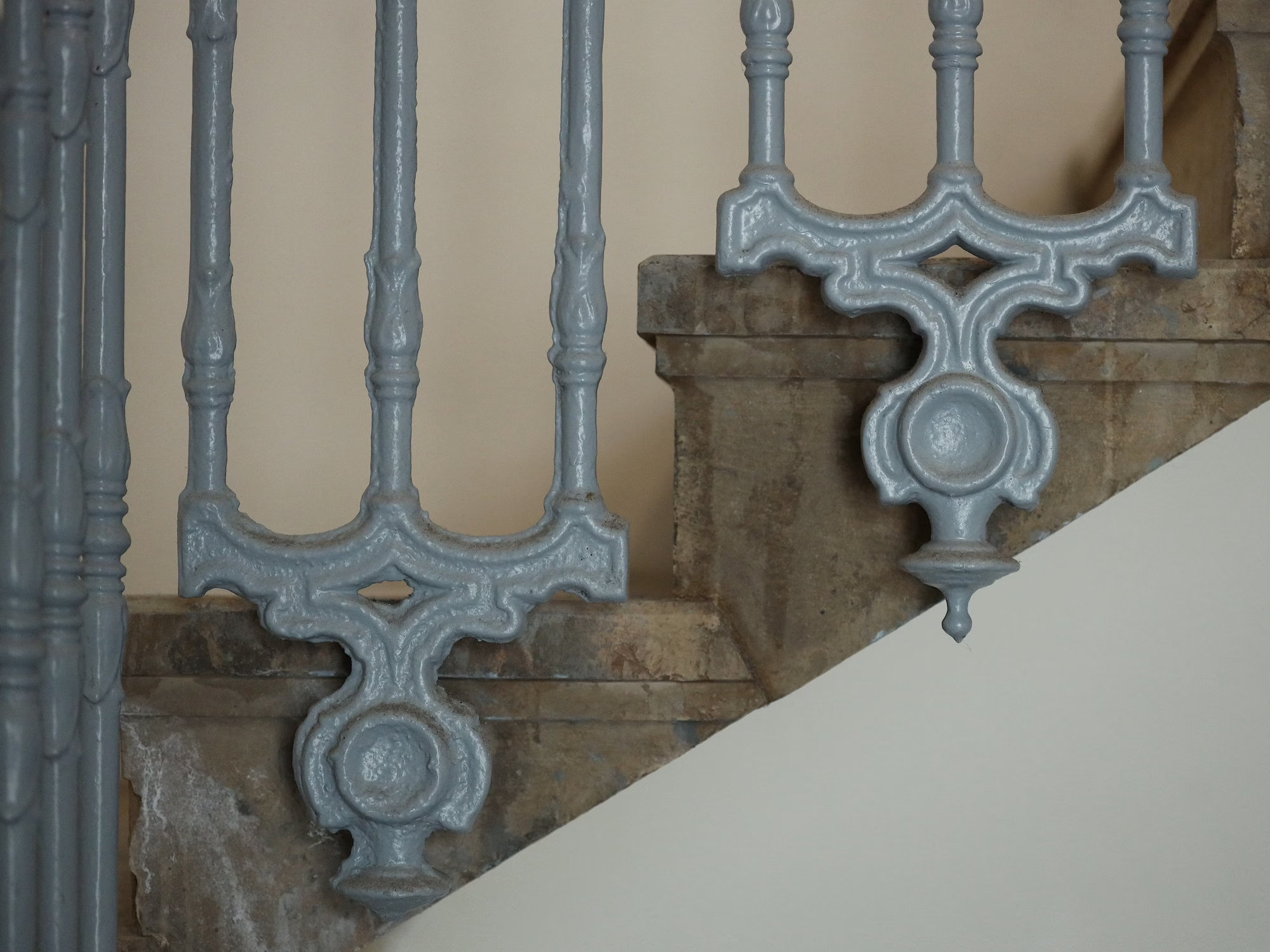
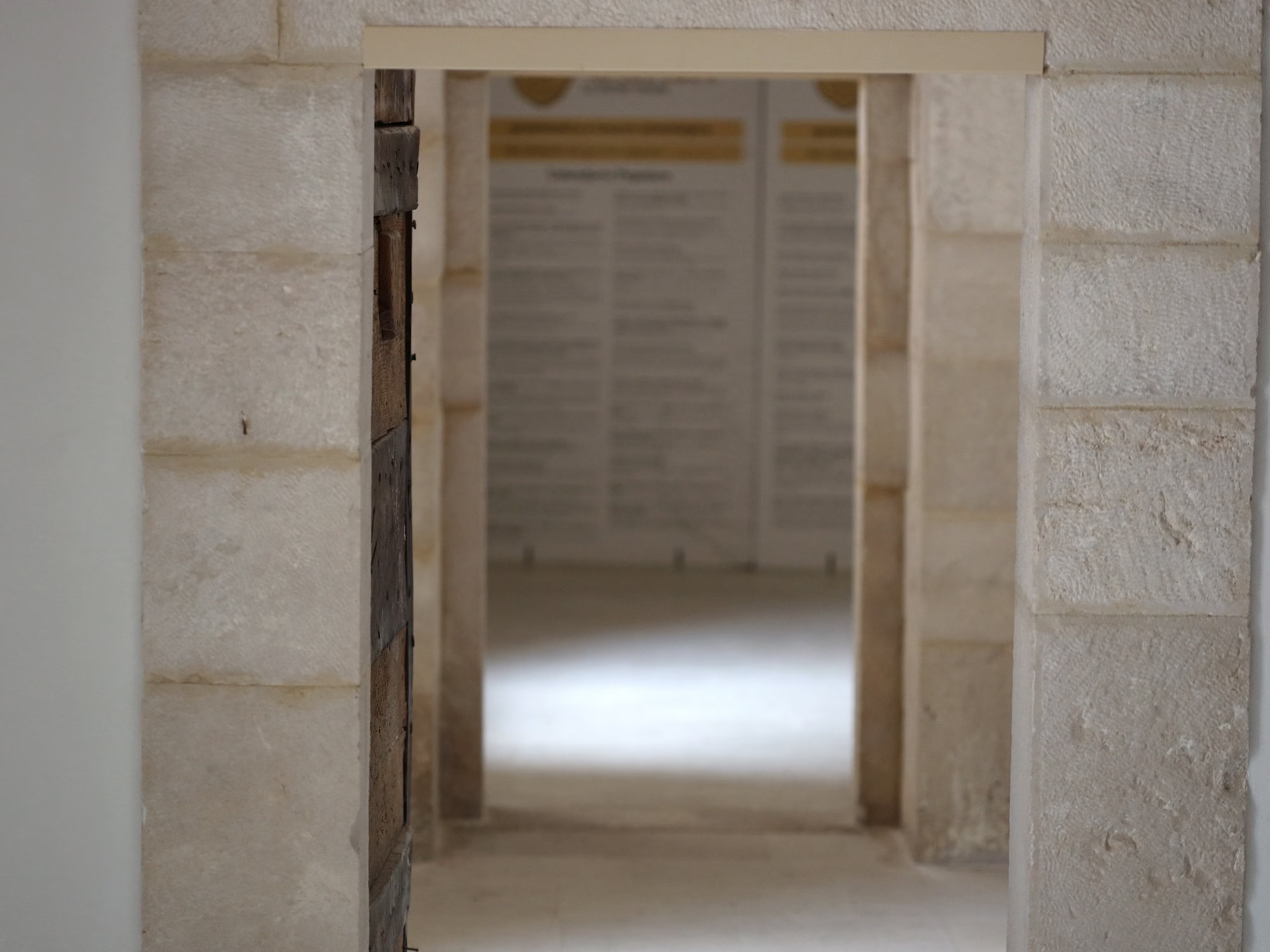
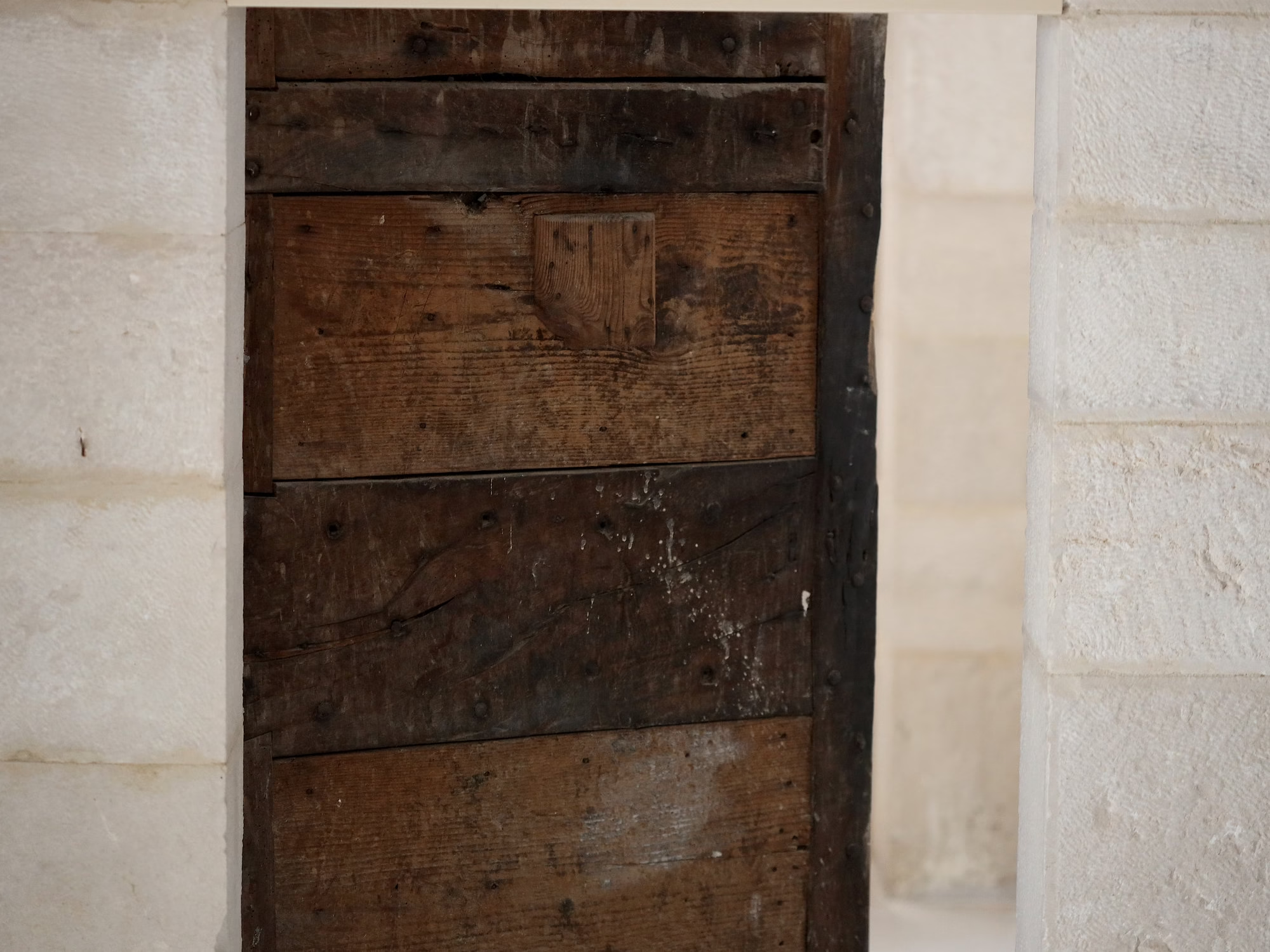
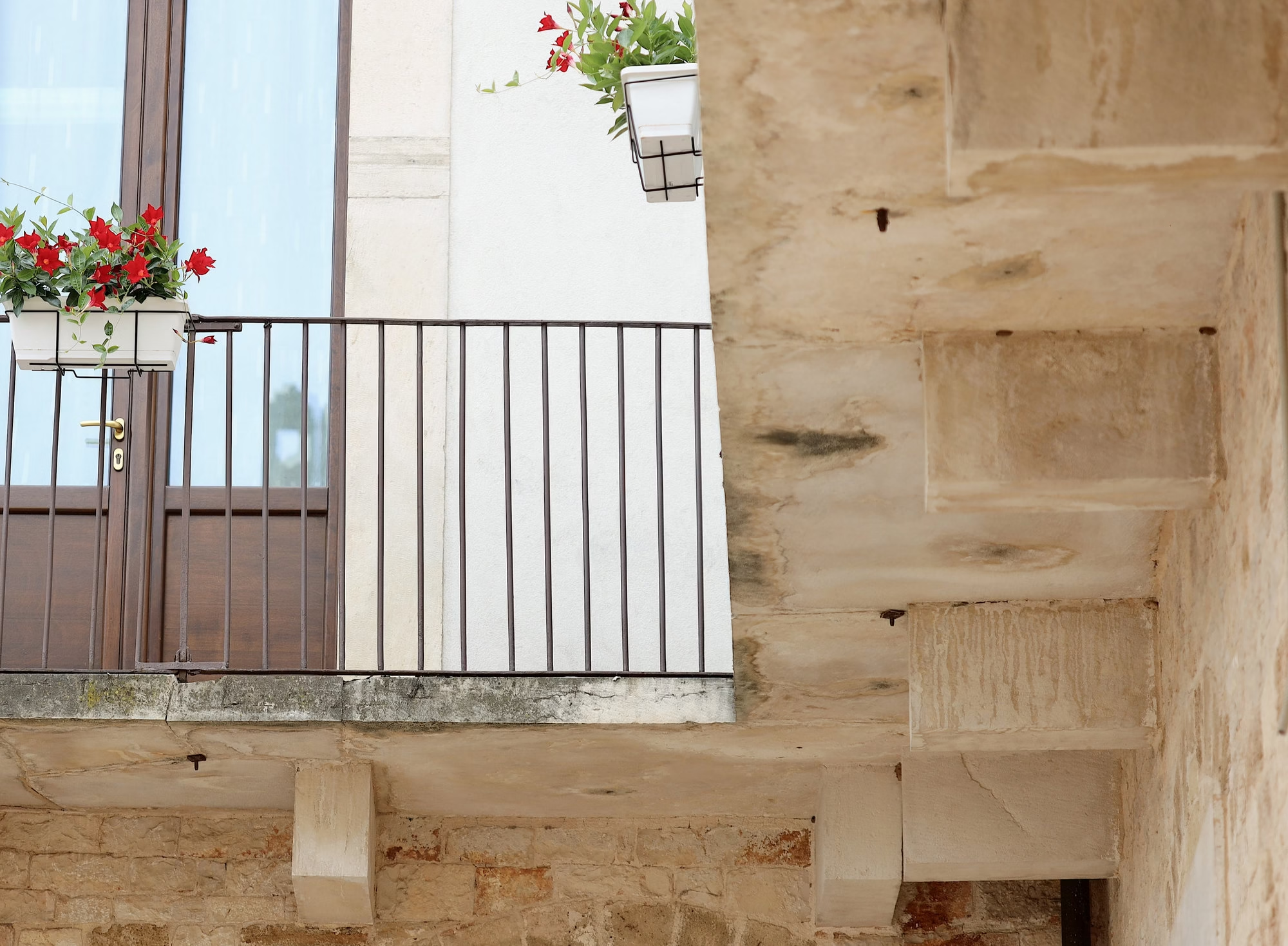
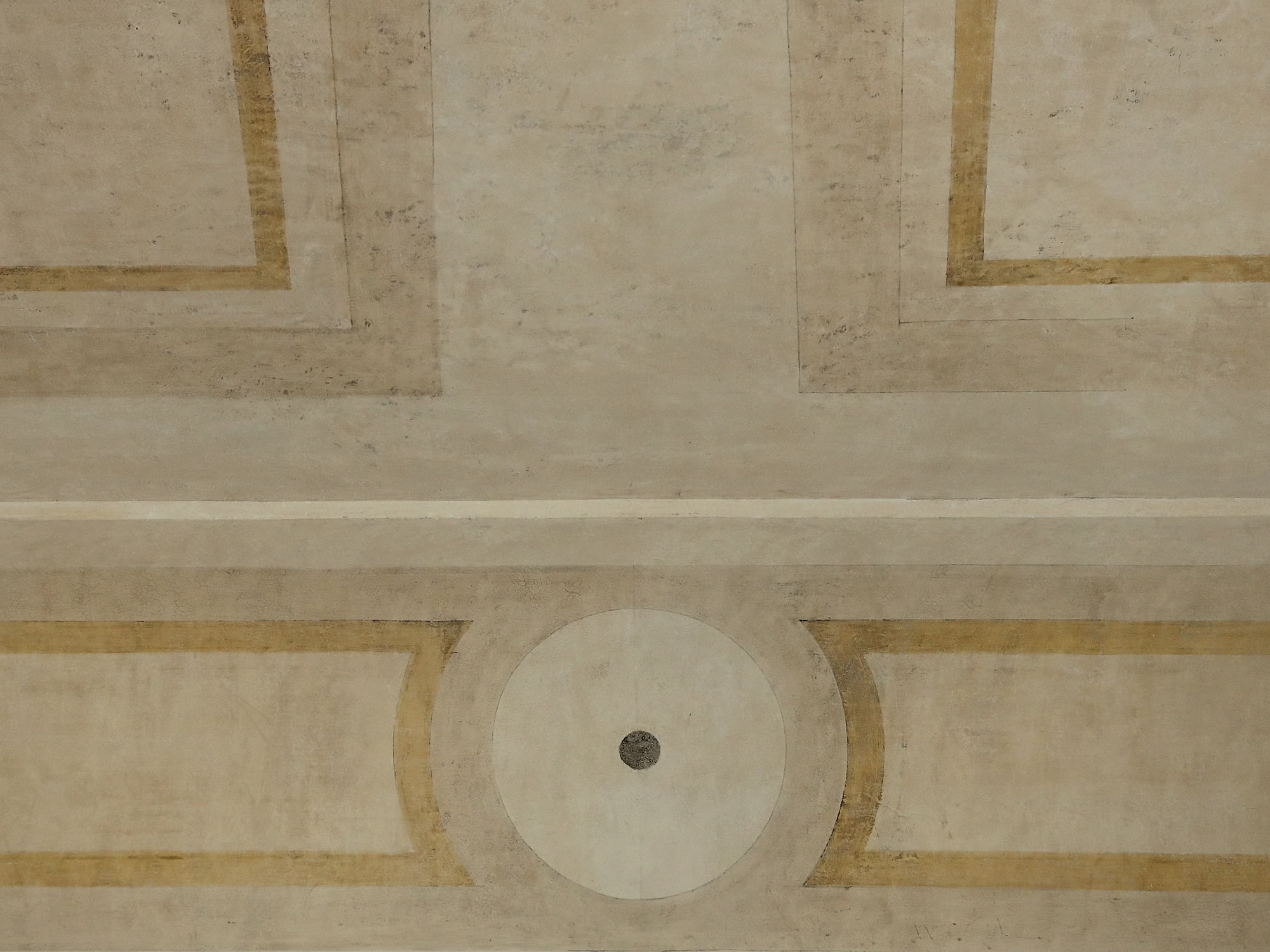
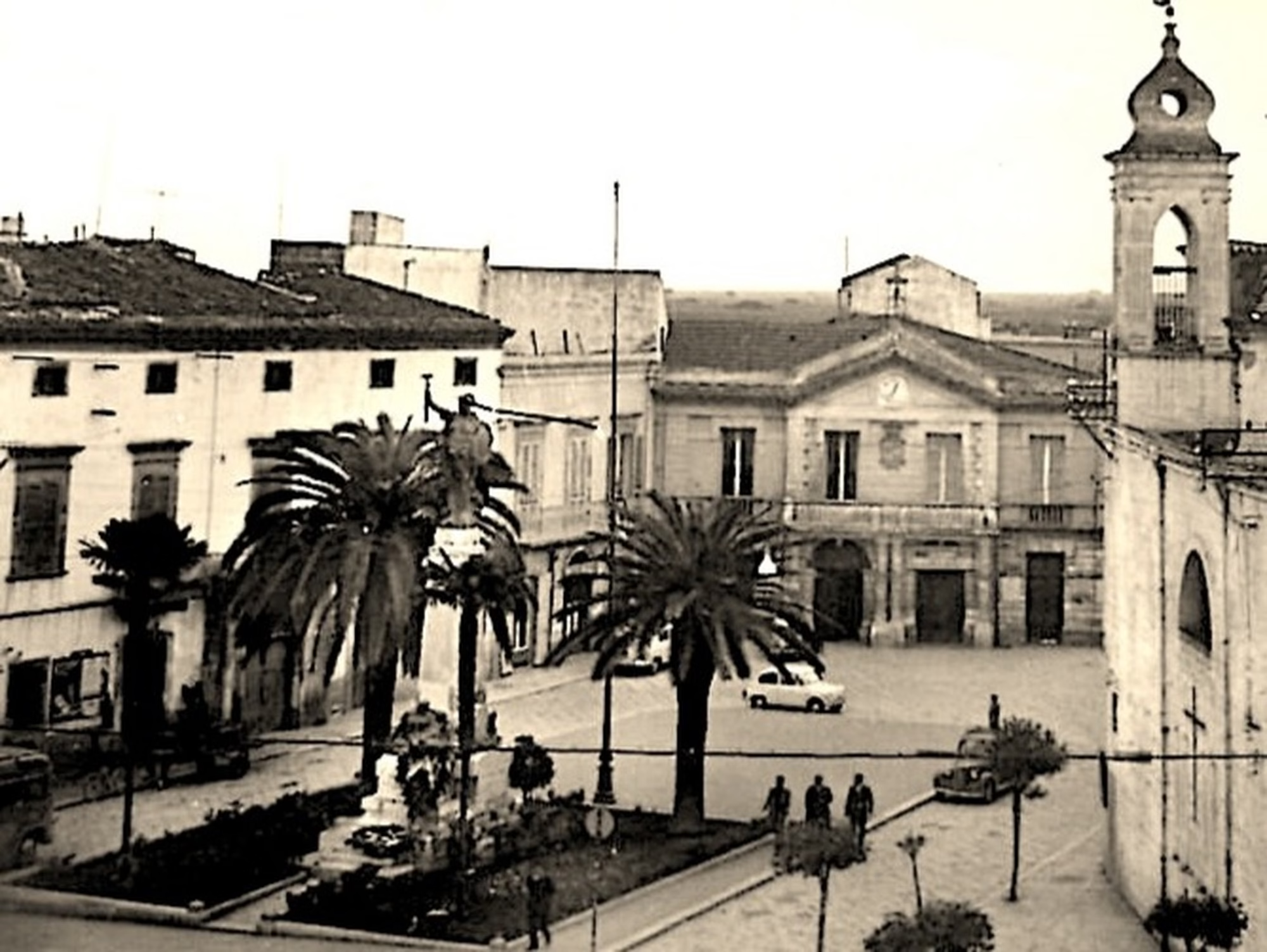
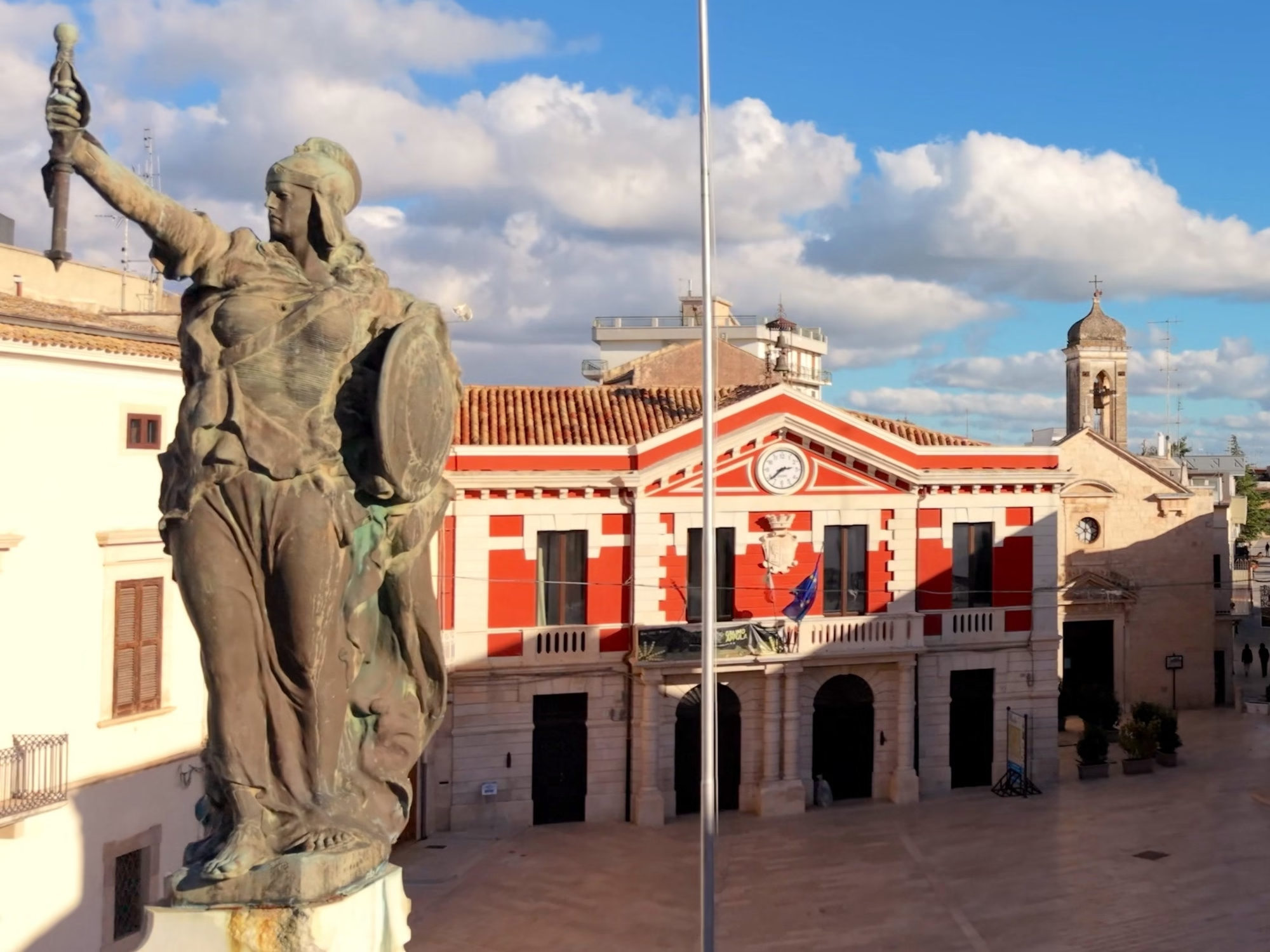
The community rose at dawn for prayers, after which each monk would dedicate himself to his daily tasks: tending the kitchen garden, studying sacred texts or welcoming pilgrims and travellers. Their frugal meals were taken in the refectory: bread, simple soups and seasonal vegetables, eaten while reading aloud from the scriptures. The cloister was the hub of communal life: here the monks would walk in silence, meditate or exchange a few words. At nightfall, the convent would once again become silent, and only the wind or the nocturnal birds could be heard. Poverty was not experienced as deprivation but as fullness; the monks found the joy of the Gospel in their basic lives. The Franciscan community remained active until 1862, when the laws of the new Kingdom of Italy ordered the suppression of monasteries. Three years later, the building was acquired by Grumo Town Council and at the end of the 1800s it was converted into municipal offices. It is as if you can still hear the brothers’ footsteps under the arches of the cloister, their quiet prayers and the silent bonds of the order.